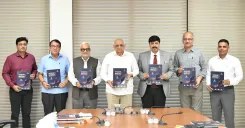
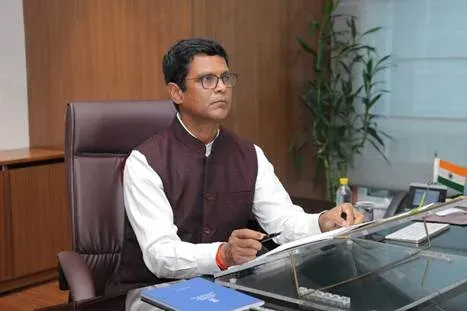
Keshav Chandra takes charge as Secretary, Ministry of Mines
Synopsis
A 1995-batch AGMUT cadre IAS officer now leads India's Ministry of Mines at a moment when critical mineral security — lithium, cobalt, rare earths — has become a national priority. Keshav Chandra's first act was a review meeting, signalling an intent to hit the ground running on block auctions and exploration reforms.
Key Takeaways
Keshav Chandra , a 1995-batch IAS officer of the AGMUT cadre , assumed charge as Secretary, Ministry of Mines on 27 July .
He chaired a review meeting with senior ministry officials on his first day in office.
Priority areas discussed include mineral exploration , mineral block auctions , and critical and strategic minerals .
Chandra called for coordinated efforts and timely execution of the ministry's flagship programmes.
The appointment comes as the Centre prioritises critical mineral security and domestic resource development to support India's industrial and clean energy goals.
Senior IAS officer Keshav Chandra on Monday, 27 July assumed charge as Secretary, Ministry of Mines, taking on the mandate to advance the Centre's agenda of strengthening India's mining and mineral sector. Chandra, a 1995-batch IAS officer of the AGMUT cadre, steps into the role at a critical juncture when the government is prioritising critical mineral security and accelerating exploration reforms.
First-Day Review Meeting
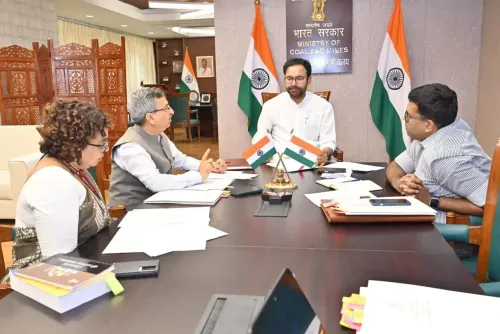
Shortly after taking charge, Chandra chaired a meeting with senior officials of the Ministry of Mines to assess the status of key programmes and ongoing activities. The session covered a broad range of priority areas central to the ministry's current agenda.
'Secretary Mines emphasised the importance of coordinated efforts and effective implementation of the Ministry's key initiatives to strengthen India's mineral sector,' the Ministry of Mines said in a statement.
Key Priorities on the Agenda
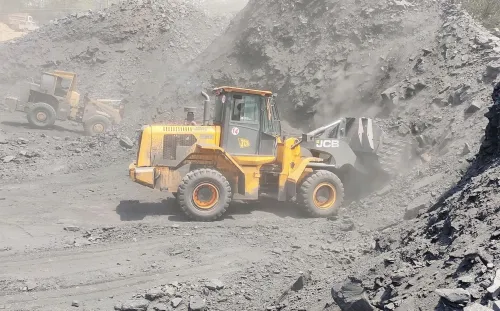
Officials briefed the new Secretary on several flagship initiatives, including mineral exploration, the auction and operationalisation of mineral blocks, and the development of critical and strategic minerals. These areas are central to India's long-term economic and industrial growth strategy.
The discussions also focused on accelerating resource development and enhancing mineral availability across the country. Chandra called for timely execution and closer collaboration among stakeholders to ensure effective delivery of the ministry's programmes.
Why This Appointment Matters
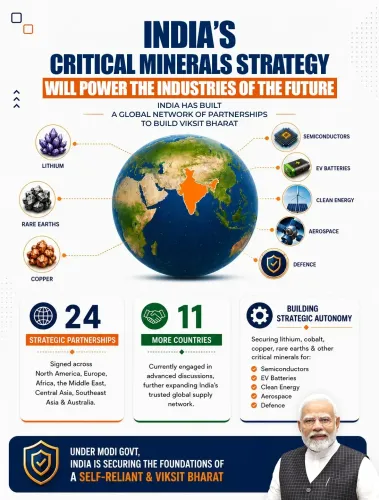
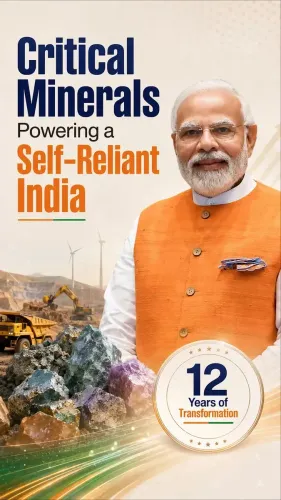
The appointment comes as the Centre intensifies efforts to unlock India's mineral potential and reduce dependence on imports of critical minerals such as lithium, cobalt, and rare earth elements — inputs vital for the country's clean energy transition and electronics manufacturing ambitions. The Ministry of Mines has been at the forefront of legislative and policy reforms, including amendments to the Mines and Minerals (Development and Regulation) Act, aimed at expediting block auctions and boosting domestic production.
Chandra's emphasis on coordinated policy execution signals continuity in this reform push, with the ministry expected to ramp up exploration activity and mineral block operationalisation in the months ahead.
What to Watch Next
With a new Secretary at the helm, stakeholders in the mining and minerals industry will be watching for any acceleration in block auction timelines, updates on the critical minerals mission, and progress on India's bilateral mineral security partnerships. The ministry's next set of policy signals is expected to emerge from its ongoing review cycles.
Point of View
But block auction timelines and exploration outcomes have consistently lagged targets. Whether a new Secretary can convert reform momentum into verifiable production gains is the real question. India's import dependence on lithium and cobalt remains a structural vulnerability, and no amount of policy signalling closes that gap without operational follow-through at the district and block level.
NationPress
27 Jul 2026
Frequently Asked Questions
Who is Keshav Chandra and what is his new role?
Keshav Chandra is a 1995-batch IAS officer of the AGMUT cadre who assumed charge as Secretary of the Ministry of Mines on 27 July. He is now responsible for steering India's mining and mineral sector policy, including mineral exploration and critical mineral development.
What were the key topics discussed in Chandra's first meeting?
On his first day, Chandra chaired a review meeting with senior Ministry of Mines officials covering mineral exploration, auction and operationalisation of mineral blocks, critical and strategic minerals, and other major programmes. He stressed the need for coordinated efforts and timely implementation.
Why is the Ministry of Mines appointment significant right now?
India is actively working to secure critical minerals such as lithium, cobalt, and rare earth elements essential for clean energy and electronics manufacturing. The new Secretary takes charge at a time when the government is accelerating block auctions, expanding exploration, and pursuing bilateral mineral security partnerships.
What is the AGMUT cadre in the IAS?
AGMUT stands for Arunachal Pradesh, Goa, Mizoram, and Union Territories — a joint cadre of the Indian Administrative Service that serves these states and Union Territories, including the National Capital Territory of Delhi.
What should the mining sector expect next under the new Secretary?
Stakeholders can expect continued focus on mineral block auction timelines, progress on India's critical minerals mission, and stronger inter-stakeholder collaboration. Chandra's emphasis on coordinated execution suggests the ministry will maintain its current reform trajectory with a push for faster on-ground delivery.