Labour Codes: CLC holds talks with NHAI on highway worker safety
Synopsis
The Labour Ministry is taking the new Labour Codes directly to NHAI's highway sites. It is pushing an on-the-spot contractor registration drive and immediate accident reporting under the OSH Code. It has also proposed a joint group to secure benefits for women and interstate migrant workers on linear projects.
Key Takeaways
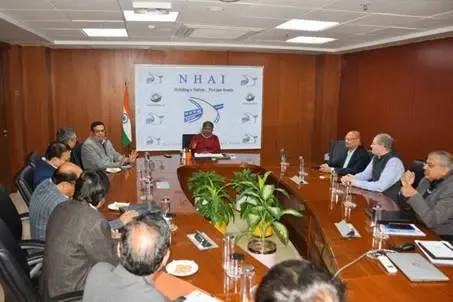
The Office of the Chief Labour Commissioner (Central) met senior NHAI officers in New Delhi on implementing the Labour Codes, 2020 , according to a statement issued on 28 November 2026 .
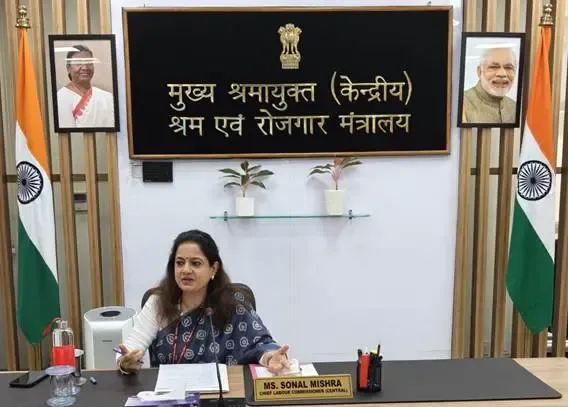
The meeting was chaired by Chief Labour Commissioner (Central) Sonal Mishra .
An on-the-spot registration and licensing drive for contractors and sub-contractors was discussed.
Officials stressed immediate accident reporting under Section 10 of the OSH Code, 2020 , and asked NHAI to share its safety SOPs.
A Joint Working Group with 2–4 NHAI Regional Offices was proposed to address benefits for women and interstate migrant workers.
The Office of the Chief Labour Commissioner (Central) under the Ministry of Labour & Employment has held a meeting with senior officers of the National Highways Authority of India (NHAI) in New Delhi on implementing the Labour Codes, 2020. The talks focused on contractor compliance, accident reporting and statutory benefits for workers at highway project sites, according to an official statement issued on Saturday, 28 November 2026.
The meeting was chaired by Chief Labour Commissioner (Central) Sonal Mishra. It is part of a wider effort to bring large public-sector employers and their contractor networks in line with the new labour framework.
Key Developments
According to the ministry's statement, the meeting was one of a series of one-to-one interactions with ministries, departments and central public sector entities. The stated aims are effective implementation of the Labour Codes, better compliance and stronger institutional coordination.
A central item on the agenda was an on-the-spot registration and licensing drive for contractors and sub-contractors. The drive is meant to help them meet their statutory obligations under the codes. Officials also stressed immediate reporting of accidents, as required under Section 10 of the Occupational Safety, Health and Working Conditions Code, 2020.
Focus on Highway Site Safety
The NHAI was asked to share its accident-related Standard Operating Procedures (SOPs) and best practices. This includes the measures it uses for mock drills and workplace safety.
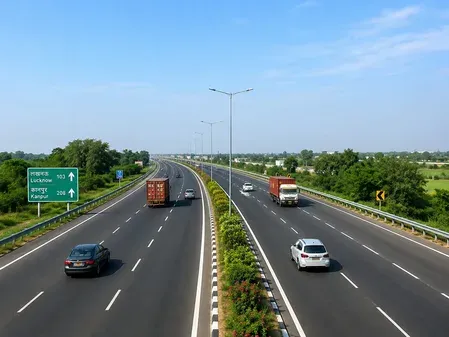
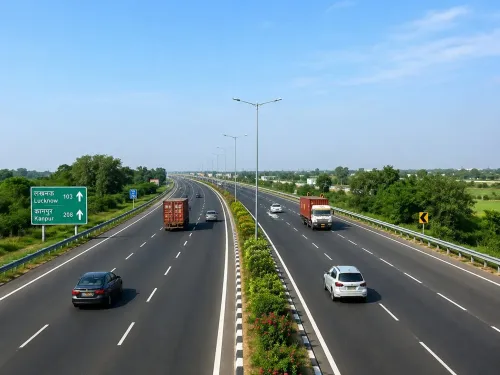
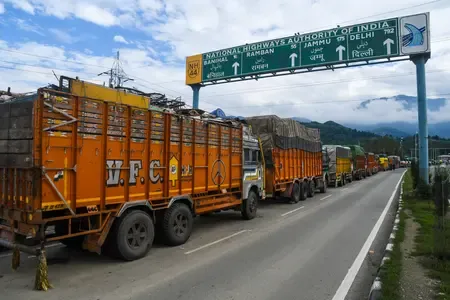
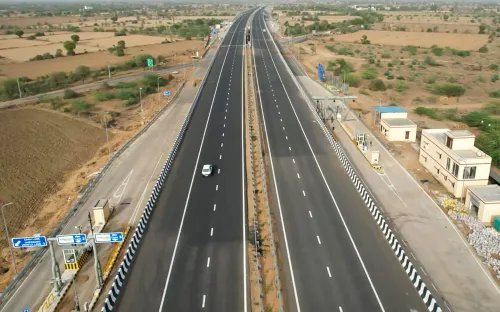
Highway construction depends on large contractor and sub-contractor chains spread across long project corridors. That structure has long made it hard to track and enforce safety, so reporting standards and documented SOPs are a practical starting point for compliance at such sites.
Joint Working Group for Women and Migrant Workers
The meeting also proposed a Joint Working Group. It would include representatives from 2–4 NHAI Regional Offices and the Office of the CLC(C).
The group would examine and resolve issues around statutory benefits for women workers and interstate migrant workers employed at linear project sites. These groups often work far from home on temporary contracts, which can make it difficult to access entitlements.
What the Labour Ministry Said
The Office of the CLC(C) gave a presentation covering:
- An overview of the Labour Codes and the provisions most relevant to the NHAI
- Essential labour compliance requirements
- Contract labour issues
- Registration and licensing norms
- The use of digital platforms
The organisation's role in supporting compliance and ease of doing business was also highlighted.
“The Office of CLC(C) is undertaking such structured interactions with concerned Ministries, Departments and organisations to promote awareness, facilitate compliance, strengthen digital enablement and ensure smooth and effective implementation of the four Labour Codes,” the statement noted.
What Happens Next
The four Labour Codes cover wages, industrial relations, social security, and occupational safety, health and working conditions. They replace a patchwork of older central labour laws, and the Centre is now working department by department to get large employers to comply.
The NHAI meeting is significant because public infrastructure projects employ a large contract workforce. Whether the proposed registration drive and working group move from proposal to practice will be the next indicator to watch.
Point of View
Where Indian labour law has historically broken down. Highway projects are a stress test: long corridors, layered subcontracting and migrant workforces make accident reporting and benefit delivery hard to enforce. A proposed working group and a registration drive are useful first steps, but they are only proposals. Accountability will depend on whether NHAI publishes measurable compliance and accident data, not just SOPs shared in a meeting room.
NationPress
28 Nov 2026
Frequently Asked Questions
Why did the Chief Labour Commissioner meet NHAI officials?
The meeting was held to discuss effective implementation of the Labour Codes, 2020, at NHAI projects and to strengthen coordination and stakeholder consultation. It is part of a series of one-to-one interactions with ministries, departments and central public sector entities.
What is Section 10 of the OSH Code, 2020?
Section 10 of the Occupational Safety, Health and Working Conditions Code, 2020, deals with reporting of workplace accidents. At the meeting, officials stressed immediate accident reporting in line with this provision.
What is the proposed Joint Working Group between NHAI and the CLC(C)?
It is a proposed group of representatives from 2–4 NHAI Regional Offices and the Office of the CLC(C). It would examine and resolve issues relating to statutory benefits for women workers and interstate migrant workers at linear project sites.
Who chaired the Labour Codes meeting with NHAI?
The meeting was chaired by Chief Labour Commissioner (Central) Sonal Mishra, under the Ministry of Labour & Employment.
What are the four Labour Codes?
The four Labour Codes cover wages, industrial relations, social security, and occupational safety, health and working conditions. The Office of the CLC(C) is holding structured interactions with ministries and organisations to ensure they are implemented smoothly.