NHAI directs highway wayside amenities to fast-track vehicle repair facilities
Synopsis
NHAI's logistics arm NHLML has directed field offices to push highway wayside amenity operators to urgently set up vehicle repair and puncture repair shops — a tacit acknowledgement that India's fast-expanding highway network has outpaced its roadside assistance infrastructure, leaving motorists and freight operators stranded during breakdowns.
Key Takeaways
NHLML , a wholly owned subsidiary of NHAI , on 22 June directed field offices to advise WSA lessees to prioritise vehicle repair and puncture repair facilities.
Several National Highways and Expressways currently lack adequate roadside repair services, according to officials.
Existing PPP lease agreements already permit repair shops at wayside amenities — the directive pushes lessees to activate these provisions.
The move aims to reduce vehicle downtime, improve travel safety, and support freight logistics operations.
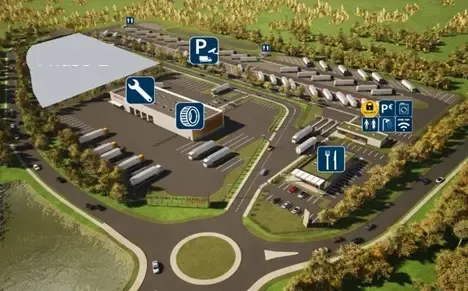
Wayside Amenities are being developed as integrated service hubs for both commuters and commercial vehicle operators.
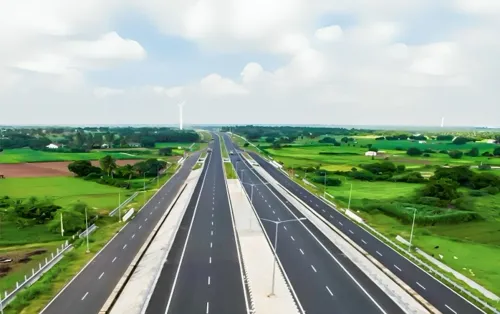
National Highways Logistics Management Limited (NHLML), a wholly owned subsidiary of the National Highways Authority of India (NHAI), on Monday, 22 June directed its field offices to advise Wayside Amenity (WSA) lessees to prioritise setting up vehicle repair shops and puncture repair facilities at the earliest. The directive targets gaps in roadside assistance across India's expanding national highway and expressway network.
Why the Directive Was Issued
According to officials, several National Highways and Expressways currently lack adequate vehicle repair and puncture repair services. The Ministry of Road Transport and Highways noted that the shortfall leaves motorists and freight operators vulnerable during breakdowns and emergencies, causing delays, inconvenience, and potential safety risks.
'It has been observed that a larger number of vehicle and puncture repair services are required on several National Highways and Expressways, that will enable highway users in availing timely mechanical assistance during breakdowns and emergencies, avoiding inconvenience, delays, and potential safety concerns,' the Ministry said in a statement.
How Wayside Amenities Are Being Developed
NHLML is building a nationwide network of modern Wayside Amenities under the Public-Private Partnership (PPP) model on a long-term lease basis. Existing lease agreements with concessionaires and lessees already permit the development of additional facilities — including vehicle repair shops and puncture repair services — alongside mandatory amenities. The new directive effectively pushes lessees to activate these permitted but underutilised provisions.
These Wayside Amenities are envisioned as integrated service hubs catering to both commuters and commercial vehicle operators travelling on national highways and expressways. Notably, the commercial freight segment stands to benefit significantly, given that unplanned vehicle downtime directly translates into logistics cost overruns.
Broader Impact on Highway Users and Logistics
The availability of repair facilities at regular intervals along highways is expected to reduce vehicle downtime, enhance travel safety, and support the movement of goods across the country. Officials believe expanding such services will strengthen the overall roadside assistance ecosystem and contribute to seamless freight mobility.
This initiative forms part of NHAI's wider push to develop user-centric, safe highway corridors that also support economic and logistics activity. The authority has been scaling up amenities infrastructure in tandem with the rapid expansion of the national highway network in recent years.
What Comes Next
Field offices are expected to engage with WSA lessees promptly following the directive. The speed of implementation will depend on individual lessees activating repair facility provisions already embedded in their lease agreements. Closer monitoring of compliance at the field level is anticipated as NHLML looks to close the service gap on high-traffic corridors.
Point of View
But the gap between what lease agreements permit and what lessees actually deliver has clearly widened. The real question is enforcement — NHLML's field offices have issued advisories before, and without binding timelines or penalty clauses for non-compliance, this risks remaining aspirational. For freight operators, who absorb the highest cost from unplanned breakdowns, the pace of implementation matters far more than the directive itself.
NationPress
21 Sept 2026
Frequently Asked Questions
What has NHAI directed regarding highway wayside amenities?
NHAI's subsidiary NHLML has directed its field offices to advise Wayside Amenity lessees to prioritise setting up vehicle repair shops and puncture repair facilities at the earliest. The directive is aimed at addressing a shortage of roadside repair services on several national highways and expressways.
What are Wayside Amenities on national highways?
Wayside Amenities are integrated service hubs being developed by NHLML under the PPP model on a long-term lease basis along national highways and expressways. They are designed to serve the needs of both commuters and commercial vehicle operators, offering facilities such as fuel stations, food courts, rest areas, and — now prioritised — vehicle repair services.
Why are vehicle repair facilities being prioritised at highway stops?
Officials have observed that several national highways and expressways lack sufficient vehicle repair and puncture repair services. The absence of these facilities leads to longer vehicle downtime, delays, and safety risks for motorists and freight operators during breakdowns and emergencies.
Do existing lease agreements already allow repair shops at wayside amenities?
Yes. Existing lease agreements between NHLML and its concessionaires and lessees already permit the development of vehicle repair shops and puncture repair services alongside mandatory amenities. The new directive pushes lessees to activate these provisions, which have reportedly been underutilised.
Who benefits most from this NHAI initiative?
Both passenger vehicle users and commercial freight operators stand to benefit. Freight operators in particular face direct financial losses from unplanned vehicle downtime, making accessible repair facilities along highways a significant operational advantage.