How is NHAI Collaborating with DoT and TRAI to Enhance Mobile Connectivity on 424 National Highway Locations?
Synopsis
The NHAI is actively engaging with the DoT and TRAI to address mobile connectivity issues across 424 locations on National Highways. This initiative aims to improve public safety and enhance emergency response mechanisms, ensuring a more connected and safer travel experience.
Key Takeaways
NHAI has identified 424 locations needing better mobile connectivity.
Collaboration with DoT and TRAI is underway to address these issues.
Improved connectivity aims to enhance public safety and emergency response.
Proactive alerts will be sent to inform road users of hazards.
This initiative underscores the need for a digitally equipped National Highway network.
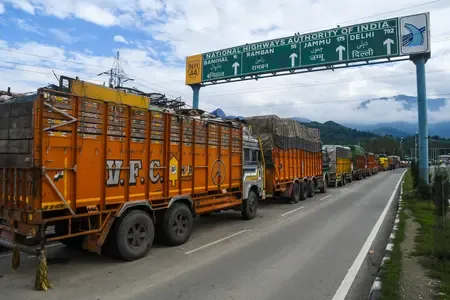
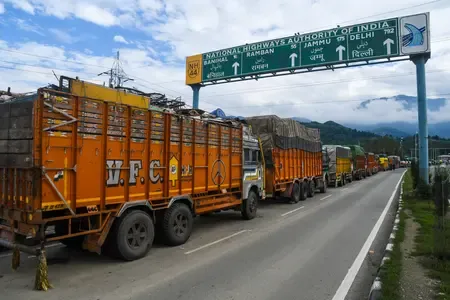
New Delhi, Jan 6 (NationPress) The National Highway Authority of India (NHAI) announced on Tuesday its request for the involvement of the Department of Telecommunications (DoT) and the Telecom Regulatory Authority of India (TRAI) to provide essential directives to Telecom Service Providers (TSPs) for tackling the lack of mobile network connectivity on various sections of the National Highways.
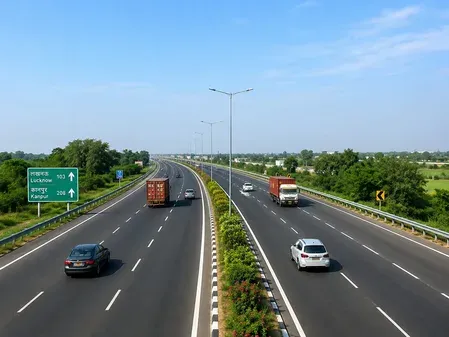
In a thorough evaluation conducted by NHAI, 424 locations spanning approximately 1,750 km across the National Highway network have been pinpointed as critically affected due to insufficient mobile network connectivity.
“A detailed report on these locations has been compiled and shared with the Department of Telecommunications and TRAI for necessary action,” stated NHAI.
Highlighting the implications for public safety and the strategic importance of the National Highway network, NHAI has emphasized the need for a swift and coordinated effort to enhance mobile network connectivity along the National Highway corridors nationwide.
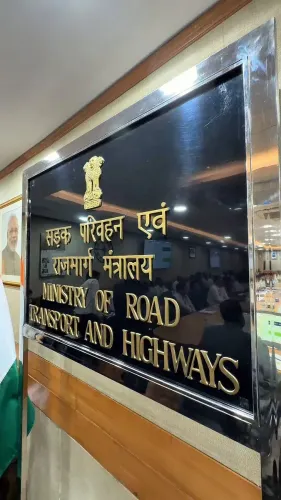
“As the National Highway corridors pass through remote and rural regions, the lack of reliable mobile network coverage in these areas adversely affects National Highway operations, emergency response systems, and the provision of technology-driven public services,” noted the Ministry of Road Transport and Highways.
Additionally, NHAI has requested TRAI to direct telecom operators to send proactive SMS or Flash SMS alerts to geo-mapped accident-prone areas, which include stretches affected by stray cattle and other identified dangers.
The ministry further stated that these alerts aim to inform road users before they reach such locations, facilitating timely warnings and promoting safer driving practices.
A compilation of accident-prone stretches frequently affected by stray cattle has also been submitted to TRAI.
“By seeking intervention to close mobile network connectivity gaps and improve safety along National Highways, NHAI reiterates its commitment to collaborating closely with all relevant stakeholders, ensuring that the National Highway network is not only physically well-connected but also digitally equipped,” according to an official statement.
Point of View
It is essential to recognize the NHAI's proactive stance in addressing mobile connectivity gaps. This initiative reflects a commitment to enhancing public safety and ensuring that the National Highway network is equipped for modern challenges. The collaboration with DoT and TRAI is crucial for fostering a digitally enabled infrastructure that meets the needs of road users across the nation. We stand with the NHAI in advocating for safer highways.
NationPress
30 Sept 2026
Frequently Asked Questions
What is the main goal of NHAI's collaboration with DoT and TRAI?
The primary goal is to enhance mobile connectivity across 424 identified locations on National Highways to improve public safety and emergency response.
How many locations are affected by mobile connectivity issues?
A total of 424 locations covering approximately 1,750 km of the National Highway network have been identified as critically affected.
What kind of alerts will be issued to road users?
Proactive SMS or Flash SMS alerts will be sent to inform road users about geo-mapped accident-prone locations and other hazards.
What is the significance of this initiative?
This initiative aims to ensure safer driving behavior, better emergency response, and improved technology-enabled public services.
How can the public benefit from improved mobile connectivity on highways?
Enhanced mobile connectivity will facilitate timely communication during emergencies, improve navigation services, and provide access to technology-driven public services.