PM Modi vows to fulfil promise to Nari Shakti
Synopsis
PM Modi said a promise made to Nari Shakti still stands. The 28 November 2026 post did not name a new scheme, but it restated a welfare line that runs from the 2014 manifesto through Beti Bachao Beti Padhao and Ujjwala.
Key Takeaways
Prime Minister Narendra Modi on 28 November 2026 said a promise to Nari Shakti remains to be fulfilled.
The post did not name the specific promise or a new scheme.
Nari Shakti is the government's label for women's empowerment in policy.
Beti Bachao Beti Padhao was launched in 2015; Pradhan Mantri Ujjwala Yojana in 2016.
The 2014 BJP manifesto listed women's safety, education and economic empowerment.
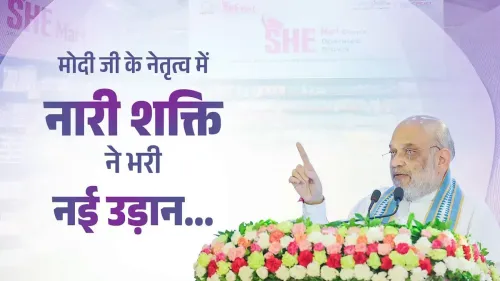
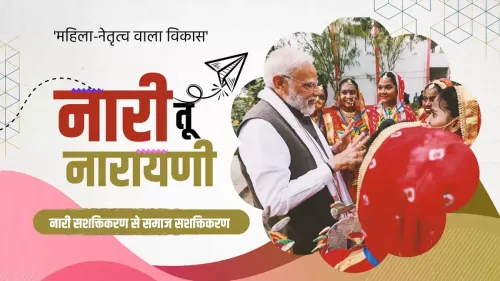
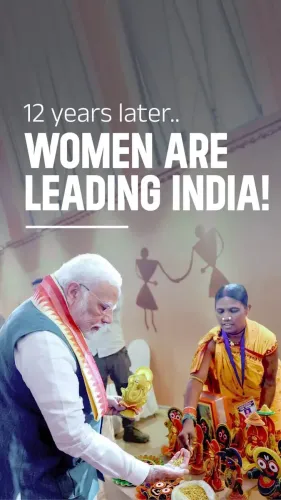
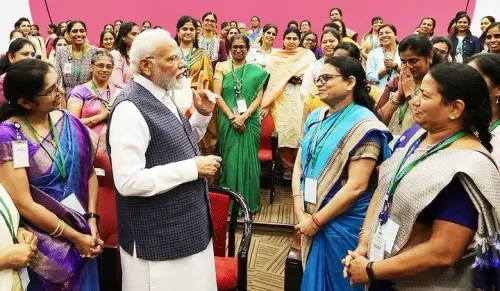
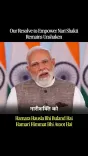
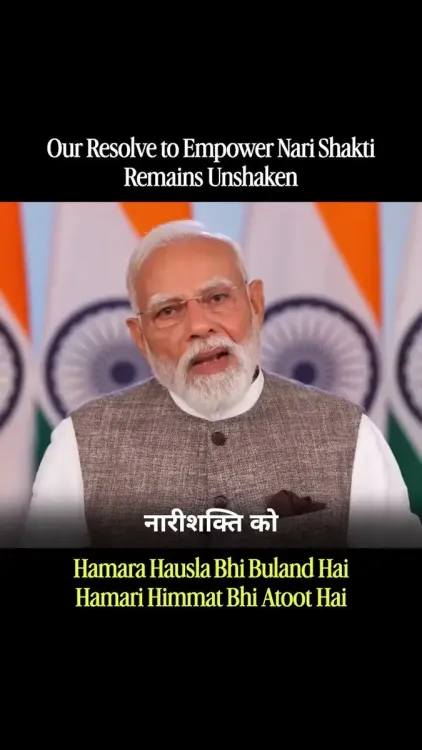
Prime Minister Narendra Modi on Saturday put a familiar phrase back at the centre of the welfare debate, saying a promise made to India's Nari Shakti has not been retired. In a message on 28 November 2026 from New Delhi, he said the government remains committed to fulfilling it, attaching a video to a line that stops short of naming a new scheme.
The exact words were: 'We had made a promise to our Nari Shakti and we remain committed to fulfilling it...'
The specific pledge was not named in the text. What the line does is reopen a political claim that has run through the Bharatiya Janata Party years in office: that women's safety, education and economic power sit inside the core of social policy, not at its edge.
How Nari Shakti entered the policy vocabulary
Nari Shakti is the label Prime Minister Modi and the BJP have used for women's strength and for a cluster of programmes aimed at closing gender gaps. It is slogan and filing cabinet at once — a way to group kitchens, classrooms and bank accounts under one political roof.
The 2014 BJP manifesto listed women's safety, education and economic empowerment among its commitments. That framing later showed up in named schemes rather than in a single statute.
Ujjwala cylinders and Beti Bachao classrooms
In 2015, the government launched Beti Bachao Beti Padhao to improve the child sex ratio and push girls' schooling. A year later, in 2016, Pradhan Mantri Ujjwala Yojana began supplying clean cooking fuel to women in below-poverty-line households — a design that put the LPG connection in a woman's name.
Those two programmes became the most cited exhibits in the Nari Shakti story: one aimed at the girl child, the other at the woman running a household kitchen. Indian governments of several stripes have run women-focused welfare; this administration has repeatedly packaged that work as inclusive development under the Nari Shakti banner.
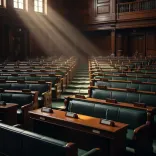
Whether Saturday's line points to a fresh scheme, a budget line or a legislative follow-up is not stated in the post. Parliamentary sessions and policy events are the usual stages where such commitments either thicken into numbers or stay as language.
The promise is back on the record. Delivery, not the slogan, will decide if Nari Shakti remains a file that still moves.
Point of View
Folding safety, education and energy access into one political story. Saturday's post keeps that story open without attaching a new instrument, number or deadline. Manifesto language from 2014 already produced Beti Bachao Beti Padhao in 2015 and Ujjwala in 2016, so the public test is whether the next cycle of budgets and bills follows. Watch the next parliamentary session and any women-focused allocations, not the slogan itself.
NationPress
28 Nov 2026
Frequently Asked Questions
What did PM Modi say about Nari Shakti on 28 November 2026?
Prime Minister Narendra Modi said the government had made a promise to Nari Shakti and remains committed to fulfilling it. He posted the message on 28 November 2026 with a video. The text did not name a specific new scheme.
What does Nari Shakti mean in this context?
Nari Shakti is the term Prime Minister Narendra Modi and the BJP use for women's empowerment and strength. It groups policies on safety, education and economic power under one political phrase.
Which schemes are linked to the Nari Shakti agenda?
Two flagship examples are Beti Bachao Beti Padhao, launched in 2015, and Pradhan Mantri Ujjwala Yojana, launched in 2016. The first targets the child sex ratio and girls' education; the second provides clean cooking fuel to women in below-poverty-line households.
When did these women-focused commitments start?
The BJP's 2014 election manifesto included commitments on women's safety, education and economic empowerment. Named schemes followed in 2015 and 2016.
Did the 28 November 2026 post announce a new scheme?
No. The post restated a commitment but did not identify a new programme, budget figure or law. Further detail would have to come in a later policy event or parliamentary session.