Maharashtra FDA bans loose spice sales, mandates sealed packaging to fight adulteration
Synopsis
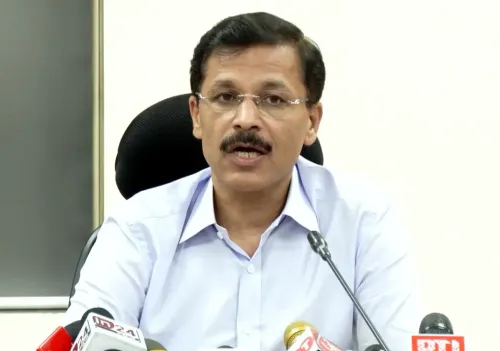
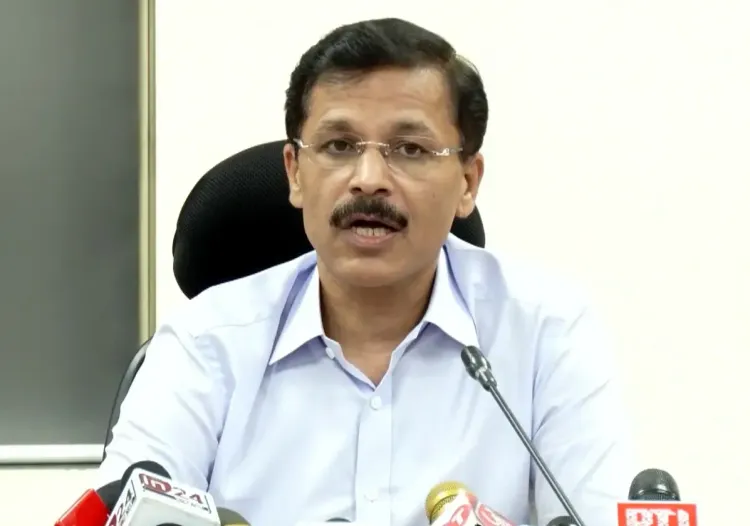
Maharashtra's FDA has banned loose spice sales across the state — an order that reaches from small-town grinders to five-star hotel kitchens and e-commerce platforms. Food Safety Commissioner Tukaram Mundhe's directive mandates sealed packaging, FSSAI licensing, verified labelling and hygiene standards, marking the most sweeping state-level spice regulation in recent memory.
Key Takeaways
Maharashtra FDA banned the sale of all loose and unpackaged spice powders and blended spices on 15 October 2026 .
The order was issued by Food Safety Commissioner Tukaram Mundhe under the Food Safety and Standards Act, 2006 .
Affected products include turmeric, chilli, coriander, cumin, black pepper, garam masala and other mixed spices.
The directive covers manufacturers, wholesalers, retailers, e-commerce platforms, hotels, restaurants and institutional kitchens .
A valid FSSAI licence or registration is now mandatory for spice manufacturing or grinding — a trade licence alone is insufficient.
Businesses must implement employee hygiene checks, food-handler training and a formal Food Safety Management System .
The Maharashtra Food and Drug Administration (FDA) on Thursday, 15 October 2026, banned the sale of loose and unpackaged spice powders and blended spices across Maharashtra, introducing sweeping new rules on packaging, labelling, hygiene and quality control in a state-wide crackdown on food adulteration. The order, issued by Food Safety Commissioner Tukaram Mundhe, directs all players in the spice supply chain to comply with the Food Safety and Standards Act, 2006 and its associated regulations.
What the Order Covers
The ban spans a wide range of commonly used spices — including turmeric, chilli, coriander, cumin, black pepper, cinnamon, cardamom, cloves, asafoetida, saffron, garam masala and other blended spice mixes. It applies not only to manufacturers and wholesalers but also to retailers, traders, e-commerce platforms, hotels, restaurants, caterers and institutional kitchens.
Under the new directive, all spice powders and blended spices must be packed and sealed at the point of manufacture before distribution or sale — closing a long-standing loophole through which loose, untraceable spices entered retail and food-service channels.
Stricter Labelling and Licensing Rules
Packaged spices must now clearly display the product name, full ingredient list, manufacturer's contact information, FSSAI licence number, batch number, manufacturing or packing date, and a use-by or best-before date, along with all other mandatory declarations under food safety law.
The FDA has also barred businesses from making unsubstantiated claims about purity, organic composition, natural ingredients or health benefits. Separately, the order specifies that a trade licence alone is insufficient for spice manufacturing or grinding — a valid Food Safety and Standards Authority of India (FSSAI) licence or registration is now mandatory for those activities.
Hygiene and Workforce Standards
The order extends beyond packaging: food businesses are now required to enforce employee hygiene protocols, conduct regular medical fitness checks for food handlers, provide food-safety training, and implement a formal Food Safety Management System at relevant facilities. The FDA said these measures are designed to improve traceability and reduce contamination risks across the entire supply chain.
Why This Matters
Adulteration in loose spices — from artificial colours in chilli powder to sawdust in mixed masalas — has been a recurring food-safety concern in India. This is the most comprehensive state-level spice regulation in recent years and comes against a backdrop of heightened national scrutiny after FSSAI tightened quality norms for packaged spice brands earlier in 2026. Maharashtra's action could set a precedent for other states. Notably, the directive's scope over e-commerce platforms signals that online grocery channels are now firmly within the regulatory net.
What Happens Next
Businesses across the supply chain — from small-town spice grinders to large food-service operators — will need to audit their sourcing and packaging practices to avoid penalties. Industry bodies and traders are expected to seek clarification on transition timelines, and enforcement is likely to begin with inspections at wholesale markets and institutional buyers.
Point of View
Not just a street-vendor one. The inclusion of unsubstantiated 'organic' and 'natural' claims as a prohibited practice is significant: it puts the wellness-branded spice segment on notice. The critical question now is enforcement. Maharashtra has issued strong food-safety directives before; the gap between gazette orders and ground-level inspections has historically been wide. Whether this becomes transformative regulation or another paper directive depends entirely on how swiftly and consistently the FDA deploys its inspection machinery.
NationPress
15 Oct 2026
Frequently Asked Questions
What has the Maharashtra FDA banned regarding spices?
The Maharashtra FDA has banned the sale of all loose and unpackaged spice powders and blended spices across the state. Under the order issued on 15 October 2026, all spices must be packed and sealed at the point of manufacture before distribution or sale.
Who is affected by the Maharashtra spice packaging order?
The directive applies to the entire spice supply chain — manufacturers, wholesalers, retailers, traders, e-commerce platforms, hotels, restaurants, caterers and institutional kitchens. Any entity producing, storing, transporting, distributing or selling spices in Maharashtra must comply.
What labelling details must packaged spices now display in Maharashtra?
Packaged spices must show the product name, ingredient list, manufacturer's information, FSSAI licence number, batch number, manufacturing or packing date, and a use-by or best-before date. Businesses are also prohibited from making unsubstantiated claims about purity, organic composition or health benefits.
Is a trade licence enough to run a spice manufacturing business in Maharashtra?
No. The FDA has clarified that a trade licence alone is not sufficient for spice manufacturing or grinding activities. A valid FSSAI licence or registration is now mandatory for any entity undertaking those operations.
Why has Maharashtra introduced these new spice regulations?
The FDA said the measures are aimed at improving traceability and reducing adulteration and contamination risks in the spice supply chain. Adulteration in loose spices — including artificial colourants and fillers — has been a persistent food-safety concern, and the move follows tightened national norms by FSSAI for packaged spice brands.