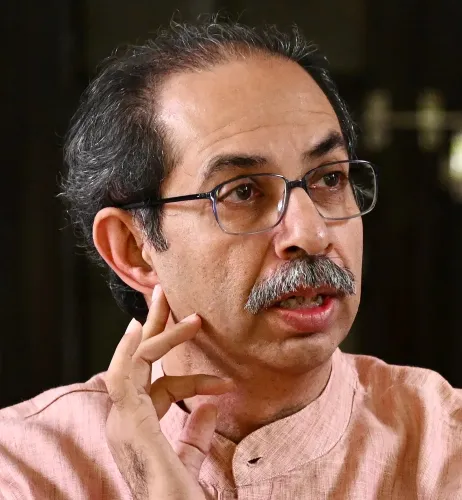
Sugar price rise driven by hoarding, not ethanol: Padma Shri scientist Dr Bakshi Ram
Synopsis
A Padma Shri agricultural scientist has directly challenged the narrative linking India's sugar price spike to ethanol production — pointing to a 6–7 million tonne buffer stock and a production surplus as proof that hoarding and sentiment, not supply, are driving the rise. The early-crushing advisory for mills could be the government's counter-move ahead of festive season demand.
Key Takeaways
Dr Bakshi Ram , Padma Shri awardee and former Director of ICAR-Sugarcane Breeding Institute , said hoarding and market sentiment — not ethanol — are driving sugar prices up.
India produced 30–31 million tonnes of sugar last season against domestic consumption of 27–28 million tonnes .
The country holds a buffer stock of 6–7 million tonnes annually, indicating no actual supply shortage.
Ethanol diversion decisions are made under government oversight, factoring in domestic availability and stock levels.
An advisory to begin crushing from October 15 aims to bring fresh sugar to market earlier and curb stockpiling.
Dr Ram warned that past overproduction caused a price crash that strained mill finances and delayed farmer payments.
Padma Shri awardee and agricultural scientist Dr Bakshi Ram, former Director of ICAR-Sugarcane Breeding Institute, Coimbatore, on Monday said the recent spike in sugar prices has nothing to do with ethanol production, pointing instead to market sentiment, stockpiling, and manufactured concerns around availability as the real culprits. He stressed that India holds more than enough sugar to meet domestic demand.
Why Ethanol Is Not the Culprit
Dr Ram explained that ethanol production in India operates under strict government oversight. Decisions on diverting sugar — whether through B-heavy molasses, C-heavy molasses, or syrup — are taken only after assessing domestic availability and existing stock levels. He argued that blaming ethanol for the current price rise is factually inaccurate.
According to Dr Ram, the ethanol programme has, in fact, been a net positive for the sugar sector — strengthening the financial health of mills and enabling timely payments to sugarcane farmers across the country.
India's Sugar Supply Position
'India produced around 30–31 million tonnes of sugar in the last season, while domestic consumption is around 27–28 million tonnes. In addition, the country maintains a buffer stock of around 6–7 million tonnes every year. There is, therefore, no actual shortage of sugar,' Dr Ram said.
This comes amid rising retail sugar prices that have prompted concerns among consumers and policymakers. Notably, these figures suggest a comfortable surplus — not a supply crunch — making speculative hoarding and sentiment-driven buying the more plausible explanations for the price pressure.
Early Crushing Advisory: What It Means
On the government's advisory to sugar mills to begin crushing from October 15, Dr Ram said an earlier start would bring fresh sugar to market sooner, which could ease supply anxieties. He acknowledged, however, that starting before the traditional post-Diwali window may marginally reduce sugar recovery, as sugarcane typically reaches peak sugar content later in the season.
'If mills start crushing on October 15 or earlier, fresh sugar will become available in the market sooner. This will increase supplies and could also discourage stockpiling, thereby reducing pressure on prices,' he said.
Lessons From Past Overproduction
Dr Ram recalled that a few years ago, sugar output had significantly outpaced domestic requirements, triggering a sharp fall in prices. That glut had strained the finances of several mills, with some struggling to clear dues owed to farmers — a reminder that the sector is as vulnerable to oversupply as it is to speculative demand shocks.
With the early-crushing advisory now in play, the government appears to be using supply-side timing as a lever to stabilise prices — a strategy that, if executed well, could pre-empt further hoarding before the festive season demand surge.
Point of View
Especially ahead of a festive season. The early-crushing advisory is a sensible supply-side nudge, but the deeper question is whether India's sugar price monitoring mechanisms are robust enough to detect and deter speculative stockpiling in real time. If they are not, the same cycle — rumour, hoarding, price spike, policy scramble — will repeat next season.
NationPress
24 Aug 2026
Frequently Asked Questions
Why are sugar prices rising in India?
According to agricultural scientist Dr Bakshi Ram, sugar prices are rising due to market sentiment, stockpiling, and concerns being artificially created around availability — not because of any actual supply shortage. India produced 30–31 million tonnes last season against consumption of 27–28 million tonnes, with an additional buffer stock of 6–7 million tonnes.
Is ethanol production causing the sugar price rise?
No, according to Dr Bakshi Ram. Ethanol diversion decisions are made by the government only after assessing domestic sugar availability and stock levels. He said linking the current price rise to ethanol production would be inappropriate, as the programme actually benefits sugar mills and ensures timely farmer payments.
What is India's current sugar buffer stock?
India maintains a buffer stock of around 6–7 million tonnes of sugar every year, according to Dr Bakshi Ram. Combined with a production surplus over domestic consumption, this indicates there is no actual shortage driving the price increase.
What is the October 15 crushing advisory and how will it help?
The government has advised sugar mills to begin crushing sugarcane from October 15, earlier than the traditional post-Diwali start. Dr Bakshi Ram said this will bring fresh sugar to market sooner, increase overall supply, and potentially discourage stockpiling — all of which could ease price pressure.
Who is Dr Bakshi Ram?
Dr Bakshi Ram is a Padma Shri-awarded agricultural scientist and former Director of the ICAR-Sugarcane Breeding Institute in Coimbatore. He is a recognised authority on sugarcane research and India's sugar sector.