Jefferies' Chris Wood: Market Impact of West Asia Conflict Still Underestimated
Synopsis
Christopher Wood from Jefferies warns that global equity markets have not fully considered the economic repercussions of the ongoing Middle East conflict, suggesting that further declines in equity values may be on the horizon as geopolitical tensions remain high.
Key Takeaways
Global equity markets have not fully priced in the impact of the Middle East war.
Donald Trump's potential actions could influence the conflict's duration.
Russia and China are benefiting economically from the situation.
The Indian Nifty 50 index has declined over 6% recently.
High energy prices pose inflation risks.
New Delhi, March 13 (NationPress) Christopher Wood, the global head of equity strategy at Jefferies, has stated in his latest investor note that global equity markets have not yet fully accounted for the economic impact of the ongoing conflict in the Middle East. He noted that, surprisingly, markets have remained resilient despite the nearly two-week span since the U.S.-Israel military actions against Iran.
Wood suggested that the lack of a significant sell-off in the stock market can be attributed to the prevailing belief that Donald Trump may once again choose to avoid direct confrontation, which he refers to as TACO (Trump Always Chickens Out). He added that the conflict may conclude swiftly if this scenario unfolds.
However, Wood cautioned about the uncertainty surrounding the stances of both Iran and Israel even in such a scenario.
He pointed out that Russia and China have emerged as the primary beneficiaries of the war, with Russia particularly benefiting from the surge in oil prices and the renewed ability to sell crude oil to countries like India.
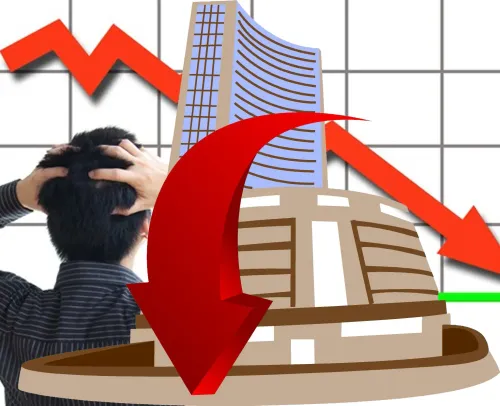
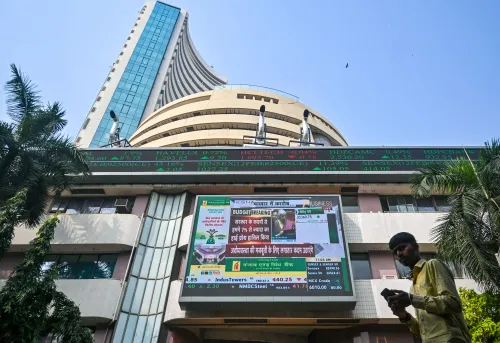
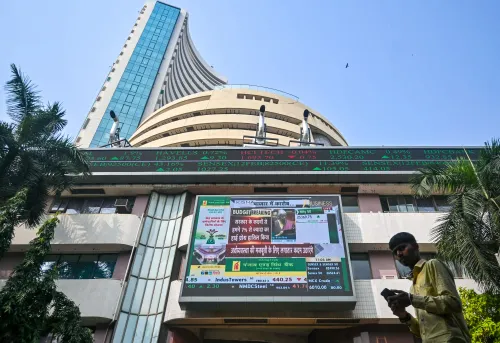
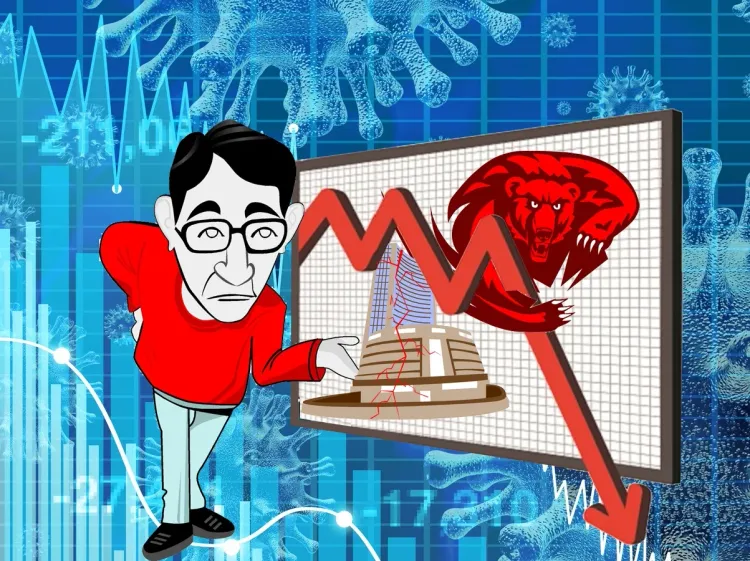
As of the latest figures, India's benchmark index, the Nifty 50, has seen a decline of over 6% in the past two weeks since the onset of the war, dropping from approximately 24,800 points to around 23,300.
Analysts have noted that the ongoing geopolitical uncertainty combined with high energy prices raises concerns about inflation while posing downward risks to economic growth, leaving markets vulnerable to further turmoil should the conflict escalate or persist.
In related news, U.S. Treasury Secretary Scott Bessent shared on social media that the U.S. government is offering a temporary authorization to allow countries to purchase Russian oil that is currently stranded at sea, which aims to enhance global supply.
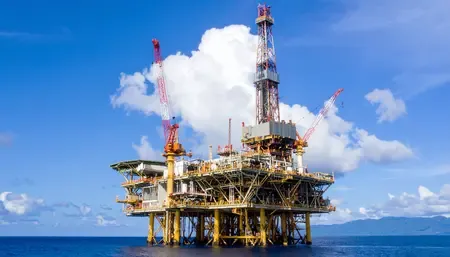
Earlier in March, Brent crude prices had surged past $120 per barrel, while natural gas prices experienced a 14% increase from their recent lows, reaching $3.259 per MMBtu.
As of Friday morning, Brent crude was trading at $99.99 per barrel, down by 0.47%, while West Texas Intermediate (WTI) fell 0.67% to $95.09 per barrel.
The current capacity for crude oil and petroleum product storage stands at 74 days, according to industry data.
This week, Prime Minister Narendra Modi emphasized that the Indian government is committed to ensuring that its citizens do not experience any adverse effects due to conflicts occurring globally.
Point of View
It is crucial to recognize the interconnectedness of global events and their implications for domestic markets. The ongoing conflict in the Middle East is not just a regional issue; it poses risks that could impact our economy and citizens. A proactive approach is necessary to navigate the challenges ahead.
NationPress
9 Oct 2026
Frequently Asked Questions
What is the current impact of the Middle East conflict on global equity markets?
The ongoing conflict has not been fully priced into global equity markets, which may lead to further declines as geopolitical tensions escalate.
Who are the main beneficiaries of the war in the Middle East?
Russia and China are considered the primary beneficiaries, with Russia benefiting from increased oil prices and the ability to sell crude oil globally.
What has been the performance of India's Nifty 50 index recently?
India's Nifty 50 index has dropped over 6% in the last two weeks since the conflict began, highlighting market vulnerability amid geopolitical uncertainty.
What measures is the U.S. government taking regarding Russian oil?
The U.S. administration is providing temporary authorization to allow countries to purchase stranded Russian oil to increase global supply.
How are energy prices affected by the conflict?
Energy prices have surged, with Brent crude surpassing $120 per barrel earlier in March, which raises concerns about inflation and economic growth.