Grand Vitara E20 compatible, Maruti Suzuki to appeal Raipur court order
Synopsis
A Raipur consumer court ordered Maruti Suzuki to replace a Grand Vitara Hybrid or refund ₹20.5 lakh after a customer blamed E20 petrol for technical faults. Maruti is fighting back, citing fuel contamination evidence and the car's certified E20 compatibility — a dispute that could set a precedent as India's ethanol blending programme scales up.
Key Takeaways
The District Consumer Disputes Redressal Commission, Raipur ordered Maruti Suzuki to replace a Grand Vitara Hybrid or refund ₹20.5 lakh within 45 days .
The customer alleged technical problems caused by E20 petrol ; Maruti says the car was E20-compatible as stated in the owner's manual.
The vehicle was manufactured in January 2023 and sold in June 2024 .
Maruti Suzuki found evidence of fuel contamination in the sample from the customer's vehicle, which it says was not reflected in the order.
The company has confirmed it will appeal the ruling before a higher forum .
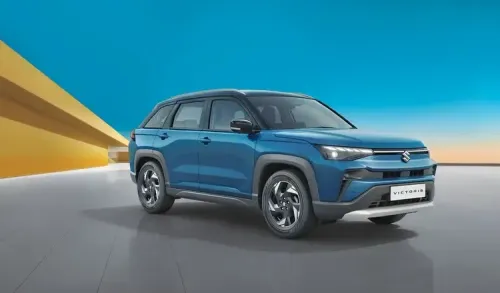
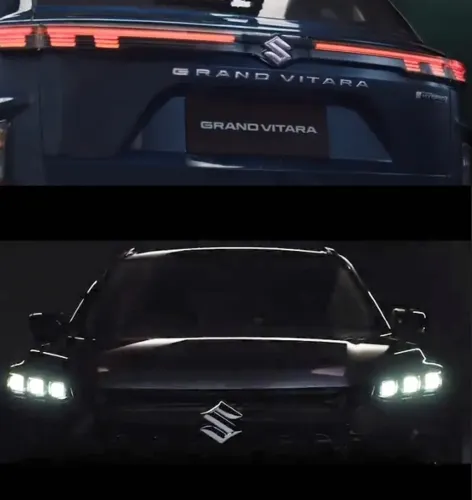
Maruti Suzuki India on Thursday, 16 July asserted that its Grand Vitara is fully E20-compatible and announced it will challenge a ruling by the District Consumer Disputes Redressal Commission, Raipur, which directed the automaker to replace a customer's vehicle. The company maintains the car was equipped to handle E20 fuel from the outset and that critical facts were overlooked in the commission's order.
What the Consumer Commission Ordered
The Raipur consumer commission ruled in favour of a Chhattisgarh-based buyer who alleged that his Grand Vitara Hybrid developed technical faults after running on E20 petrol. The commission directed Maruti Suzuki to replace the vehicle with a new E20-compatible model within 45 days, failing which the company must issue a full refund of ₹20.5 lakh — covering the vehicle's cost, registration charges, and insurance.
Maruti Suzuki's Counter-Argument
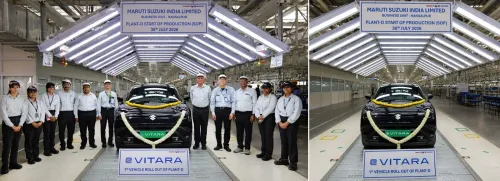
The automaker strongly contested the findings, stating that the vehicle — manufactured in January 2023 and sold to the customer in June 2024 — was already E20-compatible, as disclosed in the owner's manual. Maruti Suzuki said its investigation found evidence of fuel contamination in the sample collected from the customer's car, a factor it argues was not adequately considered in the commission's ruling.
'The car in this case was an E20 compatible car, fully equipped to handle E20 fuel and so disclosed in the owner's manual. There is evidence of contamination in the fuel collected from the customer's vehicle. Several other relevant facts have also not been reflected in the order,' the company said in an official statement.
Legal Steps Ahead
Maruti Suzuki confirmed it will escalate the matter to a higher judicial forum. 'Maruti Suzuki will take necessary steps to challenge the impugned order before the appropriate higher forum in accordance with law,' the company stated. The appeal is expected to hinge on the fuel contamination evidence and the vehicle's certified E20 compliance documentation.
Broader Context: E20 Fuels and Vehicle Compatibility
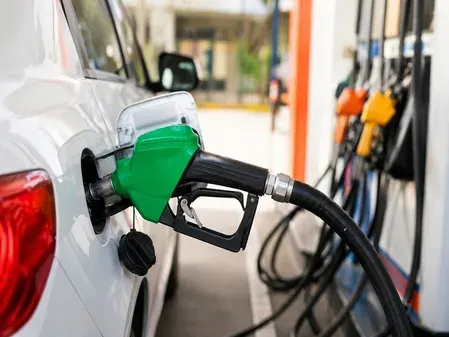
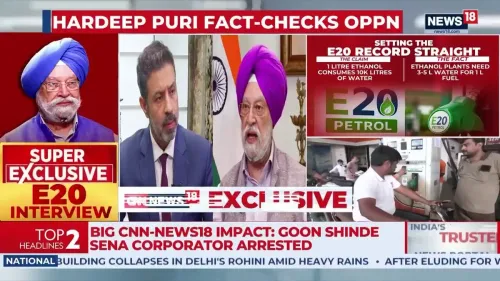
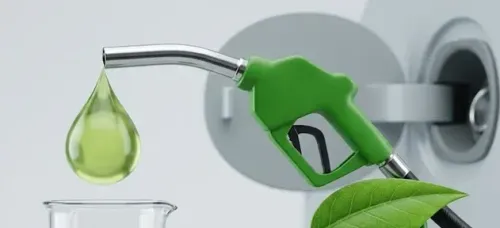
The case has drawn wider attention amid India's ongoing push to increase ethanol blending in petrol, with E20 — a blend containing up to 20% ethanol — now increasingly available at fuel stations. Automakers have consistently maintained that vehicles certified as E20-compatible are designed to safely operate on such blends, provided the fuel meets prescribed quality standards. Notably, this dispute underscores a gap that could widen as E20 availability scales up: consumers may not always be able to verify fuel quality at the pump, raising questions about where liability rests when contaminated blends cause vehicle damage.
As India accelerates its ethanol blending programme, cases like this are likely to test the boundaries of manufacturer warranties, fuel retailer accountability, and consumer protection frameworks simultaneously.
Point of View
The question of who bears liability when a compatible vehicle suffers damage — manufacturer, fuel retailer, or consumer — remains legally unsettled. Maruti's contamination argument is legally sound but difficult to prove after the fact, which is precisely why the higher forum's ruling will matter beyond this single car. If the commission's order stands, it could open the floodgates for similar claims, even in cases where the vehicle, not the fuel, is at fault. India's ethanol blending ambitions need a clearer liability framework before the next wave of E20-related disputes arrives.
NationPress
15 Oct 2026
Frequently Asked Questions
What did the Raipur consumer court order Maruti Suzuki to do?
The District Consumer Disputes Redressal Commission, Raipur ordered Maruti Suzuki to replace a customer's Grand Vitara Hybrid with a new E20-compatible vehicle within 45 days, or alternatively pay a full refund of ₹20.5 lakh covering the vehicle cost, registration, and insurance.
Why is Maruti Suzuki contesting the consumer court order?
Maruti Suzuki argues the Grand Vitara in question was already E20-compatible and capable of running on E20 fuel, as documented in its owner's manual. The company also says evidence of fuel contamination in the customer's vehicle was not considered in the commission's ruling.
Is the Maruti Suzuki Grand Vitara Hybrid E20-compatible?
According to Maruti Suzuki, the Grand Vitara Hybrid is E20-compatible and was disclosed as such in the owner's manual at the time of sale. The company maintains that the vehicle is fully equipped to handle fuel containing up to 20% ethanol.
What is E20 fuel and why does compatibility matter?
E20 is a petrol blend containing up to 20% ethanol, part of India's national ethanol blending programme. Vehicle compatibility matters because engines not certified for E20 may suffer damage from the higher ethanol content; manufacturers certify E20-compatible models to safely run on such blends provided the fuel meets quality standards.
What happens next in the Maruti Suzuki Grand Vitara case?
Maruti Suzuki has stated it will appeal the Raipur commission's order before a higher judicial forum. The appeal is expected to centre on the fuel contamination evidence and the vehicle's certified E20 compliance, making the higher court's ruling a potential benchmark for similar disputes.