MeitY ChipIN Centre launched at Sona College, Tamil Nadu for VLSI research
Synopsis
India's semiconductor talent pipeline just got a new node. The MeitY-backed ChipIN Centre at Sona College of Technology in Tamil Nadu — armed with ₹10 crore in EDA tools and backed by the C2S programme — is targeting 'Made in India' chip development within 24-36 months, as the country races to build the engineering depth its semiconductor ambitions demand.
Key Takeaways
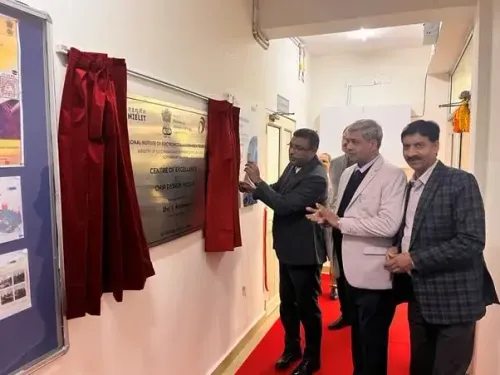
The Sona ChipIN Centre was inaugurated at Sona College of Technology, Tamil Nadu , under the MeitY-backed C2S programme .
The facility is equipped with EDA tools valued at ₹10 crore for semiconductor design and VLSI research.
Sona Institutions Chairman C Valliappa set a target of developing a 'Made in India' chip within 24-36 months .
The C2S Programme , launched in 2022 with a ₹250 crore outlay, aims to produce 85,000 chip design professionals across India.
The centre will train students across five engineering programmes , including VLSI Design and Technology.
A MeitY-backed ChipIN Centre dedicated to semiconductor design education and VLSI research has been inaugurated at Sona College of Technology in Tamil Nadu, marking a significant step in India's push to build domestic chip design capabilities. The facility, established under the Chips to Startup (C2S) programme, is equipped with advanced tools and is expected to produce industry-ready semiconductor engineers at scale.
What the Centre Offers
The Sona ChipIN Centre, housed within the Department of Electronics and Communication Engineering (ECE), features Electronic Design Automation (EDA) tools valued at ₹10 crore, enabling students, researchers, and faculty to pursue semiconductor design, VLSI research, and industry-oriented innovation projects. The software ecosystem includes chip design platforms from leading global technology firms.
The centre will train students across multiple programmes — Electronics and Communication Engineering, Electrical and Electronics Engineering, Electronics Engineering VLSI Design and Technology, Electronics and Computer Engineering, and ME VLSI Design, according to the institution.
Who Inaugurated It and What Was Said
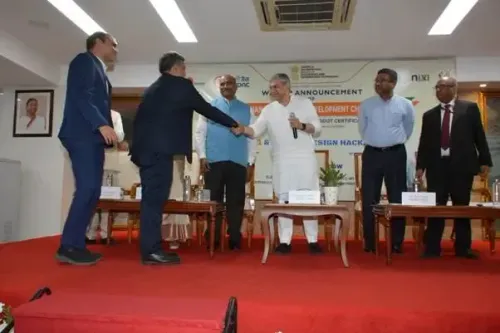
The centre was inaugurated by Dr V Veerappan, Chairman of the India Electronics and Semiconductor Association, and Shekar Viswanathan, former Vice-Chairman of Toyota Kirloskar Motor.
Sona Institutions Chairman C Valliappa called on the centre to develop a 'Made in India' chip within the next 24-36 months, in alignment with the government's India Semiconductor Mission. Vice Chairman Chocko Valliappa noted the initiative's significance given India's entry into advanced 3nm chip development capabilities and the country's rapidly expanding semiconductor ecosystem.
The C2S Programme Behind It
The Chips to Startup (C2S) Programme is a national capacity-building initiative launched by MeitY in 2022 with a ₹250 crore outlay over five years. The programme is co-supported by C-DAC and the ChipIN Centre initiative, and targets the creation of 85,000 industry-ready professionals at undergraduate, postgraduate, and doctoral levels in chip design and VLSI-related fields, according to the government.
Why This Matters for India's Semiconductor Push
India's semiconductor ambitions have gained momentum in recent years, with the government committing large incentives to attract global chipmakers and build indigenous design talent. Notably, academic institutions are increasingly being drawn into this pipeline — a recognition that hardware talent, not just software, will determine India's position in the global chip supply chain. The Sona ChipIN Centre is among a growing number of such nodes being activated under C2S across the country. With demand for VLSI engineers rising globally, the centre's output could have implications well beyond Tamil Nadu's borders.
Point of View
000-professional target under C2S will only mean something if placement and industry absorption rates are tracked and published. The '24-36 months for a Made in India chip' goal is ambitious; without a clear definition of what constitutes an indigenous chip — design, fabrication, or both — it risks becoming another aspirational headline. The harder question is whether EDA tool access alone bridges the gap between academic VLSI training and the rigour that global semiconductor firms actually demand.
NationPress
29 Sept 2026
Frequently Asked Questions
What is the MeitY ChipIN Centre at Sona College of Technology?
It is a semiconductor design and VLSI research facility inaugurated at Sona College of Technology in Tamil Nadu, set up under MeitY's Chips to Startup (C2S) programme. The centre is equipped with Electronic Design Automation (EDA) tools worth ₹10 crore to train students and support chip design research.
What is the Chips to Startup (C2S) programme?
The C2S programme is a national capacity-building initiative launched by MeitY in 2022 with a ₹250 crore outlay over five years. It aims to create 85,000 industry-ready professionals in chip design and VLSI fields across undergraduate, postgraduate, and doctoral levels in India.
What is the target set for the Sona ChipIN Centre?
Sona Institutions Chairman C Valliappa has called on the centre to develop a 'Made in India' chip within 24-36 months, in alignment with the government's India Semiconductor Mission.
Who inaugurated the Sona ChipIN Centre?
The centre was inaugurated by Dr V Veerappan, Chairman of the India Electronics and Semiconductor Association, and Shekar Viswanathan, former Vice-Chairman of Toyota Kirloskar Motor.
Which programmes will the centre support at Sona College?
The centre will train students across five programmes: Electronics and Communication Engineering, Electrical and Electronics Engineering, Electronics Engineering VLSI Design and Technology, Electronics and Computer Engineering, and ME VLSI Design.