PM Modi backs India's solar push ahead of Bharat Renewable Energy Summit 2026
Synopsis
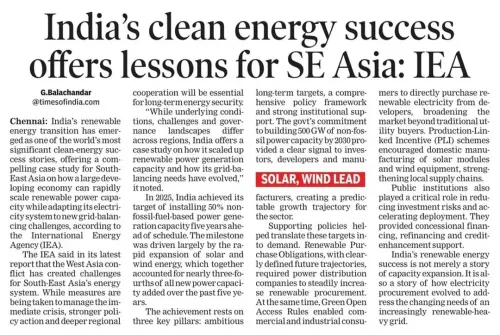
With the Bharat Renewable Energy Summit 2026 and the 9th ISA Assembly on the horizon, PM Modi has amplified India's solar narrative — pointing to 500 GW targets, green jobs, and a Bloomberg co-authored article. The timing signals India's bid to position itself as the global anchor for the clean energy transition.
Key Takeaways
PM Modi on 2 November 2026 highlighted India's solar and renewable energy progress ahead of the Bharat Renewable Energy Summit 2026 and 9th ISA Assembly .
India is targeting 500 GW of renewable energy capacity, with solar at the centre of the push.
Flagship schemes cited include PM Surya Ghar , PM-KUSUM , and the National Green Hydrogen Mission .
Renewable Energy Minister Prahlad Joshi co-authored an article with philanthropist Michael Bloomberg on India's clean energy growth.
Joshi described India's renewable revolution as 'a model for a cleaner and more sustainable future' in a post on X.
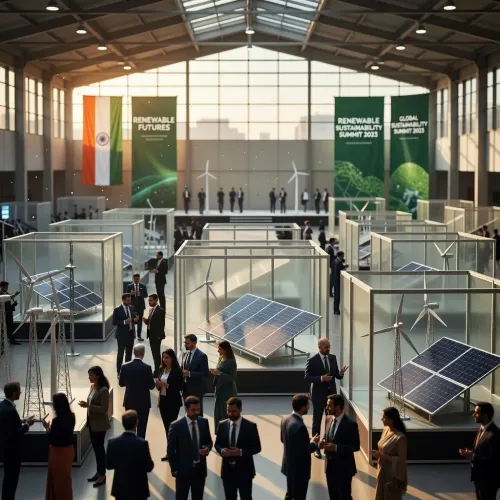
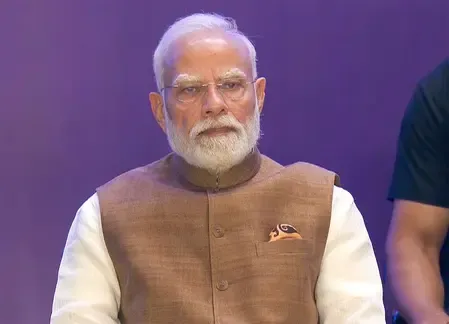
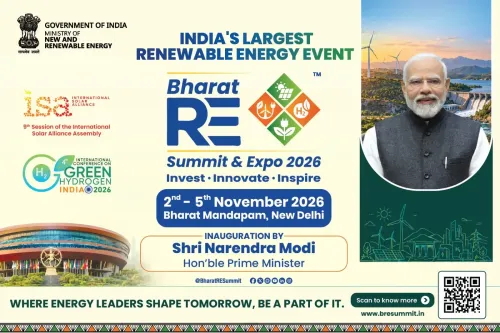
Prime Minister Narendra Modi on Monday, 2 November 2026 spotlighted India's rapidly expanding solar and renewable energy sector, stating that the country's solar journey is 'opening up new opportunities' — remarks timed ahead of the Bharat Renewable Energy Summit 2026 and the 9th Assembly of the International Solar Alliance (ISA) in New Delhi.
The Prime Minister shared two posts on social media highlighting articles on India's clean energy progress, including one authored by Union Renewable Energy Minister Prahlad Joshi and another co-authored by philanthropist Michael Bloomberg and Joshi on the growth of renewable energy in India.
What Modi Said
'India's solar energy journey is opening up new opportunities,' Modi said, sharing Joshi's article on the expansion of solar power and its future prospects. The Prime Minister noted that the article covers solar-powered agriculture, energy storage, domestic manufacturing, and the creation of green jobs as India works toward a target of 500 GW of renewable energy capacity.
A second post drew attention to the Bloomberg-Joshi co-authored piece, which covers the growth of India's renewable energy sector, the expansion of rooftop solar installations, and investments in energy storage and transmission infrastructure.
Minister Joshi on Clean Energy Transition
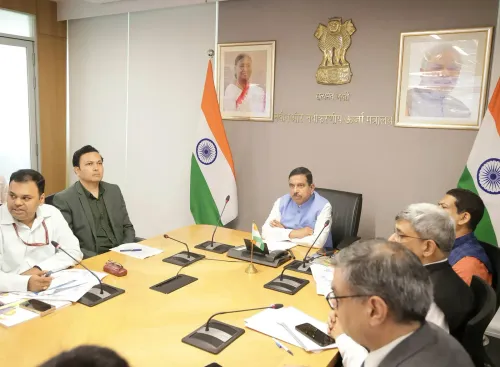
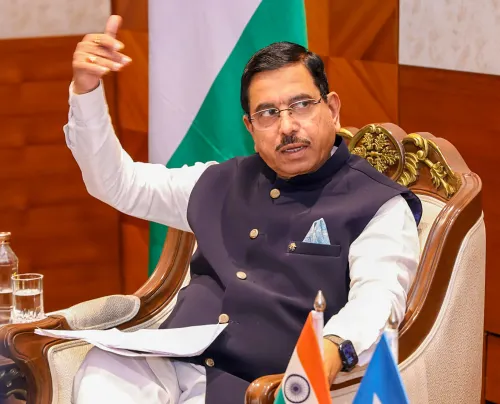
Joshi said India's clean energy transition was creating new possibilities 'for millions from rooftops to farmlands.' He credited Prime Minister Modi's vision as the driving force behind flagship programmes including PM Surya Ghar, PM-KUSUM, the National Green Hydrogen Mission, and domestic solar manufacturing initiatives.
In a post on X, Joshi described India's renewable energy revolution as 'a model for a cleaner and more sustainable future,' adding that the clean energy transition was simultaneously driving economic growth and strengthening energy security.
India's 500 GW Target and Global Role
Joshi said he looked forward to welcoming global leaders and innovators at the Bharat Renewable Energy Summit 2026 to forge stronger clean energy partnerships. He added that as India prepares to host the summit and the 9th ISA Assembly, the country's experience offers 'valuable lessons for the global clean energy transition.'
India's renewable energy ambition is among the most aggressive in the developing world. The 500 GW target — a cornerstone of the country's commitments under the Paris Agreement — spans solar, wind, hydro, and green hydrogen, with solar accounting for the largest share of planned capacity additions.
Key Programmes Driving the Push
PM Surya Ghar aims to bring rooftop solar to one crore households, while PM-KUSUM targets solar-powered irrigation for farmers. The National Green Hydrogen Mission envisions India as a global hub for green hydrogen production and export. Together, these schemes position clean energy as both a climate and an economic development strategy.
With two major international clean energy events converging in India, the spotlight on the country's solar progress is set to intensify in the days ahead.
Point of View
And grid integration, land acquisition bottlenecks, and storage costs remain unresolved. The summit will be a diplomatic showcase, but the harder questions — about financing gaps, discom health, and curtailment losses — will not be answered on a stage.
NationPress
2 Nov 2026
Frequently Asked Questions
What is the Bharat Renewable Energy Summit 2026?
The Bharat Renewable Energy Summit 2026 is an upcoming international clean energy conference that India is hosting, coinciding with the 9th Assembly of the International Solar Alliance (ISA). It is aimed at forging global clean energy partnerships and showcasing India's renewable energy progress.
What is India's renewable energy target?
India is targeting 500 GW of total renewable energy capacity, a goal that forms a core part of its Paris Agreement commitments. Solar power accounts for the largest share of planned additions under this target.
What are PM Surya Ghar and PM-KUSUM?
PM Surya Ghar is a government scheme aimed at installing rooftop solar panels in one crore households. PM-KUSUM targets solar-powered irrigation pumps for farmers, reducing dependence on grid power and diesel in agriculture.
Who is Michael Bloomberg and why is he involved?
Michael Bloomberg is an American philanthropist and former New York City mayor known for funding global climate and clean energy initiatives. He co-authored an article with Renewable Energy Minister Prahlad Joshi on India's renewable energy growth, which PM Modi amplified on social media.
What is the International Solar Alliance (ISA)?
The International Solar Alliance (ISA) is a treaty-based intergovernmental organisation co-founded by India and France to promote solar energy adoption globally, especially in sun-rich developing nations. Its 9th Assembly is being held alongside the Bharat Renewable Energy Summit 2026.