NSE chief Ashish Chauhan warns investors: Ditch F&O tips, go long-term
Synopsis
NSE chief Ashish Kumar Chauhan issued a rare public advisory urging retail investors to drop the F&O habit, ignore unsolicited tips, and stay invested for years — not hours. His dot-com-era comparison to today’s AI investment frenzy is a subtle but pointed warning about valuation excess that mainstream coverage largely glossed over.
Key Takeaways
NSE MD and CEO Ashish Kumar Chauhan urged retail investors on 8 November 2026 to adopt a long-term horizon of three to five years or more .
He warned against uninformed F&O trading , saying it can expose investors to substantial losses .
Chauhan advised against borrowing money for stock market investments or taking risks beyond one’s financial capacity.
He recommended mutual funds , fund managers, financial advisers, and portfolio managers for investors lacking time or expertise.
Chauhan compared the current AI-driven investment cycle to the dot-com boom of 1998–2000 , signalling a note of caution on valuations.
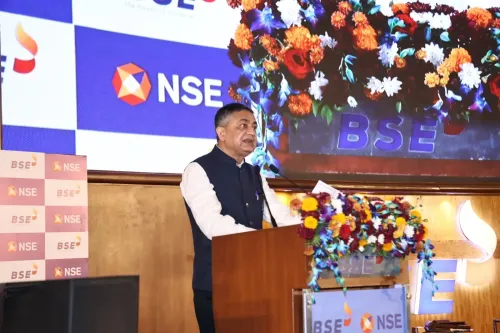
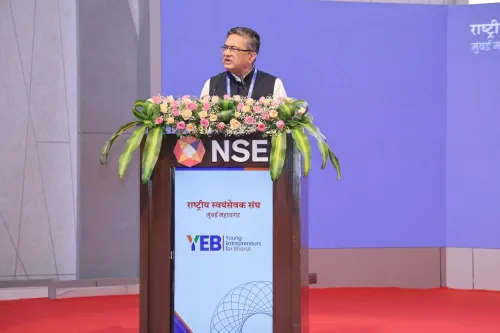
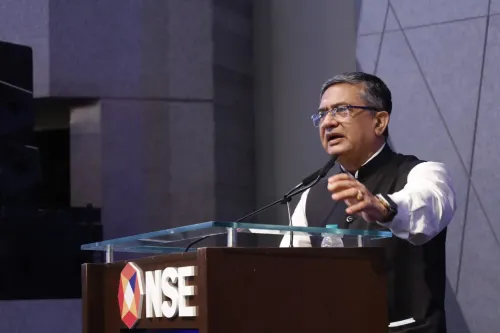
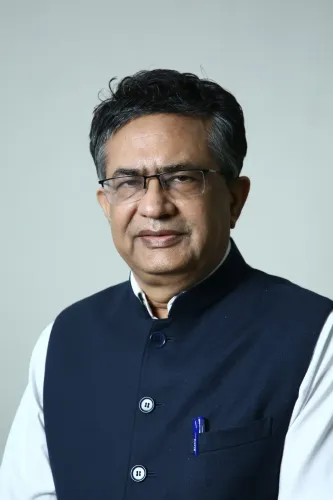
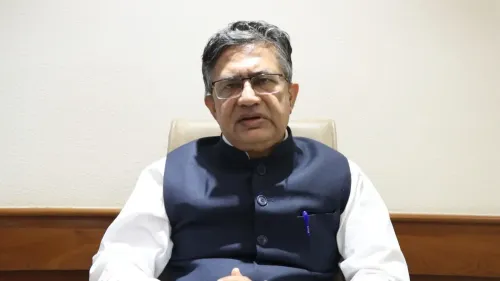
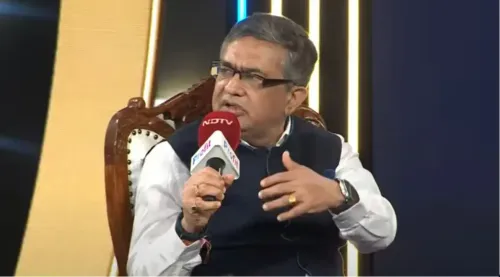
National Stock Exchange (NSE) Managing Director and CEO Ashish Kumar Chauhan on 8 November 2026 urged retail investors to abandon the chase for quick profits, warning against acting on unsolicited stock tips, speculative market rumours, and uninformed trading in futures and options (F&O). Speaking in a televised conversation with NDTV Profit, Chauhan stressed that patience and a long-term investment horizon of three to five years — or even a decade — are the cornerstones of sustainable wealth creation in equities.
The case against short-term trading
Chauhan drew a sharp line between investing and speculating. “Investment means being patient and investing for the long run and not buying in the morning and selling in the afternoon,” he said, cautioning retail participants against basing decisions on television panel discussions, market gossip, or speculative news cycles. His remarks come at a time when retail F&O volumes on Indian exchanges have surged to record levels, prompting repeated regulatory scrutiny of retail participation in derivatives.
He also warned investors against borrowing funds for market exposure or taking on financial risk that exceeds their capacity to absorb losses — a practice that has led to severe household-level distress during past market corrections.
F&O: Understand before you enter
On derivatives, Chauhan was unequivocal. Investors should enter the F&O segment only if they possess a clear understanding of how the instruments work and have the knowledge to manage the associated risks. He cautioned that uninformed participation in derivatives could expose investors to substantial losses — a concern echoed by the Securities and Exchange Board of India (SEBI), which has previously noted that a large majority of individual F&O traders book net losses over multi-year horizons.
When to seek professional help
For investors who lack either the time or the expertise to track corporate developments, macroeconomic trends, and market movements, Chauhan recommended mutual funds and professional investment services — including fund managers, financial advisers, and portfolio managers. Drawing an analogy with healthcare, he noted that most people consult a doctor rather than attempting self-treatment without medical training. The same logic, he argued, should apply to financial decision-making.
He acknowledged that market volatility is inevitable and said investors should not allow short-term price swings or speculative impulses to derail a disciplined investment strategy. A long-term approach, he added, could deliver better returns than several alternative asset classes — provided investors remain conscious of the inherent risks.
AI and the new investment cycle
The conversation also touched on the growing influence of artificial intelligence (AI) on global and Indian markets. Chauhan drew parallels between the current AI-driven investment cycle and the dot-com boom of 1998–2000, suggesting that India’s emergence as a destination for technology-led capital flows mirrors the dynamics of the internet revolution of the late 1990s. He did not elaborate on specific risks or opportunities within the AI theme, but the comparison implicitly signalled caution about valuation excesses that accompanied the dot-com era.
Why this matters now
Chauhan’s remarks are particularly timely. Retail investor registrations on Indian exchanges have climbed steeply since the pandemic, and F&O turnover has ballooned even as regulators have flagged the risks to household savings. The NSE chief’s public advisory adds institutional weight to calls for greater financial literacy and disciplined participation. The next phase of India’s capital market growth, analysts note, will depend as much on the quality of retail investor behaviour as on market infrastructure.
Point of View
And SEBI data has consistently shown that most individual derivatives traders lose money. The more striking element is his dot-com parallel: comparing the current AI investment frenzy to 1998–2000 carries an implicit bubble warning that few exchange heads would voice so publicly. What is missing from the conversation is structural — financial literacy campaigns and regulatory guardrails have so far failed to match the pace at which retail money has flooded into high-risk segments. Advice from the top of the exchange is valuable, but without enforceable friction at the point of onboarding for F&O, the message risks reaching an audience that is already too exposed.
NationPress
8 Nov 2026
Frequently Asked Questions
What did NSE CEO Ashish Kumar Chauhan say about F&O trading?
Chauhan said investors should enter the futures and options segment only if they fully understand how it works and can manage the associated risks, warning that uninformed participation can lead to substantial losses. He made the remarks in a televised interview on 8 November 2026.
What investment approach does the NSE chief recommend?
Chauhan recommends staying invested for three to five years or even a decade, rather than attempting to profit from frequent short-term trades. He also advises investors to avoid acting on unsolicited tips, television rumours, or speculative news.
Who should consider mutual funds according to Ashish Chauhan?
Investors who lack the time or expertise to track companies, market movements, and economic trends should consider mutual funds, fund managers, financial advisers, or portfolio managers, according to Chauhan. He compared seeking professional financial help to consulting a doctor rather than attempting self-treatment.
Why did Chauhan compare the AI investment cycle to the dot-com boom?
Chauhan drew parallels between the current AI-driven market enthusiasm and the dot-com boom of 1998–2000 to highlight how technology-led investment cycles can share similar characteristics, implicitly cautioning about the risk of valuation excess. He did not predict a crash but noted the structural similarities.
What are the risks of borrowing money to invest in stocks?
Chauhan specifically warned against using borrowed funds for stock market investments, noting that investors should not take on financial risk beyond their capacity to absorb losses. Leveraged positions amplify losses during market corrections, which can cause severe financial distress for retail investors.