OpenAI brings Codex to ChatGPT mobile app on iOS and Android
Synopsis
OpenAI has brought its Codex AI coding assistant to the ChatGPT mobile app on iOS and Android, letting developers approve commands, review diffs, and switch models from their phones. With over 4 million weekly users and HIPAA-compliant enterprise support now in the mix, Codex is moving well beyond a developer novelty toward a serious remote-work infrastructure play.
Key Takeaways
OpenAI has integrated Codex into the ChatGPT mobile app for iOS and Android , announced on 15 May .
The feature is available in preview across all plans, including Free and Go , in supported regions.
More than 4 million users use Codex every week, according to OpenAI.
Real-time updates — screenshots, terminal output, diffs, and test results — sync to the mobile app; credentials stay on the host machine.
HIPAA-compliant Codex use is supported for eligible ChatGPT Enterprise workspaces.
Support for Windows systems is planned but not yet available.
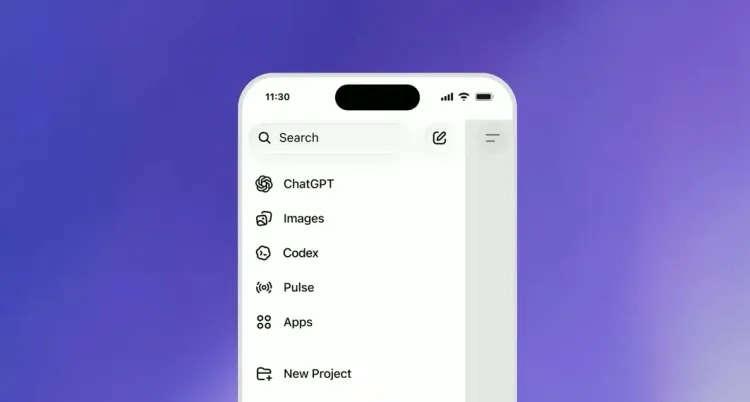
OpenAI has integrated its AI coding assistant Codex into the ChatGPT mobile application for iOS and Android, enabling developers to monitor, manage, and approve coding tasks directly from their smartphones without returning to a desktop. The rollout, announced on 15 May, is available in preview mode across all ChatGPT plans — including Free and Go — in supported regions.
What the Mobile Integration Enables
With the new integration, users can link their phones to machines running Codex — including laptops, Mac minis, devboxes, and managed remote environments — and receive live project updates through the ChatGPT app. According to OpenAI, developers can review outputs, approve commands, switch AI models, start new coding tasks, and track ongoing threads entirely from their mobile devices.
The company specified that real-time updates — including screenshots, terminal output, diffs, test results, and approvals — are synced to the mobile app, while 'files, credentials and permissions remain on the connected machine,' ensuring sensitive data does not leave the host system.
Scale and Availability
OpenAI disclosed that more than 4 million users are now using Codex every week, underscoring rapid adoption since its launch. Remote SSH support and hooks are now generally available across all plans, while programmatic access tokens have been introduced specifically for Enterprise and Business users.
Healthcare and Enterprise Support
OpenAI also confirmed that HIPAA-compliant use of Codex in local environments will be supported for eligible ChatGPT Enterprise workspaces. This positions the tool for adoption in healthcare and regulated enterprise settings, where data governance requirements are stringent.
What Comes Next
The company noted that support for connecting the ChatGPT mobile app to Codex running on Windows systems is forthcoming, though no specific timeline was provided. The expansion to Windows would significantly broaden the addressable developer base, given Windows' dominant share in enterprise environments. This move reflects a broader industry push to shift AI-assisted development workflows from desktop-bound tools to always-connected mobile interfaces.
Point of View
The company is threading a needle between mobility and enterprise security — a combination that could accelerate adoption in regulated sectors. The HIPAA compliance signal is particularly telling: OpenAI is no longer just courting developers, it is courting CIOs. The 4 million weekly users figure, if sustained, would make Codex one of the fastest-adopted developer tools in recent memory — but the real test is retention once the novelty of mobile approvals wears off.
NationPress
28 Sept 2026
Frequently Asked Questions
What is OpenAI Codex and what does the mobile integration do?
OpenAI Codex is an AI-powered coding assistant integrated into ChatGPT. The new mobile integration allows developers to connect their iOS or Android phones to machines running Codex and manage coding tasks — reviewing outputs, approving commands, and switching AI models — without sitting at a desktop.
Which ChatGPT plans support Codex on mobile?
The mobile Codex integration is available in preview across all ChatGPT plans, including Free and Go, in supported regions. Programmatic access tokens are additionally available for Enterprise and Business users.
Is Codex on mobile secure for enterprise use?
According to OpenAI, files, credentials, and permissions remain on the connected host machine and are not transferred to the mobile device. HIPAA-compliant use of Codex in local environments is also supported for eligible ChatGPT Enterprise workspaces, making it viable for healthcare and regulated industries.
How many users are currently using Codex?
OpenAI has disclosed that more than 4 million users access Codex every week, reflecting significant adoption since the tool's launch.
Will Codex mobile support work on Windows?
OpenAI has confirmed that support for connecting the ChatGPT mobile app to Codex running on Windows systems is planned, though no specific release date has been announced.