Pakistan Railways owes Rs 21.36 billion in unpaid staff dues amid ministry row
Synopsis
Pakistan Railways is sitting on Rs 21.36 billion in unpaid staff dues — gratuity, benevolent funds, and marriage grants — while its Railways and Finance ministries trade blame. Retirees from March 2023 onwards have received nothing, and a Rs 8.19 billion emergency grant request has gathered dust since December 2025. The numbers expose a widening gap between Pakistan's stabilisation narrative and the financial reality facing its own public-sector workforce.
Key Takeaways
Pakistan Railways has Rs 21.36 billion in uncleared employee-related liabilities as of May 2025 .
Rs 10 billion is owed across 5,578 gratuity claims filed by retired employees.
Rs 7.52 billion remains unpaid under 4,135 cases covered by the Prime Minister's Assistance Package .
Employees retiring after March 2023 have not received any dues to date.
A summary seeking an extra grant of Rs 8.19 billion has been pending since December 2025 without action by the Economic Coordination Committee .
Pakistan Railways generated Rs 93 billion in revenue last financial year but the liability backlog remains unresolved.
Pakistan Railways is carrying Rs 21.36 billion in uncleared employee liabilities, with dues of both retired and serving staff remaining unpaid even as the department claims improved financial performance, according to official documents. The crisis has triggered a standoff between the Ministry of Railways and the Ministry of Finance over who bears responsibility for releasing the funds.
Scale of Pending Dues
The largest single component of the backlog is Rs 10 billion tied to 5,578 gratuity claims filed by retired employees. A further Rs 7.52 billion remains unpaid across 4,135 cases covered under the Prime Minister's Assistance Package. Additionally, Rs 1.18 billion in marriage grants and Rs 1.52 billion under the benevolent fund are also outstanding, according to the documents.
Employees Retired After March 2023 Hit Hardest
Employees who retired after March 2023 have not received any of their entitled dues, the documents reportedly show. The Railways Ministry has submitted the relevant details to the National Assembly, placing the onus squarely on the Finance Ministry for failing to release the required allocation despite repeated requests.
Bureaucratic Gridlock Deepens the Crisis
A summary seeking an additional grant of Rs 8.19 billion has been pending since December 2025 — over five months without action. Notably, the matter has not been taken up by the Economic Coordination Committee in the same period, suggesting the issue has been deprioritised at the highest levels of Pakistan's economic decision-making machinery. This comes amid wider concerns that Islamabad's prolonged focus on fiscal stabilisation has come at the cost of structural reform.
Revenue Picture Vs. Liability Reality
The gap between headline performance and ground-level distress is stark. Pakistan Railways reportedly generated Rs 93 billion in revenue during the last financial year and received Rs 64 billion in government grants — yet the employee liability backlog remains unresolved. Critics argue this reflects a broader pattern in which operational metrics are cited without addressing legacy obligations to the workforce.
Broader Economic Context
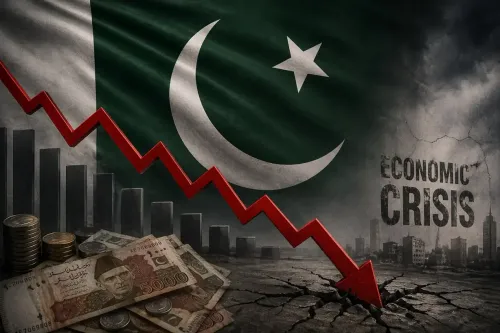
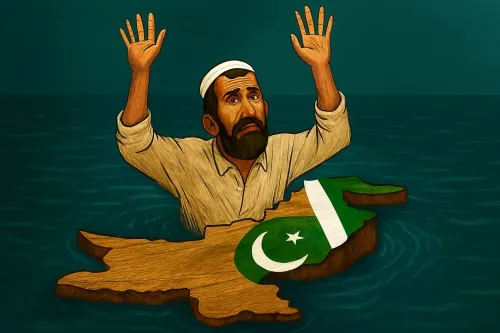
The Railways crisis surfaces against a difficult macroeconomic backdrop. Pakistani Prime Minister Shehbaz Sharif has acknowledged that the US-Iran conflict has negatively impacted Pakistan through higher energy prices, geopolitical uncertainty, and disruptions in trade and supply chains. A separate report has warned that without structural reforms, Pakistan risks being trapped in recurring cycles of economic crisis and stagnation — a concern that the Railways standoff appears to illustrate in microcosm.
Point of View
Yet cannot clear dues for retirees who left service over two years ago. The inter-ministerial blame game, combined with an Economic Coordination Committee that has not convened on this issue in five months, points to a structural accountability vacuum at the heart of Pakistan's public-sector management. Islamabad's stabilisation narrative looks increasingly hollow when the state cannot honour its most basic obligation to its own employees.
NationPress
22 Sept 2026
Frequently Asked Questions
How much does Pakistan Railways owe its employees?
Pakistan Railways has Rs 21.36 billion in pending employee-related liabilities, covering gratuity claims, the Prime Minister's Assistance Package, marriage grants, and the benevolent fund. Both retired and serving staff are affected, with retirees from March 2023 onwards having received no dues so far.
Why have Pakistan Railways employee dues not been paid?
The Railways Ministry and the Finance Ministry are in dispute over the release of funds, with the Railways Ministry placing responsibility on Finance for not allocating the required amounts despite repeated requests. A summary seeking Rs 8.19 billion in additional grants has been pending since December 2025.
Which categories of dues are outstanding?
The outstanding amount includes Rs 10 billion for 5,578 gratuity claims, Rs 7.52 billion under 4,135 Prime Minister's Assistance Package cases, Rs 1.18 billion in marriage grants, and Rs 1.52 billion under the benevolent fund.
How much revenue did Pakistan Railways earn last year?
Pakistan Railways reportedly generated Rs 93 billion in revenue during the last financial year and received Rs 64 billion in government grants, yet the employee liability backlog of Rs 21.36 billion remains uncleared.
What is the broader economic context for this crisis?
Pakistan is navigating a difficult macroeconomic environment, with Prime Minister Shehbaz Sharif acknowledging that the US-Iran conflict has raised energy costs and disrupted trade. Analysts have warned that continued focus on stabilisation without structural reform risks trapping Pakistan in recurring economic crises, of which the Railways dues standoff is one visible symptom.