Modi's fintech push built India's digital payments giant, say industry leaders on PM's 76th birthday
Synopsis
On PM Modi's 76th birthday, the CEOs of MobiKwik and PhonePe credited his government's decade-long push for India's rise as a global real-time payments leader — while also clarifying that customers will not be charged under the proposed UPI MDR, with only eligible merchants above ₹2,000 transactions facing a 0.4% levy.
Key Takeaways
Fintech leaders praised PM Modi 's initiatives on his 76th birthday for boosting India's digital payments ecosystem over 12–13 years .
MobiKwik CEO Bipin Preet Singh said UPI helped India emerge as a global leader in real-time payments.
PhonePe CEO Sameer Nigam confirmed customers will not be charged for UPI usage, now or in the future.
Small merchants with annual turnover below ₹1 lakh will be exempt from the proposed UPI MDR framework.
96% of transactions at large merchants are below ₹2,000 and will not attract the proposed charge.
For transactions above ₹2,000 at eligible merchants, an MDR of 0.4% will apply — borne by merchants, not customers.
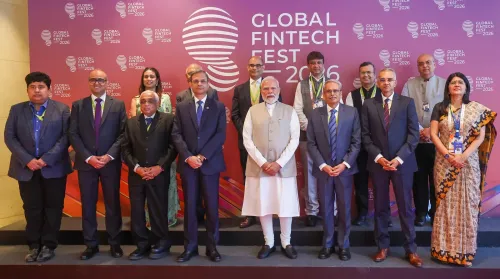
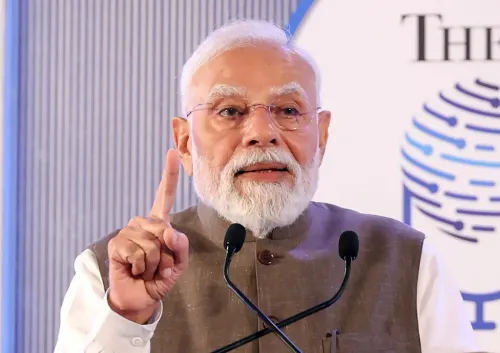
India's fintech and digital payments ecosystem has grown substantially over the past decade, with initiatives championed by Prime Minister Narendra Modi credited for expanding financial inclusion and nurturing a new generation of entrepreneurs, senior industry leaders said on Thursday, 17 September 2026 — Modi's 76th birthday.
Fintech Leaders Weigh In
MobiKwik CEO Bipin Preet Singh said the startup, digital, and payments ecosystem had moved squarely into the mainstream since Modi assumed office in 2014. Singh noted that the expansion over the past 12 years had drawn more companies into the sector, broadened access to financial services, and brought meaningful change to people's everyday lives.
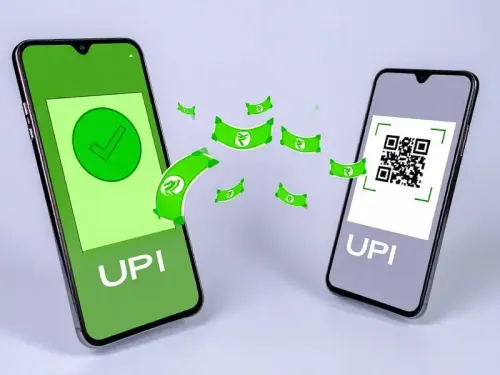
Singh also highlighted India's Unified Payments Interface (UPI) as a pivotal factor that positioned the country as a global leader in real-time payments — a status now widely recognised by international bodies and peer nations.
PhonePe CEO Backs the Vision
PhonePe CEO Sameer Nigam described Modi as a leading advocate for digital payments, startups, and the broader Digital India initiative. Nigam said government-backed programmes over the past 13 years had laid the groundwork for greater youth entrepreneurship across the country.
UPI Merchant Discount Rate: What It Means for Customers
Both executives addressed growing public questions around the proposed UPI Merchant Discount Rate (MDR). Nigam was unequivocal that end-users would not face any new charges. "Customers have never been charged for using UPI and they will not be charged in the future," he said.
Nigam clarified that small merchants with an annual turnover below ₹1 lakh would remain entirely outside the MDR framework. He added that 96% of transactions at large merchants fall below ₹2,000 and would not attract any proposed charge. For eligible merchant transactions above ₹2,000, an MDR of 0.4% would apply — and that cost would be borne by merchants, not customers.
Singh, meanwhile, argued that introducing a charge on eligible merchant transactions was necessary to improve the long-term sustainability of the payments ecosystem, which incurs real operational costs for banks and financial companies.
Broader Context: A Decade of Digital Growth
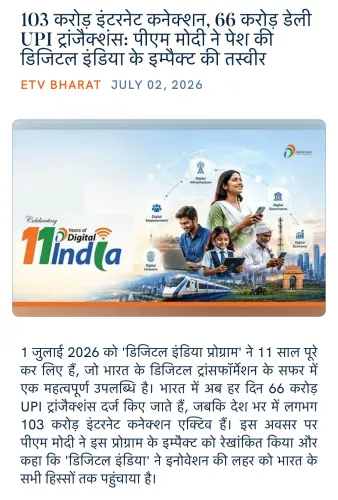
India's UPI platform now processes billions of transactions monthly and has been held up internationally as a model for developing economies. This comes amid ongoing global interest in replicating India's digital public infrastructure stack. Notably, the fintech sector's growth has coincided with a sharp decline in the unbanked population, a metric the government has cited as a key benchmark of financial inclusion progress.
With UPI MDR policy discussions ongoing and the fintech ecosystem continuing to scale, the decisions taken in the coming months are likely to shape the economics of digital payments for years ahead.
Point of View
But the UPI MDR clarifications embedded in them carry real policy weight. The assertion that 96% of large-merchant transactions fall below ₹2,000 — and thus outside the proposed charge — significantly narrows the MDR's practical scope and undercuts fears of widespread consumer impact. What the industry hasn't fully answered is whether a 0.4% levy on the remaining slice is enough to make the payments ecosystem truly self-sustaining, or merely a symbolic step toward viability. The sustainability question matters: UPI's global prestige rests partly on its zero-cost promise, and any fee structure, however limited, sets a precedent that will be hard to walk back.
NationPress
17 Sept 2026
Frequently Asked Questions
What did fintech leaders say about PM Modi on his 76th birthday?
CEOs of MobiKwik and PhonePe credited Modi's government with building India's digital payments and fintech ecosystem over the past 12–13 years, saying his initiatives expanded financial inclusion and created opportunities for young entrepreneurs.
Will UPI customers be charged under the proposed MDR?
No. PhonePe CEO Sameer Nigam confirmed that customers have never been charged for using UPI and will not be charged in the future. The proposed MDR applies only to eligible merchant transactions, not to end-users.
Which merchants will be affected by the proposed UPI MDR?
Small merchants with an annual turnover below ₹1 lakh are exempt from the MDR framework. For large merchants, 96% of transactions are below ₹2,000 and will not attract the charge. Only eligible transactions above ₹2,000 will face an MDR of 0.4%, payable by the merchant.
Why is the UPI Merchant Discount Rate being proposed?
MobiKwik CEO Bipin Preet Singh argued that introducing MDR on eligible merchant transactions is necessary to improve the long-term sustainability of the payments ecosystem, which involves real operational costs for banks and financial companies.
How has India's UPI performed globally?
India's UPI has positioned the country as a global leader in real-time payments, processing billions of transactions monthly. It is widely cited as a model for digital public infrastructure that other developing economies are looking to replicate.