PM Modi Marks 10 Years of UPI, Asks Indians to Share Their Stories

Synopsis
Prime Minister Narendra Modi marked ten years of UPI on 25 August 2026, calling it a turning point in India's digital payments journey and asking citizens to share how the system has changed their lives.
Key Takeaways
PM Modi posted on 25 August 2026 to mark #10YearsOfUPI , calling the system's scale and reach a source of national pride.
UPI was formally launched on 11 April 2016 by the National Payments Corporation of India (NPCI) and authorised by the Reserve Bank of India .
Demonetisation in November 2016 sharply accelerated UPI adoption by pushing consumers and merchants away from cash.
UPI has since expanded from peer-to-peer transfers to QR-based merchant payments and limited cross-border linkages with select countries.
The Prime Minister invited citizens to share personal UPI experiences, framing the system as a public achievement rather than a government scheme.
Ten years after a quiet but consequential launch, Unified Payments Interface (UPI) has reshaped how India pays — and on Tuesday, 25 August 2026, Prime Minister Narendra Modi marked the milestone by inviting every Indian to reflect on what that shift has meant for their lives.
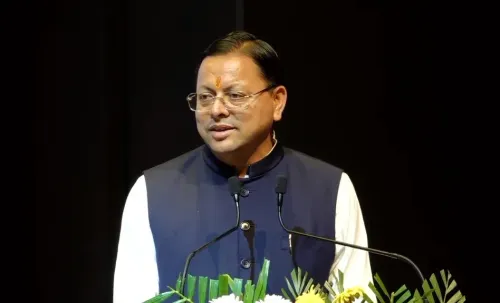
Writing under the hashtag #10YearsOfUPI, the Prime Minister called the rollout 'a major turning point in India's digital payments journey' and described the scale and reach of UPI as something 'every Indian must be proud of.' The post doubled as a direct appeal — asking citizens to share their personal UPI stories.
From a 2016 launch to a national payment rail
UPI was formally launched on 11 April 2016 by the National Payments Corporation of India (NPCI), the non-profit body that owns and operates India's core retail payment systems. The Reserve Bank of India authorised it under the Payment and Settlement Systems Act. The idea was straightforward but radical: let any smartphone user move money between bank accounts instantly, using a virtual payment address or a QR code — no card, no cash, no branch visit required.
The system got an unexpected accelerant just months later. Demonetisation in November 2016 — the overnight withdrawal of high-value currency notes — pushed millions of Indians toward digital alternatives almost overnight. UPI was ready. Adoption surged, and small merchants who had never considered going cashless began sticking QR codes to their counters.
A domestic rail that began crossing borders
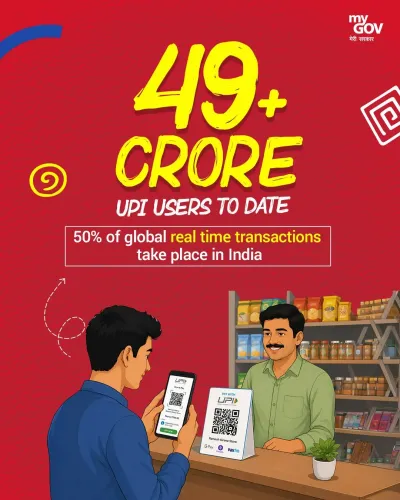
Over the decade, UPI evolved well beyond peer-to-peer transfers. It became the backbone of QR-based merchant payments across street vendors, kirana stores, and large retailers alike. More recently, India began extending UPI linkages to select partner countries, positioning the system as a potential template for cross-border retail payment infrastructure — a shift that carries both diplomatic and commercial weight.
The stakeholders are now vast: individual bank account holders, small and micro merchants, fintech platforms, and the banks themselves all sit on the same real-time rail built and maintained by NPCI under RBI oversight.
Why Modi's post signals more than nostalgia
A Prime Minister publicly soliciting citizen testimonials on a payment system's anniversary is not routine. It frames UPI as a lived public good — not a government scheme — and positions the next chapter (credit integration, wider international linkages, evolving data-localisation rules) as a story that belongs to ordinary Indians. The crowd-sourced narrative is the message. What comes next on UPI's policy roadmap will land on a decade of embedded habit.
Ten years in, the question is no longer whether India will pay digitally. It is how far that rail will reach.
Point of View
The BJP frames a decade of digital-payments policy as a grassroots transformation. The timing matters — with international UPI linkages expanding and credit integration on the horizon, the anniversary post doubles as political groundwork for the next phase. It also subtly reinforces the 'Digital India' brand at a moment when India is actively marketing its payment infrastructure to other nations as an exportable model.
NationPress
9 Oct 2026
Frequently Asked Questions
When was UPI launched in India?
UPI was formally launched on 11 April 2016 by the National Payments Corporation of India (NPCI) , with the Reserve Bank of India authorising it as a payment system.
What did PM Modi say about UPI's 10th anniversary?
On 25 August 2026 , PM Modi called UPI's rollout 'a major turning point in India's digital payments journey' and invited Indians to share their personal UPI experiences under #10YearsOfUPI .
Who runs and regulates UPI in India?
NPCI (National Payments Corporation of India) owns and operates UPI, while the Reserve Bank of India (RBI) regulates it under the Payment and Settlement Systems Act.
How did demonetisation affect UPI adoption?
Demonetisation in November 2016 — the withdrawal of high-value currency notes — drove millions of Indians toward digital payments almost overnight, giving UPI a major early boost in users and merchant acceptance.
Is UPI available in other countries?
Yes. India has begun extending UPI linkages to select partner countries, positioning the system as a cross-border retail payment rail, though full international rollout is still in progress.