Processed foods, sedentary lifestyles driving India's metabolic crisis: Expert
Synopsis
India's metabolic health is fracturing quietly — and it starts before birth. A senior gastroenterologist at AIG Hospitals warns that processed foods, chronic stress, and sedentary living are driving a silent epidemic of fatty liver and obesity, with childhood rates already at 15–18% and the damage beginning in the womb.
Key Takeaways
Kalapala of AIG Hospitals, Hyderabad warned on 4 August that India faces a deepening metabolic health crisis driven by processed foods and sedentary lifestyles.
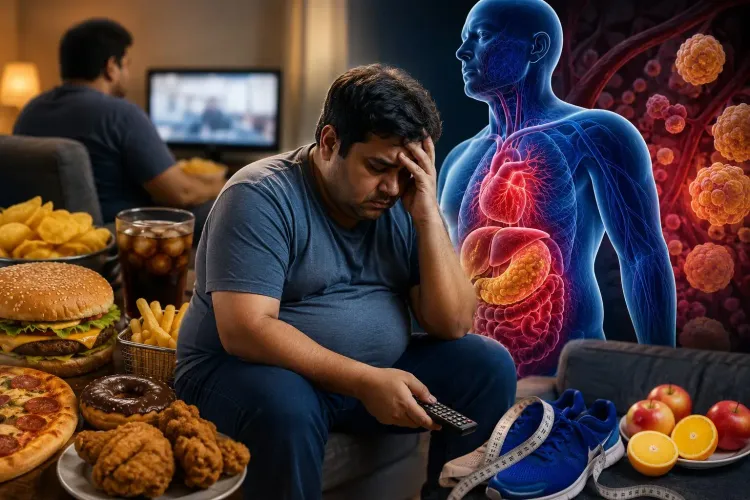
Processed foods high in refined carbs and bad fats cause delayed satiety, increasing cravings and leading to weight gain, fatty liver, and diabetes .
Fatty liver remains silent until detected by ultrasound or liver function tests — by which point damage has often already occurred.
Childhood obesity in India has reached 15 to 18 percent , according to ICMR and National Family Health Survey data.
The crisis can begin in the womb : maternal obesity during pregnancy is linked to obesity in the child from birth.
Chronic stress worsens the crisis through the gut-brain axis , increasing cravings and suppressing physical activity.
India's metabolic health is under severe strain, driven by a dramatic shift toward processed foods, increasingly sedentary daily routines, and rising stress levels, according to Dr. Kalapala, Consultant Gastroenterologist and Director of the Centre for Obesity and Metabolic Therapy at Asian Institute of Gastroenterology (AIG Hospitals), Hyderabad. Speaking on Tuesday, 4 August, the specialist warned that obesity must no longer be treated as a standalone condition but recognised as a complex metabolic disease with systemic consequences from head to toe.
The Processed Food Problem
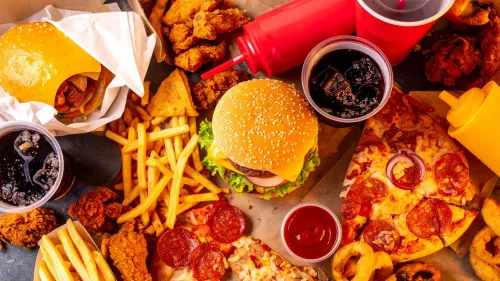
Dr. Kalapala pointed to the dominance of heavily processed foods across both urban and rural Indian markets as a primary driver of the crisis. These products, he noted, are typically high in refined carbohydrates, unhealthy fats, and added sugars — while being critically low in protein.
'The processed food itself will increase cravings because of delayed satiety,' said Dr. Kalapala, who serves as Vice Chair of American Bariatric Endoscopy and is a Fellow of American, European and Japanese Endoscopy Societies. 'Once you consume these foods, which have high carbs, high fats, and that too bad fats with no proteins, this will take a toll on the metabolic health of the body, leading to weight gain, fatty liver, diabetes, and other systemic involvement.'
Fatty Liver: The Silent Threat
A particularly alarming dimension of the crisis, according to Dr. Kalapala, is the silent progression of fatty liver disease. He emphasised that even individuals who are strict vegetarians and abstain from alcohol and tobacco are not immune to metabolic disorders.
'Because of this food change, sedentary lifestyle, and widespread stress, it leads to metabolic changes, mainly fatty liver,' he explained. 'The liver, when it contains fat, remains silent until detected through ultrasound or liver function tests. By the time a person knows, the liver is already damaged.'
This comes amid growing clinical evidence that non-alcoholic fatty liver disease (NAFLD) is rising sharply across South Asia, with India increasingly at the epicentre.
Stress and the Gut-Brain Axis
Dr. Kalapala also highlighted the role of chronic psychological stress in worsening the metabolic outlook. Through the gut-brain axis, stress not only increases appetite and cravings but also actively discourages physical activity — creating a compounding cycle that accelerates weight gain and metabolic dysfunction. 'Stress is something which will precipitate and make people crave more and eat more,' he noted.
Childhood Obesity: The Crisis Starts in the Womb
Citing data from ICMR and the National Family Health Survey, Dr. Kalapala flagged that childhood obesity rates in India have reached between 15 and 18 percent — a figure that underscores the intergenerational nature of the problem.
Crucially, he argued that the roots of childhood obesity often begin before birth. 'If the mother is overweight during pregnancy, the same thing transmits to the fetus, and then the child who is born — from then itself childhood obesity starts,' he said. Children then face compounding pressures: academic stress and a lack of physical infrastructure such as school playgrounds push them into their teenage years already carrying significant metabolic burdens.
As India's processed food market continues to expand and screen time rises across age groups, experts warn that without urgent public health intervention, the metabolic disease burden could overwhelm the healthcare system within a generation.
Point of View
Widely available, and engineered to override satiety signals, yet public health policy has been slow to respond with front-of-pack labelling, sugar taxes, or school food standards. The intergenerational transmission angle — obesity beginning in the womb — is particularly underreported and suggests that treating adults alone will not bend the curve. India needs a metabolic health strategy that starts with maternal nutrition and school infrastructure, not just individual behaviour change campaigns.
NationPress
4 Aug 2026
Frequently Asked Questions
What is driving India's metabolic health crisis?
According to Dr. Kalapala of AIG Hospitals, the primary drivers are the widespread consumption of processed foods high in refined carbohydrates and unhealthy fats, increasingly sedentary lifestyles, and chronic stress. Together, these factors are fuelling rising rates of obesity, fatty liver disease, and diabetes across both urban and rural India.
Why is fatty liver disease particularly dangerous in this context?
Fatty liver disease is dangerous because it progresses silently — showing no symptoms until detected through ultrasound or liver function tests, by which point significant damage may already have occurred. Dr. Kalapala noted that even non-drinkers and strict vegetarians are being diagnosed, making it a broader public health concern than previously recognised.
How serious is childhood obesity in India?
Childhood obesity rates in India have reached between 15 and 18 percent, according to data from ICMR and the National Family Health Survey cited by Dr. Kalapala. He also highlighted that the condition can begin in the womb if the mother is overweight during pregnancy, compounding the challenge.
How does stress contribute to metabolic disease?
Chronic stress acts through the gut-brain axis to increase food cravings and caloric intake while simultaneously discouraging physical activity, creating a cycle that accelerates weight gain and metabolic dysfunction. Dr. Kalapala described stress as something that 'will precipitate and make people crave more and eat more.'
Who is most at risk from India's processed food crisis?
While urban populations are most exposed, Dr. Kalapala noted that processed foods now dominate markets in rural areas as well, making the risk nationwide. Children are especially vulnerable, facing compounding pressures from poor school food environments, lack of playgrounds, and academic stress on top of dietary risks.