Has Rabi Crop Sowing Surpassed 536 Lakh Hectares?
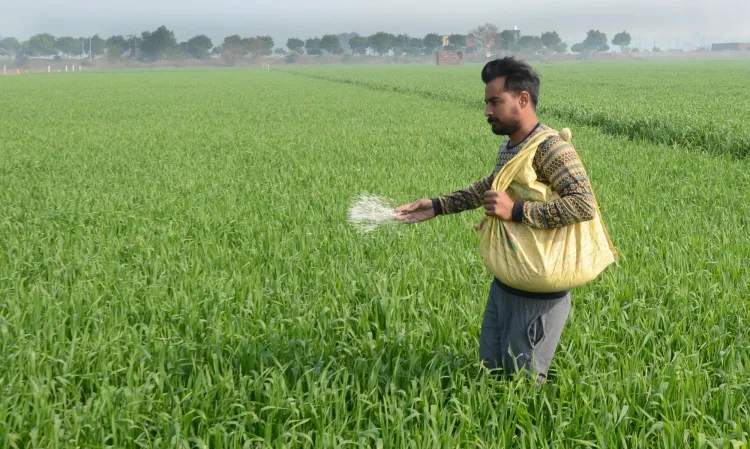
Synopsis
Discover the latest updates on rabi crop sowing in India, with significant increases in acreage this winter season. The Ministry of Agriculture and Farmers Welfare has reported a surge in total sown area, promising higher yields and better incomes for farmers. Find out how these developments could impact food inflation and agricultural profitability.
Key Takeaways
Total area sown under rabi crops has reached **536.76 lakh hectares**.
Increase in wheat area by **17.18 lakh hectares** to **275.66 lakh hectares**.
Area sown with pulses has risen to **117.11 lakh hectares**.
MSP increases aim to ensure fair pricing for farmers.
Better monsoon rains have enabled more extensive sowing.
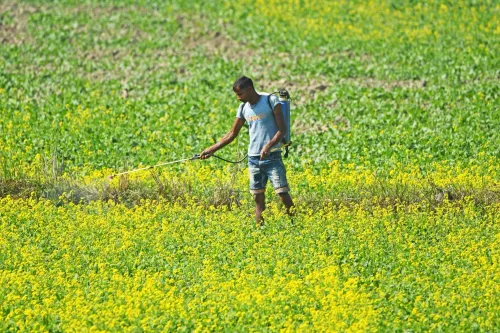
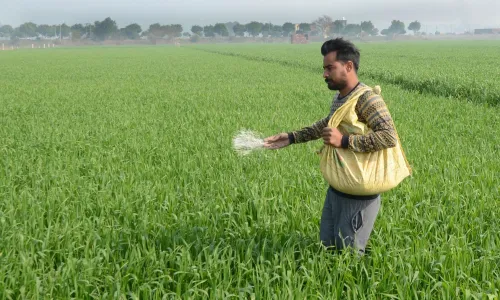
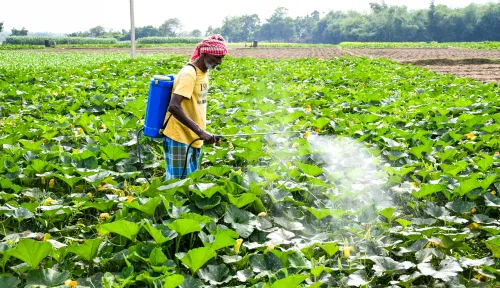
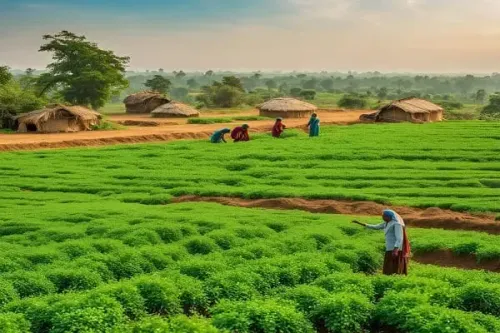
New Delhi, Dec 16 (NationPress) The total area planted with rabi crops this winter season has witnessed a growth of 24 lakh hectares, reaching 536.76 lakh hectares as of December 5, 2023. This is an increase from 512.76 lakh hectares during the same timeframe last year, according to data released by the Ministry of Agriculture and Farmers Welfare on Tuesday.
This expansion in sown area is anticipated to facilitate higher production, which would subsequently boost farmers' incomes and aid in controlling food inflation.
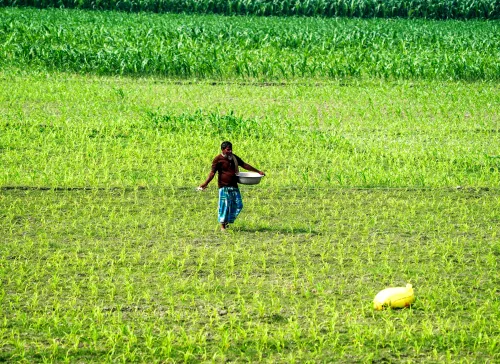
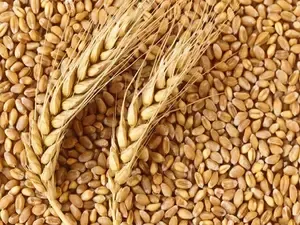
Official statistics indicate that the area designated for wheat has surged by 17.18 lakh hectares, totaling 275.66 lakh hectares, compared to 258.48 lakh hectares during the same period last year.
The sown area for pulses, including urad, lentils (masur), and moong, has risen to 117.11 lakh hectares, up from 115.41 lakh hectares in the comparable period last year.
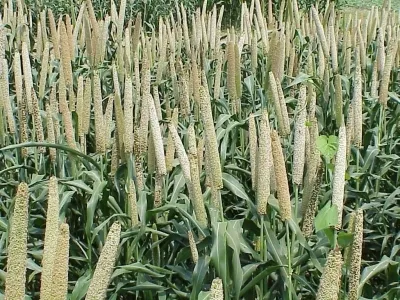
Furthermore, the land utilized for coarse cereals or millets, such as jowar, bajra, and ragi, has expanded by 0.64 lakh hectares to 41.77 lakh hectares this season, compared to 41.13 lakh hectares last year.
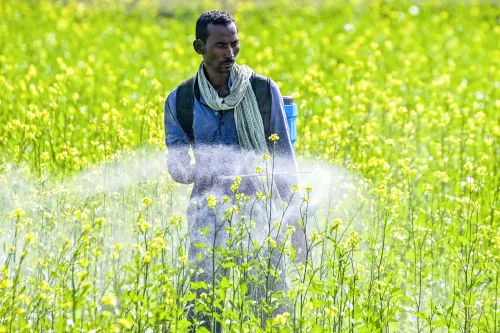
The area for oilseeds, including rapeseed and mustard, has grown by 2.7 lakh hectares, now reaching 89.79 lakh hectares, up from 87.1 lakh hectares the previous year.
This increase in sown area can be attributed to improved monsoon rains, which have facilitated sowing in unirrigated regions that account for nearly 50% of India's farmland.
On October 1, the Cabinet Committee on Economic Affairs (CCEA) approved an increase in minimum support prices (MSP) for all mandated rabi crops for the 2026-27 marketing season to ensure that farmers receive fair prices for their products.
These minimum support prices are announced well in advance of the sowing season, allowing farmers to develop their cropping strategies to maximize revenue.
The most substantial MSP increase has been set for safflower at Rs. 600 per quintal, followed by lentil (masur) at Rs 300 per quintal. The increases for rapeseed & mustard, gram, barley, and wheat are Rs 250, Rs 225, Rs 170, and Rs 160 per quintal, respectively.
The MSP enhancements for mandated rabi crops for the 2026-27 marketing season align with the Union Budget 2018-19 commitment to set MSP at a minimum of 1.5 times the All-India weighted average cost of production. The anticipated margin over this cost is 109% for wheat, 93% for rapeseed & mustard, 89% for lentil, 59% for gram, 58% for barley, and 50% for safflower. This increased MSP for rabi crops will ensure that farmers receive profitable prices and encourage crop diversification.
The production costs for these crops encompass all expenses incurred, including hired labor, machine labor, land rental, material inputs like seeds and fertilizers, irrigation charges, depreciation on farm equipment, and additional miscellaneous costs, as stated in the official report.
Point of View
It is evident that the growth in rabi crop sowing is a positive indicator for India's agricultural sector. This trend not only promises increased production but also supports farmers' livelihoods while contributing to food security. The government's proactive measures in enhancing MSP reflect a commitment to ensuring fair compensation for growers, thus fostering a more sustainable and resilient agricultural ecosystem.
NationPress
24 Sept 2026
Frequently Asked Questions
What are rabi crops?
Rabi crops are sown in winter and harvested in spring. Examples include wheat, barley, and pulses.
How much area is currently sown with rabi crops?
As of December 5, 2023, the area sown with rabi crops has reached 536.76 lakh hectares.
What is the significance of the MSP increase?
The increase in Minimum Support Prices (MSP) helps ensure that farmers receive fair compensation for their produce, promoting better livelihoods.
Why is the increase in sown area important?
A larger sown area is expected to lead to higher production, ultimately benefiting farmers and aiding in controlling food inflation.
What factors contributed to the increase in sown area?
Improved monsoon rains have facilitated sowing in unirrigated areas, which make up a significant portion of Indian farmland.