Wagon Design Policy overhaul: Vaishnaw sets strict quality standards for India's freight rail

Synopsis
Indian Railways is set to overhaul its Wagon Design Policy within 15 days, allowing industries to propose customised wagon designs for the first time — while keeping safety oversight firmly with RDSO and CCRS. With cement and salt wagons already proving the model, the Centre is betting that tailored freight solutions can pull high-value cargo away from road and onto rail.
Key Takeaways
Railway Minister Ashwini Vaishnaw announced a Wagon Design Policy overhaul on 25 June at a review meeting in New Delhi .
Industries will be allowed to propose customised wagon designs based on their operational requirements for the first time.
The revised policy is expected to be finalised within 15 days .
Safety oversight will remain with RDSO and the Chief Commissioner of Railway Safety (CCRS) .
Specialised wagons for cement and salt have already demonstrated improved logistics efficiency, serving as a model for the broader reform.
The move follows extensive consultations with industries, trade associations, and major freight customers.
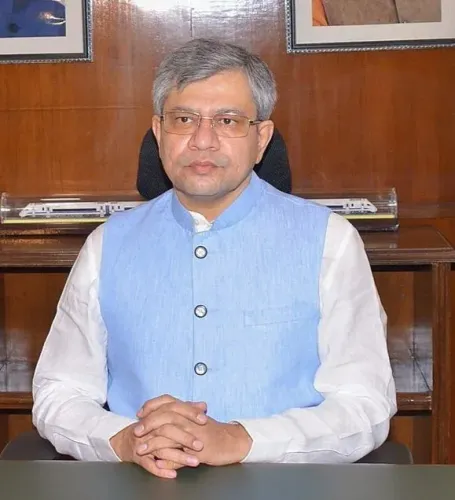
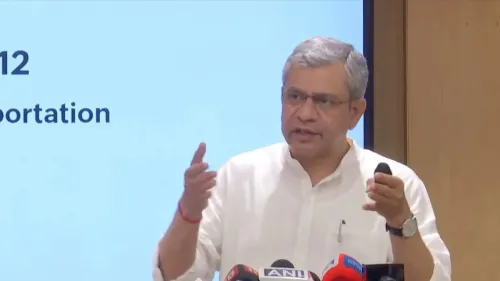
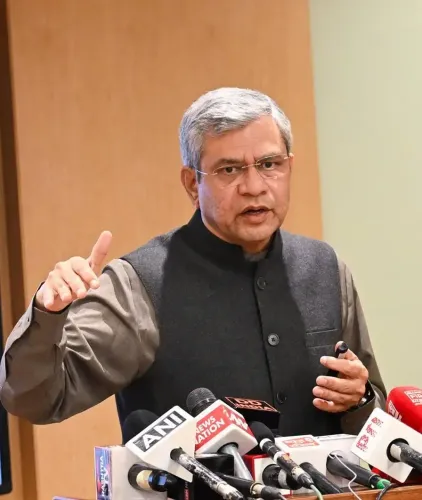
Union Railway Minister Ashwini Vaishnaw on Thursday, 25 June announced that strict standards for design approval and prototype development will underpin a sweeping overhaul of Indian Railways' wagon design framework, aimed at positioning rail as the preferred freight mode for a wider range of commodities. The minister chaired a high-level review meeting in New Delhi with senior railway officials to map out the reforms.
Key Reforms in the New Wagon Design Policy
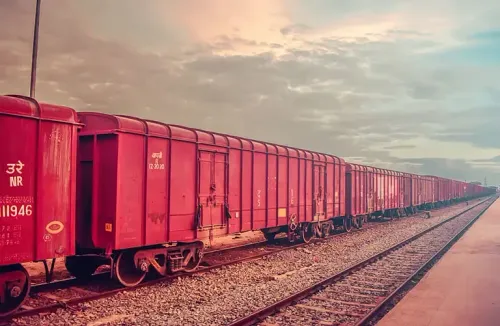
The Railway Board has decided to introduce significant changes to the existing Wagon Design Policy, making it more industry-friendly and encouraging the development of specialised wagons tailored to specific commodities. Under the proposed framework, industries will be permitted to design wagons based on their own operational requirements. The revised policy is expected to be finalised within 15 days.
Vaishnaw underscored that different commodities demand different handling, loading, unloading, and transportation systems, making customised wagon designs essential for improving logistics efficiency across the supply chain.
Safety Oversight Stays with RDSO and CCRS
While industries gain the flexibility to propose wagon design modifications, the responsibility for enforcing safety standards will remain with the Research Designs and Standards Organisation (RDSO) and the Chief Commissioner of Railway Safety (CCRS). This dual-track approach — industry-led innovation within a regulator-enforced safety envelope — is central to the policy's architecture.
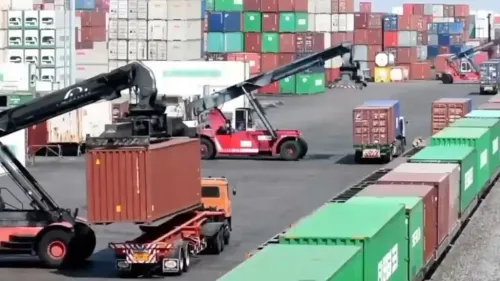
The minister cited steel coil transportation as a case in point, noting that it requires specialised binding arrangements and dedicated loading and unloading systems. Several other commodities, he said, have similarly distinct operational requirements that customised wagon designs can address.
Industry Consultations and Proven Precedents
The policy overhaul follows extensive consultations by Indian Railways with industries, trade associations, and major freight customers. Industry representatives reportedly emphasised that customised wagon designs could significantly expand rail's share of freight for multiple commodities.
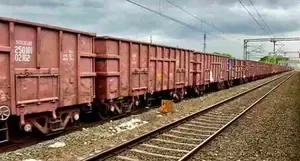
Officials pointed to the successful deployment of specialised wagons for cement and salt transportation as proof of concept. Those wagons have already improved operational efficiency and made rail-based logistics more attractive for those sectors — a template the new policy seeks to replicate at scale.
What This Means for India's Freight Ecosystem
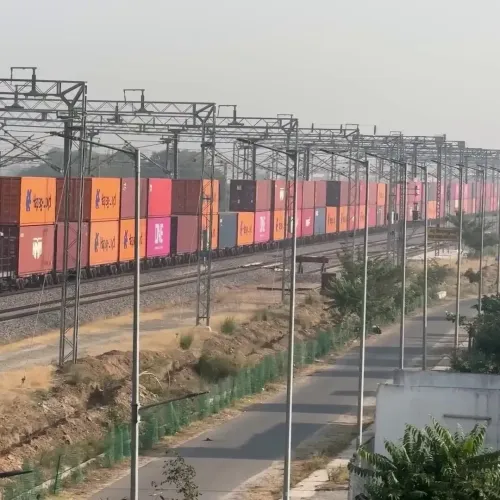
The reforms are expected to encourage innovation and facilitate the entry of new industries into the railway freight ecosystem. This comes amid broader efforts by the Centre to shift freight away from road and onto rail, reducing logistics costs and carbon intensity. Notably, Indian Railways handles roughly 35% of the country's freight by volume, but its share of high-value, specialised cargo has remained limited — a gap the new policy directly targets.
With the finalised policy expected within a fortnight, industry bodies and freight customers will be watching closely to see how quickly prototype approvals and safety certifications follow.
Point of View
But the 15-day finalisation timeline deserves scrutiny — past Indian Railways policy rollouts have often slipped on implementation even when the intent was clear. The real bottleneck will be prototype approval speeds at RDSO, which has historically been a chokepoint for rolling-stock innovation. Cement and salt wagons are a genuine proof of concept, but they are relatively simple commodity profiles; steel coils, chemicals, and perishables are a different engineering challenge. Whether RDSO can scale its approval bandwidth to match the ambition of an open-design framework is the question mainstream coverage is not asking.
NationPress
24 Sept 2026
Frequently Asked Questions
What is the Indian Railways Wagon Design Policy overhaul announced by Ashwini Vaishnaw?
It is a reform to the existing Wagon Design Policy, announced on 25 June, that will allow industries to propose customised wagon designs based on their specific operational needs. The revised policy is expected to be finalised within 15 days, with safety oversight retained by RDSO and CCRS.
Why is Indian Railways changing its wagon design framework?
The overhaul aims to make rail the preferred freight mode for a wider range of commodities by enabling specialised wagon designs tailored to different handling, loading, and transportation requirements. The change follows consultations with industries, trade associations, and major freight customers who flagged that rigid wagon standards limited rail's freight appeal.
Who will ensure safety standards under the new wagon design policy?
Safety standards will remain the responsibility of the Research Designs and Standards Organisation (RDSO) and the Chief Commissioner of Railway Safety (CCRS), even as industries gain the flexibility to propose design modifications.
Which commodities have already benefited from specialised wagon designs?
Cement and salt transportation have seen improved operational efficiency through specialised wagons, and these deployments are cited as the model for the broader policy reform. Steel coil transportation — which requires specialised binding and dedicated loading systems — is among the next targets.
When will the new Wagon Design Policy be finalised?
The revised Wagon Design Policy is expected to be finalised within 15 days of the 25 June announcement, according to Railway Minister Ashwini Vaishnaw.