South Korean Tech Titans Grapple with Rising Production Costs Amid Supply Chain Issues
Synopsis
As inflation rises, South Korean tech giants like Samsung and LG face escalating production costs in 2025, driven by supply chain challenges linked to Middle East tensions. Discover how these factors are reshaping the industry and prompting major companies to adapt.
Key Takeaways
Production costs are rising for South Korean tech giants due to inflation.
The ongoing Middle East tensions exacerbate supply chain issues.
Samsung Electronics spent 99.94 trillion won on materials in 2025.
LG Electronics reported a 5.6 percent increase in raw material costs.
Samsung maintains a 21.7 percent share in the global soundbar market.
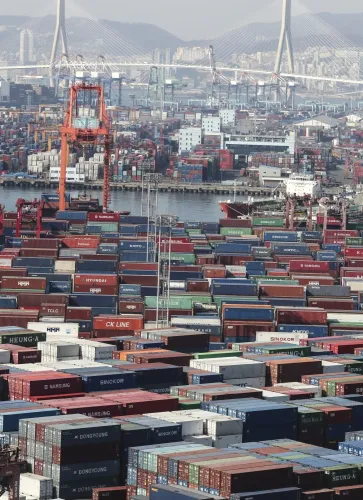
Seoul, March 15 (NationPress) In 2025, South Korean technology leaders encountered increased manufacturing expenses due to inflation, according to data released on Sunday. The ongoing supply chain disruptions, exacerbated by tensions in the Middle East, are anticipated to intensify these pressures this year.
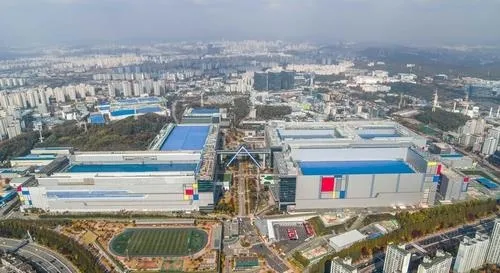
A recent regulatory disclosure from Samsung Electronics Co. revealed that the company invested 99.94 trillion won in raw materials during 2025, marking an increase of 8.8 percent, or 8 trillion won, compared to the previous year. Notably, this figure does not account for Samsung Display Co., its fully owned subsidiary.
The significant uptick is largely attributed to the Device Experience (DX) division, which encompasses mobile and television operations, with this segment alone spending 74.5 trillion won on raw materials—an increase of nearly 7 trillion won from the prior year, as reported by Yonhap news agency.
Similarly, LG Electronics Inc. reported expenditures of 17.4 trillion won on raw materials in 2025, reflecting a 5.6 percent rise from 2024.
Market analysts have indicated that the ongoing U.S.-Iran conflict is likely to contribute to rising oil and logistics expenses this year, ultimately imposing greater financial burdens on technology firms.
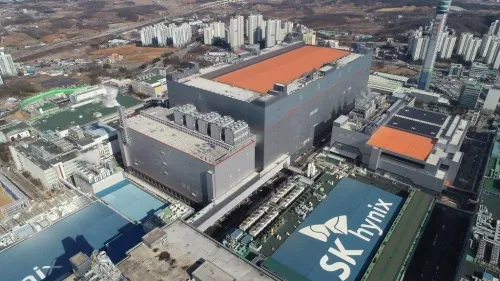
Tech manufacturers are already grappling with escalating pressures due to rising memory prices linked to the artificial intelligence (AI) surge.
“As the Middle East turmoil compounds existing challenges, leading companies are taking emergency management actions, such as enhancing production efficiency through AI integration and implementing cost-cutting measures,” noted an industry representative.
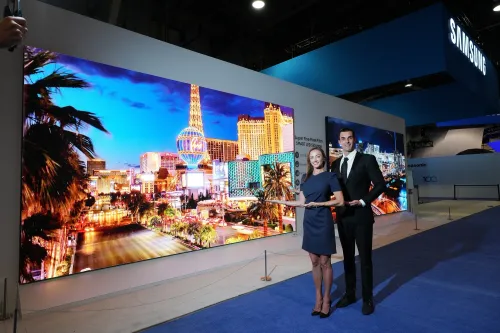
In a separate development, Samsung Electronics has maintained its leadership position in the global soundbar market for the 12th consecutive year, as per data released on Sunday, thanks to its innovative audio technology.
According to figures from market research firm Future Source, Samsung's soundbars captured 21.7 percent of the global market share by revenue in 2025.
This achievement is attributed to the advanced features of its products, including Q-Symphony, which allows users to enjoy audio from both soundbars and TV speakers simultaneously.
“Samsung's ongoing success in the soundbar sector is fueled by cutting-edge audio technology, immersive sound experiences, and seamless compatibility with Samsung televisions,” the company stated in a press release.
Point of View
With rising production costs due to inflation and supply chain disruptions. Companies are adapting through strategic measures to enhance efficiency, reflecting a proactive approach to navigating these turbulent times while maintaining market leadership.
NationPress
13 Oct 2026
Frequently Asked Questions
What factors are driving up production costs for South Korean tech companies?
Inflation and supply chain disruptions, particularly stemming from tensions in the Middle East, are key factors increasing production costs for companies like Samsung and LG.
How much did Samsung spend on raw materials in 2025?
Samsung Electronics reported spending 99.94 trillion won on raw materials in 2025, marking an 8.8 percent increase from the previous year.
What impact is the U.S.-Iran conflict having on the tech industry?
The U.S.-Iran conflict is expected to lead to higher oil and logistics costs, further burdening tech companies already facing rising expenses.
What position does Samsung hold in the global soundbar market?
Samsung Electronics has maintained its position as the leader in the global soundbar market for the 12th consecutive year, holding 21.7 percent of the market share by revenue.
What strategies are companies using to cope with rising costs?
Companies are implementing emergency management measures, including improving production efficiency through AI transformation and reducing costs.