Rupee surges 58 paise to 94.60 as US-Iran deal crashes crude prices

Synopsis
A surprise US-Iran peace deal and the reopening of the Strait of Hormuz sent crude oil into a 5 per cent freefall on Monday, propelling the Indian rupee 58 paise higher to 94.60 — its second consecutive session of sharp gains. With inflation below the RBI's target and dollar sentiment softening, the rupee has rare tailwinds, but a Fed policy decision looms as the next major test.
Key Takeaways
The Indian rupee gained 58 paise to 94.60 against the US dollar on 15 June , its second consecutive session of strong appreciation.
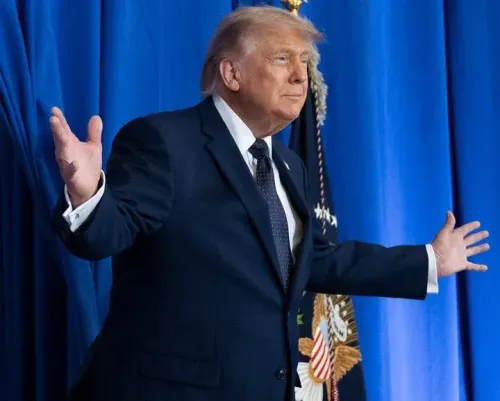
US President Donald Trump announced a US-Iran peace deal on Truth Social , with formal signing expected in Switzerland this week.
Brent crude fell nearly 5 per cent to $83 per barrel ; US WTI dropped over 5 per cent to $80 per barrel .
India's inflation stood at 3.9 per cent in May , below the RBI's 4 per cent target, supporting macro stability.
The RBI has revived an NRI deposit window to attract dollar inflows and bolster the rupee.
Sensex and Nifty each rose more than 1 per cent in early trade; markets now await the US Fed policy decision.
The Indian rupee surged 58 paise to 94.60 against the US dollar on Monday, 15 June, after US President Donald Trump announced that Washington and Tehran had finalised a peace agreement and agreed to reopen the Strait of Hormuz, triggering a sharp slide in global crude oil prices. The domestic currency opened at 94.70 in the interbank foreign exchange market before strengthening further to 94.60.
The US-Iran Deal That Moved Markets
The US and Iran have reportedly reached an agreement to end hostilities and reopen the Strait of Hormuz — the strategic waterway through which nearly one-fifth of the world's crude oil supplies are transported. According to reports, the deal is expected to be formally signed in Switzerland later this week.
Posting on Truth Social, President Trump declared: 'The Deal with the Islamic Republic of Iran is now complete. Congratulations to all.' He added that the agreement would facilitate the reopening of the Strait of Hormuz and the removal of the US naval blockade.
Crude Oil Tumbles, Rupee Gains
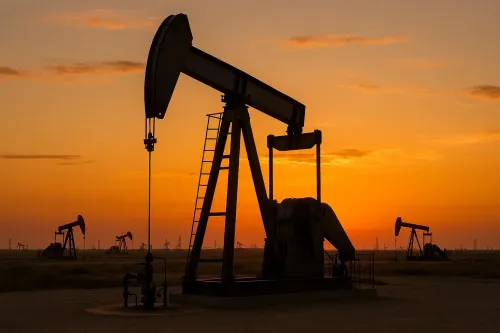
Brent crude — the global oil benchmark — fell nearly 5 per cent to $83 per barrel, while US WTI dropped more than 5 per cent to $80 per barrel. For India, one of the world's largest crude importers, lower oil prices directly ease the import bill and reduce pressure on the current account deficit, according to market experts.
In the previous session, the rupee had already settled 67 paise higher at 95.18 against the dollar, reflecting earlier optimism around the diplomatic breakthrough.
Broader Macro Tailwinds
Currency analysts noted that softer US dollar sentiment, declining US Treasury yields, and improving risk appetite across Asian markets have provided additional support to regional currencies, including the rupee. Domestically, India's inflation rose to 3.9 per cent in May — below the Reserve Bank of India (RBI)'s 4 per cent target — lending macroeconomic stability to the currency's outlook.
Experts also pointed to the RBI's recent steps to attract dollar inflows, including the revival of an NRI deposit window, as a further structural support for the rupee.
Equities Join the Rally
Domestic equity benchmarks mirrored the currency's gains. Both the Sensex and the Nifty advanced more than 1 per cent in early trade on Monday, buoyed by the fall in crude prices and improved global sentiment.
Key Risk: Fed Policy Ahead
Market participants are closely watching the upcoming US Federal Reserve policy decision and remarks from Fed Chair Kevin Warsh for signals on the future direction of US interest rates. Any hawkish surprise could cap the rupee's near-term gains, analysts cautioned. The durability of the US-Iran accord — and its implementation timeline — will also be a critical variable for crude and currency markets in the sessions ahead.
Point of View
125-paise rally is geopolitics doing what monetary policy alone could not. A US-Iran deal that reopens the Strait of Hormuz structurally reduces India's single largest import cost — crude oil — and the currency is pricing that in fast. What mainstream coverage underplays is the compounding effect: lower oil simultaneously compresses the current account deficit, eases retail inflation, and gives the RBI room to cut rates further without rupee risk. The real uncertainty is durability — Trump-era deals have a history of reversals, and any sign of implementation friction in Switzerland could unwind these gains quickly. Markets are right to stay cautious ahead of the Fed decision.
NationPress
22 Sept 2026
Frequently Asked Questions
Why did the Indian rupee surge 58 paise on 15 June?
The rupee surged 58 paise to 94.60 against the US dollar on 15 June after US President Donald Trump announced a peace deal between Washington and Tehran, triggering a sharp fall in global crude oil prices. Lower oil prices reduce India's import bill, easing pressure on the current account deficit and strengthening the rupee.
What is the US-Iran peace deal and how does it affect India?
The US and Iran have reportedly agreed to end hostilities and reopen the Strait of Hormuz, through which nearly one-fifth of global crude oil supplies pass. For India, a major crude importer, the resulting fall in oil prices reduces the import bill, narrows the current account deficit, and supports the rupee.
How much did crude oil prices fall after the US-Iran deal?
Brent crude fell nearly 5 per cent to $83 per barrel, while US WTI dropped more than 5 per cent to $80 per barrel following the announcement of the US-Iran agreement.
What other factors are supporting the Indian rupee?
Beyond the crude oil decline, analysts cite softer US dollar sentiment, falling US Treasury yields, improving Asian market risk appetite, India's below-target inflation of 3.9 per cent in May, and the RBI's revival of an NRI deposit window to attract dollar inflows.
What risks could reverse the rupee's gains?
The primary risk is the upcoming US Federal Reserve policy decision and commentary from Fed Chair Kevin Warsh. A hawkish signal on US interest rates could strengthen the dollar and cap the rupee's near-term rally. The pace of implementation of the US-Iran accord is also a key variable.