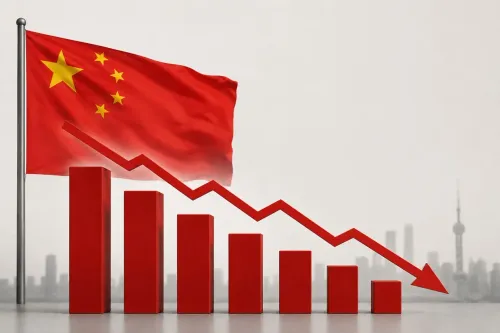
Russia-China trade falls 7% in 2025 as oil, car exports slump
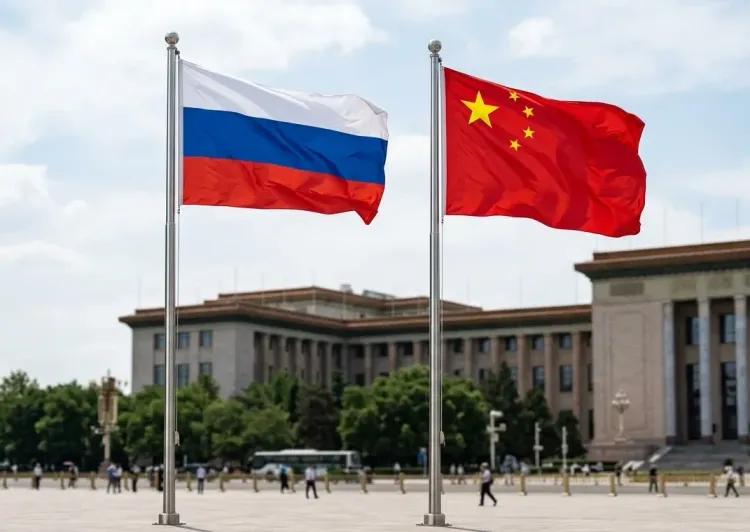
Synopsis
Despite the 'no-limits' partnership rhetoric, Russia-China trade shrank 7% in 2025 to $227.6 billion — the first contraction since 2020. Russian oil exports to China fell 20%, Chinese car shipments collapsed 44%, and structural limits are now visible: Beijing is diversifying energy sources, and Moscow is pushing domestic manufacturing. The numbers are quietly rewriting the narrative of a sanctions-proof alliance.
Key Takeaways
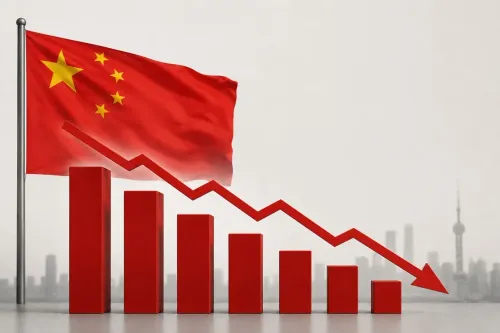
Russia-China trade fell 7 per cent in 2025 to $227.6 billion — the first annual contraction since 2020 .
Russian exports to China declined 3.9 per cent to $124.8 billion ; Chinese exports to Russia dropped 10.4 per cent to $103.3 billion .
Russian oil exports to China fell 20 per cent ; petroleum products dropped 33 per cent ; coal shipments declined 27 per cent .
Chinese passenger car exports to Russia collapsed 44 per cent ; truck exports fell 67 per cent .
The slowdown is attributed to lower global oil prices, China's energy diversification strategy, and Russia's push for domestic manufacturing localisation.
Russia-China bilateral trade contracted by 7 per cent in 2025 to $227.6 billion, marking the first annual decline since 2020, even as both governments publicly champion a 'no-limits' strategic partnership, according to a report by The Moscow Times. The data exposes a widening gap between political rhetoric and economic reality in one of the world's most closely watched bilateral relationships.
Scale of the Decline
Russian exports to China fell 3.9 per cent to $124.8 billion, while Chinese exports to Russia dropped a steeper 10.4 per cent to $103.3 billion. The contraction was broad-based across both energy and manufactured goods — the two pillars of the post-2022 trade surge that followed Moscow's rupture with Western economies.
On the Russian side, oil exports to China fell 20 per cent, petroleum product shipments declined 33 per cent, and coal exports dropped 27 per cent. These three categories had been the engine of Russia's trade pivot to Asia after European buyers pulled back.
Chinese Exports Hit Harder
The decline in Chinese exports to Russia was sharper in percentage terms. Passenger car shipments — which had surged as Western automakers exited the Russian market — fell 44 per cent. Truck exports collapsed 67 per cent. Telecom equipment and computer shipments also recorded significant declines, according to the report.
This comes amid Moscow's push to localise manufacturing, particularly in the automobile sector, reducing its dependence on Chinese imports. The Russian market, the report noted, is reportedly nearing saturation for Chinese industrial goods.
Why the Relationship Is Hitting Structural Limits
The report attributed the slowdown to three converging factors: lower global oil prices compressing the value of Russian energy exports, China's deliberate diversification of energy import sources, and Russia's domestic manufacturing push. Notably, China has been expanding energy procurement from the Middle East, Africa, and Central Asia to avoid over-reliance on any single supplier.
'China was seeking to diversify energy imports rather than become too dependent on Russia, while the Russian market itself was nearing saturation for Chinese industrial goods,' the report stated.
This is the first contraction in Russia-China trade since 2020, reversing a period of sharp expansion that began after Western sanctions pushed Moscow to pivot eastward. At its peak, the relationship was hailed by both sides as a model of sanctions-proof economic partnership.
Political Ties Remain Intact
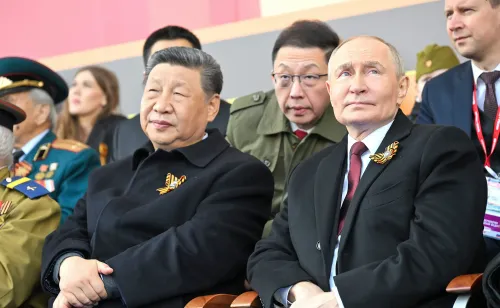
The trade data emerged against the backdrop of Russian President Vladimir Putin's recent visit to China, during which both governments emphasised deepening cooperation and robust economic engagement. The disconnect between official statements and trade figures underscores the complexity of a relationship driven as much by geopolitical necessity as by genuine economic complementarity.
Analysts caution that any near-term recovery in bilateral trade may not signal sustained momentum, given the structural constraints on both sides. With Beijing committed to energy diversification and Moscow pushing import substitution, the ceiling on the current trade model appears to be coming into view.
Point of View
The push for manufacturing localisation — however nascent — signals that Moscow recognises the risk of swapping Western dependency for Chinese dependency. The 'no-limits' partnership is real at the diplomatic level, but trade data increasingly suggests it has very visible limits at the economic one. Mainstream coverage tends to treat the alliance as monolithic; the numbers tell a more complicated story.
NationPress
21 Sept 2026
Frequently Asked Questions
Why did Russia-China trade decline in 2025?
Russia-China trade fell 7 per cent in 2025 to $227.6 billion due to lower global oil prices, China's deliberate diversification of energy imports away from Russia, and Moscow's push to localise manufacturing. It was the first annual contraction in the bilateral relationship since 2020.
By how much did Russian energy exports to China fall?
Russian oil exports to China declined 20 per cent, petroleum product shipments fell 33 per cent, and coal exports dropped 27 per cent in 2025, according to the report. These categories had been the backbone of Russia's post-2022 trade pivot to Asia.
How much did Chinese car exports to Russia drop?
Chinese passenger car exports to Russia fell 44 per cent in 2025, while truck exports collapsed 67 per cent. The decline reflects both market saturation in Russia and Moscow's push to localise automobile manufacturing.
Does the trade decline affect the Russia-China political partnership?
Political ties between Moscow and Beijing remain close, with President Vladimir Putin's recent visit to China reaffirming cooperation. However, the trade contraction reveals a growing gap between diplomatic rhetoric and economic reality, with structural limits emerging on both sides.
Is the Russia-China trade relationship likely to recover?
The report cautions that any near-term recovery may not signal sustained momentum. China's energy diversification strategy and Russia's saturation in Chinese industrial goods imports point to structural constraints that are unlikely to reverse quickly.