S. Korea household loans climb 2.44 trillion won in November

Synopsis
South Korean households are still borrowing despite tighter rules and a rate hike to 3.25%, the highest since October 2024. Loans at the five biggest banks rose 2.44 trillion won in November, and mortgages climbed for an eighth straight month, raising doubts about how well Seoul's tightening is working.
Key Takeaways
Household loans at South Korea's five major banks rose 2.44 trillion won to 786.49 trillion won in November , a second straight monthly gain.
Mortgage loans rose 1.43 trillion won to 624.53 trillion won , an eighth consecutive monthly increase since April .
Credit loans rose 896 billion won to 109.8 trillion won .
Loans fell 1.29 trillion won in September before rising 2.77 trillion won in October .
The Bank of Korea raised its key rate to 3.25 percent last week, the highest since October 2024 .
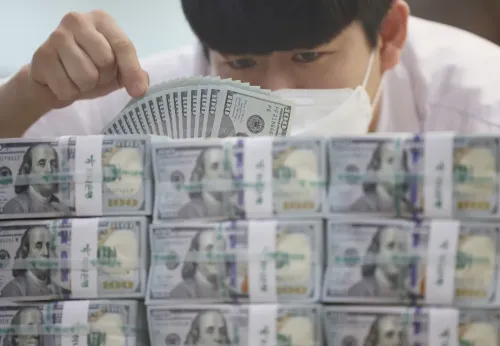
Household loans at South Korea's five largest banks rose for a second consecutive month in November, climbing 2.44 trillion won to 786.49 trillion won (US$588 billion) as of end-November, according to data compiled by the lenders and released on Sunday, 29 November 2026, in Seoul. The rise came despite tight borrowing regulations and a fresh interest rate hike by the Bank of Korea (BOK). Gains in both mortgage and credit loans drove the increase.
Key Developments
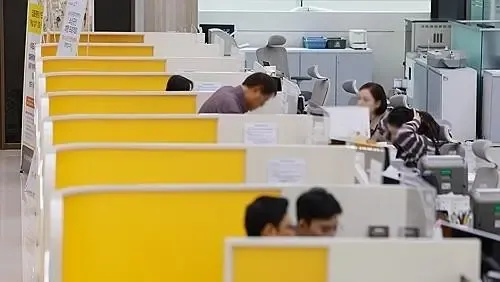
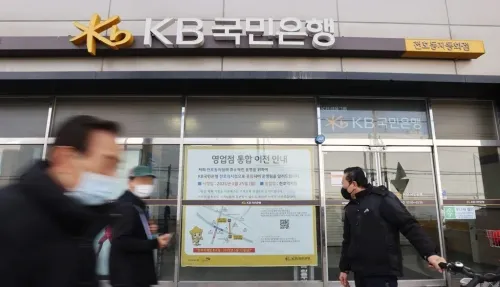
The data covers the five major lenders: KB Kookmin Bank, Shinhan Bank, Hana Bank, Woori Bank and NH Nonghyup Bank. Their combined outstanding household loans stood at 786.49 trillion won at the end of November.
The November figure extends a rebound that began in October. Household loans had fallen by 1.29 trillion won in September, the first on-month decline in six months, before rising 2.77 trillion won in October.
Mortgage and Credit Loans Drive the Rise
Mortgage loans rose 1.43 trillion won to 624.53 trillion won in November. That marks an eighth consecutive monthly gain since April, which shows sustained demand for housing finance.
Credit loans increased 896 billion won to 109.8 trillion won as of Thursday, according to reports. Together, the two categories account for most of the month's increase in household borrowing.
BOK Resumes Monetary Tightening
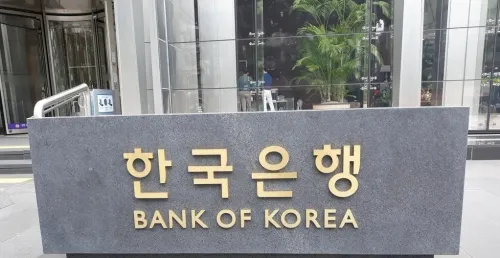
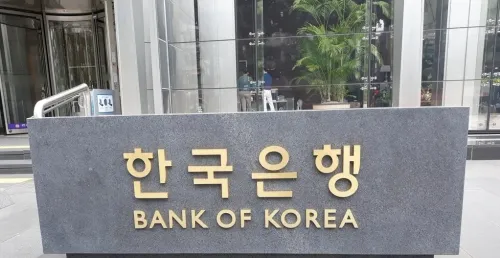
The data arrives a week after the central bank resumed tightening. Last week, the BOK's Monetary Policy Board raised the key rate by a quarter percentage point to 3.25 percent at its regular rate-setting meeting in Seoul. That is the highest level since October 2024.
The central bank cited mounting inflationary pressure and better-than-expected economic growth after a three-month pause. It projected growth of 3.9 percent this year and 4.1 percent in 2027.
The BOK had raised rates at consecutive meetings in July and August before holding steady in October.
Why It Matters
The latest numbers point to a tension in Seoul's policy approach. Regulators have tightened lending rules and the central bank has raised borrowing costs, yet household debt at the biggest banks keeps rising. The steady climb in mortgage lending in particular suggests housing-related credit demand has not cooled.
Elevated household debt has long been one of the main macroeconomic risks for South Korea. Higher rates raise repayment burdens for borrowers already carrying large loan balances.
What to Watch
December's lending data will be the first full month to reflect the latest rate hike. That makes it a key test of whether tighter monetary policy can finally slow household borrowing at South Korea's major banks.
Point of View
Through regulatory curbs and repeated hikes, suggest borrowers expect asset gains to outrun financing costs. The BOK is balancing growth projected at nearly 4% against a debt pile that makes every hike costlier for households. Policymakers in other economies, including India, that face rising retail credit should note that rate tools alone rarely cool property-linked borrowing quickly.
NationPress
29 Nov 2026
Frequently Asked Questions
How much did household loans rise in South Korea in November?
Household loans at South Korea's five major banks rose by 2.44 trillion won in November, reaching 786.49 trillion won (US$588 billion) as of end-November. It was the second consecutive monthly increase.
What drove the increase in South Korean household loans?
The rise came mainly from both mortgage and credit loans. Mortgage loans rose 1.43 trillion won to 624.53 trillion won, while credit loans rose 896 billion won to 109.8 trillion won.
Which banks are included in the household loan data?
The data covers KB Kookmin Bank, Shinhan Bank, Hana Bank, Woori Bank and NH Nonghyup Bank, South Korea's five major lenders.
What is the Bank of Korea's current key interest rate?
The Bank of Korea raised its key rate by a quarter percentage point to 3.25 percent last week, the highest level since October 2024. The hike ended a three-month pause and was driven by inflationary pressure and stronger-than-expected growth.
How did household loans perform earlier this year?
Household loans fell by 1.29 trillion won in September, the first monthly drop in six months, before rebounding by 2.77 trillion won in October.