South Korea ICT exports hit record $47.79 bn in May on AI chip surge

Synopsis
South Korea's ICT exports have shattered records three months running, crossing $40 billion each time — with May's $47.79 billion print the highest ever. Semiconductors alone accounted for $37.16 billion, up 169% on-year. The AI infrastructure buildout is no longer just a software story; it is moving physical chips out of Korean factories at an unprecedented pace.
Key Takeaways
South Korea's ICT exports hit an all-time monthly high of $47.79 billion in May 2025 , up 128.9 percent year-on-year.
This is the first time monthly ICT exports exceeded $40 billion for three consecutive months .
Semiconductor exports surged 169.2 percent on-year to $37.16 billion , driven by AI server investments and higher memory chip prices.
Exports to the US jumped over 250 percent to $8.1 billion ; exports to China (including Hong Kong) more than doubled to $19.5 billion .
SK Hynix added 2,159 employees in 2025, bringing its total headcount to 34,549 , even as South Korea's broader job market slowed.
The combined chip workforce at SK Hynix and Samsung Electronics' device solutions division reached 112,613 as of end-2025.
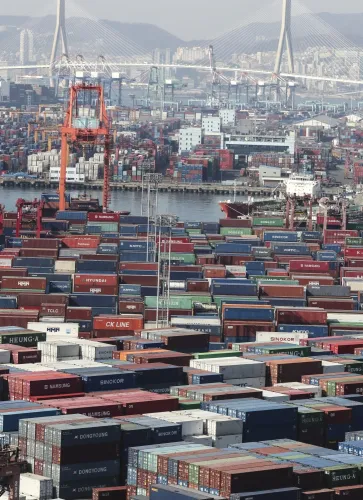
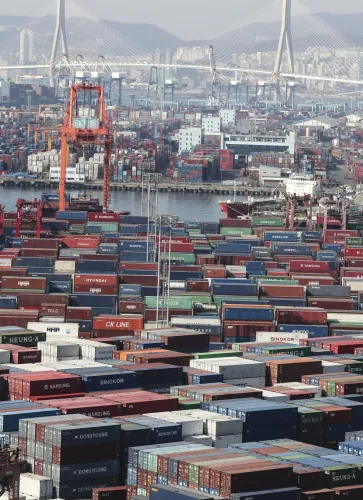
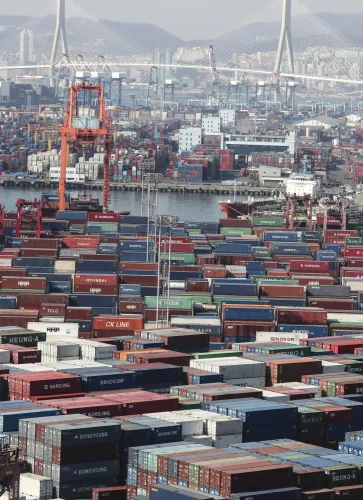
South Korea's information and communication technology (ICT) exports reached an all-time monthly high in May 2025, with outbound shipments surging to $47.79 billion — a year-on-year jump of 128.9 percent from $20.88 billion recorded in the same month a year earlier. The milestone, confirmed by data from the Ministry of Science and ICT, was driven primarily by explosive demand for semiconductors and AI-linked hardware.
Three Consecutive Months Above $40 Billion
May marks the first time in South Korea's trade history that monthly ICT exports have crossed the $40 billion threshold for three straight months, according to the ministry. Imports rose 36 percent on-year to $15.7 billion, yielding a sector trade surplus of $32.09 billion — underscoring the country's dominant position in global technology supply chains.
Semiconductors and AI Hardware Lead the Charge
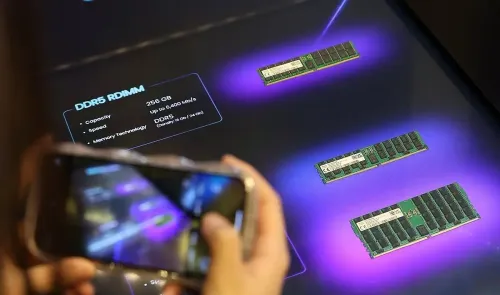
Semiconductor exports were the standout performer, soaring 169.2 percent year-on-year to $37.16 billion, propelled by sustained investment in AI server infrastructure and a rise in memory chip prices. Shipments of computers and related equipment more than tripled from a year earlier to $4.33 billion, reflecting surging demand for solid-state drives (SSDs) deployed in AI data centres. Smartphone exports climbed a solid 15.9 percent on-year, while display panel shipments edged up 2.8 percent.
Key Export Destinations
Exports to the United States shot up more than 250 percent to $8.1 billion, making it one of the fastest-growing markets for South Korean ICT goods. Shipments to China, including Hong Kong, more than doubled to $19.5 billion, while exports to Vietnam climbed 90.8 percent on-year to $6.8 billion. The broad-based geographic growth signals that AI-driven hardware demand is a global, not regional, phenomenon.
SK Hynix Hiring Surge Amid AI Boom
The record export figures are mirrored in chipmaker hiring data. SK Hynix added more than 2,000 positions in 2025, with its total headcount rising to 34,549 by year-end — up 2,159 from the previous year, according to industry sources. This is particularly notable given a broader slowdown in South Korea's overall job market. By contrast, Samsung Electronics' device solutions division, which covers its chip operations, saw its workforce edge slightly lower to 78,064 from 78,699. Combined, the two chipmaking giants employed 112,613 chip-related workers as of end-2025, a net increase of 1,554 year-on-year.
What This Signals for the AI Supply Chain
South Korea's ICT export trajectory reflects how deeply the global AI investment cycle has penetrated hardware demand. Memory chips — the country's primary export — sit at the core of every AI training cluster and inference server. This comes amid a broader race among hyperscalers in the US, China, and Southeast Asia to expand AI infrastructure capacity. Analysts will be watching whether the momentum holds as AI capital expenditure cycles mature and memory chip prices stabilise. The next monthly ICT trade release will be a closely watched indicator of whether the $40-billion-plus run rate is sustainable.
Point of View
And the AI capex supercycle is the engine behind it. What mainstream coverage underplays is the concentration risk: semiconductors alone made up roughly 78 percent of May's ICT export total, meaning any demand correction from hyperscalers or a memory price reversal could unwind these numbers sharply. The SK Hynix hiring data adds a human dimension that trade statistics rarely capture — but Samsung's flat headcount in its chip division, even amid the same AI boom, hints at divergent strategic bets on automation versus manpower. South Korea is winning this cycle; the question is whether its chipmakers are building the workforce resilience to sustain the next one.
NationPress
19 Sept 2026
Frequently Asked Questions
What record did South Korea's ICT exports set in May 2025?
South Korea's ICT exports reached $47.79 billion in May 2025, the highest monthly figure ever recorded, according to the Ministry of Science and ICT. This also marked the first time exports exceeded $40 billion for three consecutive months.
Why did South Korea's semiconductor exports surge so sharply?
Semiconductor exports jumped 169.2 percent on-year to $37.16 billion , driven by sustained global investment in AI server infrastructure and rising memory chip prices. Demand for SSDs used in AI data centres also pushed computer and equipment shipments to more than triple year-on-year.
Which countries imported the most South Korean ICT products in May 2025?
China, including Hong Kong, was the largest destination at $19.5 billion — more than double the prior year. The United States saw the fastest growth, up over 250 percent to $8.1 billion , while Vietnam rose 90.8 percent to $6.8 billion .
How did SK Hynix's workforce change amid the AI boom?
SK Hynix added 2,159 employees in 2025, bringing its total headcount to 34,549 by year-end, according to industry sources. The hiring is significant given the broader slowdown in South Korea's overall job market.
How does Samsung Electronics compare to SK Hynix on chip employment?
Samsung Electronics' device solutions division, which covers its chip business, employed 78,064 workers as of end-2025, slightly down from 78,699 the previous year. Combined with SK Hynix, the two companies' chip-related workforce totalled 112,613 , a net increase of 1,554 year-on-year.