South Korea tourism balance swings to deficit in July after 4-month surplus run

Synopsis
South Korea's four-month tourism surplus streak — itself a historic breakthrough after 72 straight months in the red — snapped in July as outbound spending outpaced inbound receipts by US$50.3 million. The reversal raises questions about whether BTS-driven cultural tourism can deliver lasting structural gains or only episodic ones.
Key Takeaways
South Korea's tourism balance posted a deficit of US$50.3 million in July 2026 , ending four consecutive months of surplus.
Outbound spending by South Koreans reached US$2.67 billion , exceeding inbound tourist receipts of US$2.62 billion .
The tourism account had been in deficit for 72 consecutive months from March 2020 before returning to surplus in March 2026.
Market watchers credited BTS K-pop events as a key driver of the earlier surplus run and called for sustained cultural content investment.
18.94 million foreigners visited South Korea in 2025 , spending an average of US$177.8 per day , contributing 1.17% of GDP.
Foreign tourist spending contributed 0.15 percentage point to annual GDP growth in both 2024 and 2025 , up from a long-run average of 0.04 percentage point .
South Korea's tourism balance slipped back into deficit in July 2026, ending a four-month surplus streak that had briefly signalled a structural improvement in the country's travel account, according to data from the Korea Tourism Organization (KTO). The reversal underscores the fragility of South Korea's inbound tourism recovery even as the broader sector posts historically strong numbers.
Key Figures Behind the Shift
The tourism balance recorded a deficit of US$50.3 million in July, a sharp swing from a surplus of US$596.6 million in June. The turnaround was driven by outbound spending: South Koreans travelling abroad spent US$2.67 billion during the month, exceeding the US$2.62 billion that foreign visitors spent inside the country.
Context: A Long Road Out of the Red
South Korea's tourism account had remained in deficit for 72 consecutive months — from March 2020, when the COVID-19 pandemic began disrupting international travel, through February of this year. The balance returned to surplus in March 2026 and held positive ground through June before the July reversal. The four-month run was the first sustained surplus in over six years, making the latest slip particularly notable to analysts tracking the sector's recovery trajectory.
BTS Events and the Cultural Tourism Factor
Market watchers had partly attributed the earlier surplus run to a series of major K-pop events staged by supergroup BTS, which drew large numbers of foreign visitors to South Korea. Analysts have called for sustained investment in cultural content development to replicate that pull effect, arguing that one-off concerts alone cannot anchor a structural improvement in the travel balance.
Inbound Tourism's Growing Share of GDP
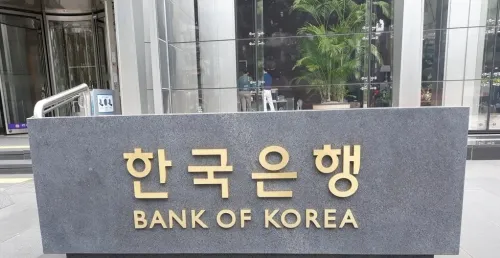
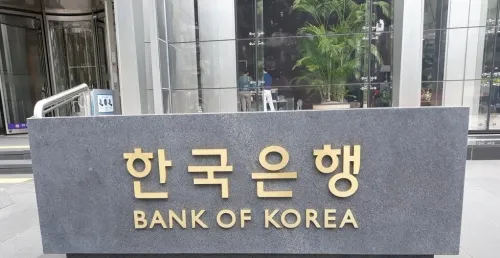
Separately, a report published by the Bank of Korea (BOK) highlighted the rising macroeconomic weight of foreign tourism. Foreign tourists' spending accounted for 1.17 percent of South Korea's gross domestic product (GDP) in 2025, reflecting a marked rise in inbound arrivals. A total of 18.94 million foreigners visited South Korea in 2025, staying an average of 6.5 days and spending an average of US$177.8 per day per person.
Their combined expenditure on goods and services — classified as tourism exports under the travel account in the balance of payments — represented 2.5 percent of South Korea's total private consumption of approximately 1,200 trillion won (roughly US$843.1 billion) last year. Over the long term, foreign tourist spending contributed an average of 0.04 percentage point to annual GDP growth over the 2000–2025 period; that contribution climbed to 0.15 percentage point in both 2024 and 2025, years marked by a sharp rebound in foreign arrivals.
Whether July's deficit proves a seasonal blip or signals a wider reassertion of outbound travel demand will be watched closely in the months ahead.
Point of View
But they cannot substitute for the kind of diversified cultural and hospitality infrastructure that draws repeat visitors year-round. The 72-month deficit streak that preceded this year's surplus reflects deep-seated demand asymmetry: South Koreans travel outbound at higher rates and higher spend than inbound visitors can offset. Until that asymmetry narrows — through product development, visa liberalisation, and sustained marketing — monthly tourism balance figures will remain highly volatile. The BOK data showing a rising GDP contribution from foreign tourism is the genuinely structural story here, and deserves more attention than the month-to-month swing.
NationPress
27 Sept 2026
Frequently Asked Questions
Why did South Korea's tourism balance swing to a deficit in July 2026?
South Korea's tourism balance shifted to a deficit of US$50.3 million in July because spending by South Koreans travelling abroad — at US$2.67 billion — exceeded the US$2.62 billion spent by foreign visitors inside the country. The gap reversed a surplus of US$596.6 million recorded in June.
How long had South Korea's tourism balance been in deficit before this year?
South Korea's tourism balance had been in the red for 72 consecutive months, from March 2020 — when COVID-19 disrupted international travel — through February 2026. It returned to surplus in March 2026 and held positive for four months before the July reversal.
What role did BTS play in South Korea's tourism surplus earlier in 2026?
Market watchers credited a series of major K-pop events by supergroup BTS with drawing significant numbers of foreign visitors to South Korea, helping tip the tourism balance into surplus. Analysts have argued that South Korea needs to develop broader cultural content offerings to sustain this effect beyond individual events.
How significant is foreign tourism to South Korea's economy?
Foreign tourists' spending accounted for 1.17% of South Korea's GDP in 2025, according to a Bank of Korea report. A total of 18.94 million foreigners visited in 2025, spending an average of US$177.8 per day, and their combined expenditure represented 2.5% of total private consumption.
Has foreign tourism's contribution to South Korea's GDP growth changed in recent years?
Yes. Over the 2000–2025 period, foreign tourist spending contributed an average of just 0.04 percentage point to annual GDP growth. That figure rose to 0.15 percentage point in both 2024 and 2025, reflecting the sharp rebound in foreign arrivals after the pandemic.