Samsung targets $80 billion shareholder returns in 2026, a South Korean record
Synopsis
Samsung Electronics has committed up to $80 billion in shareholder returns for 2026 — five times its own previous record — fuelled by a staggering 1,300 percent jump in quarterly net profit driven by AI-linked semiconductor demand. It is the single largest investor payout in South Korean corporate history, and it arrives just as rival SK Hynix announces its own record buyback, signalling a sector-wide AI windfall.
Key Takeaways
Samsung Electronics plans 90–110 trillion won ($80 billion) in shareholder returns for 2026 — the largest in South Korean corporate history.
The total is approximately five times the previous record of 20.3 trillion won set in 2020 .
Second-quarter net profit surged nearly 1,300 percent year-on-year to 90 trillion won , driven by AI semiconductor demand.
A 30 trillion won cash dividend is planned for Q3 , with details to be finalised in late October .
Rival SK Hynix announced a 40 trillion won share buyback this week as part of its own three-year return plan.
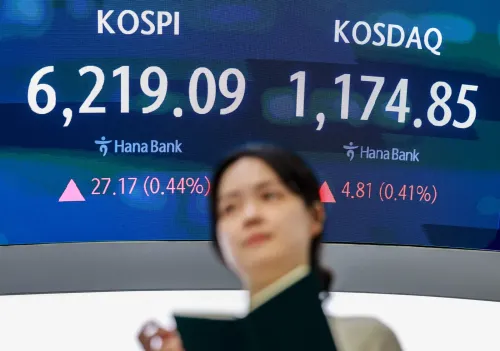
Samsung shares rose 3.87 percent on the KOSPI on Friday following the announcement.
Samsung Electronics has announced plans to allocate between 90 trillion won and 110 trillion won (approximately $80 billion) for shareholder returns in 2026, marking the largest-ever investor return by a South Korean company. The disclosure came through a regulatory filing following a board meeting on 22 August, confirming the final-year commitments of the company's 2024–26 shareholder-return policy.
Key Commitments and Timeline
In the third quarter, Samsung Electronics plans to pay cash dividends of approximately 30 trillion won, with specifics to be finalised at a board meeting in late October. The scope and method for distributing the remaining shareholder returns will be confirmed at another board meeting in January, coinciding with the company's annual earnings finalisation.
The total payout is roughly five times larger than the previous record — a 20.3 trillion-won return posted in 2020 — underscoring the scale of Samsung's current financial position.
What's Driving the Surge
Samsung Electronics reported a second-quarter net profit of 90 trillion won, a jump of nearly 1,300 percent year-on-year, powered by surging demand for semiconductors tied to artificial intelligence. The AI-driven chip boom has reshaped earnings trajectories across the global semiconductor sector, and Samsung is channelling a significant portion of those gains back to investors.
Notably, the announcement aligns with a broader trend among South Korean chipmakers. Rival SK Hynix Inc. earlier this week said it will buy back 24.07 million common shares worth 40 trillion won, as part of a plan to return up to 50 percent of its cumulative free cash flow generated over the three-year period from 2025 to 2027 to shareholders.
Employee Bonuses Also on the Agenda
Separately, Samsung Electronics said its board also approved a buyback of approximately 15 trillion won worth of its own shares, specifically to fund special performance bonuses for employees. This reflects the company's effort to balance investor returns with workforce incentives amid record profitability.
Market Reaction
Investors responded positively to the announcement. Shares of Samsung Electronics rose 3.87 percent on the Korea Composite Stock Price Index (KOSPI) on Friday, reflecting market confidence in the company's capital allocation strategy. With expectations already elevated following the strong second-quarter results, the confirmation of a record payout appears to have met or exceeded investor anticipations.
The announcement marks the culmination of Samsung's three-year return policy, which mandates returning 50 percent of free cash flow to shareholders. Whether the company will extend or revise this framework beyond 2026 is expected to be a key focus at the January board meeting.
Point of View
When the three-year policy expires: will Samsung lock in a new, higher baseline, or revert to conserving cash for the next technology cycle? For South Korean capital markets, the Samsung-SK Hynix double announcement signals that the AI boom is no longer speculative — it is now being distributed. That is a structural shift in how Korean tech giants are valued globally.
NationPress
6 Oct 2026
Frequently Asked Questions
How much is Samsung Electronics returning to shareholders in 2026?
Samsung Electronics plans to allocate between 90 trillion won and 110 trillion won — approximately $80 billion — for shareholder returns in 2026. This is the largest-ever investor return by a South Korean company, roughly five times its previous record of 20.3 trillion won set in 2020.
What is driving Samsung's record shareholder payout?
The payout is underpinned by a near-1,300 percent surge in second-quarter net profit to 90 trillion won, driven by strong global demand for AI-linked semiconductors. The returns also represent the final year of Samsung's 2024–26 policy of returning 50 percent of free cash flow to shareholders.
When will Samsung finalise the details of its shareholder returns?
A cash dividend of around 30 trillion won for Q3 will be finalised at a board meeting in late October. The scope and method for the remaining returns will be confirmed at a January board meeting, when the company's annual earnings are also finalised.
How does Samsung's announcement compare to SK Hynix's plans?
SK Hynix this week announced a buyback of 24.07 million common shares worth 40 trillion won, as part of a plan to return up to 50 percent of its cumulative free cash flow from 2025 to 2027. Both announcements reflect record earnings driven by the AI semiconductor boom.
What was Samsung's share price reaction to the announcement?
Samsung Electronics shares rose 3.87 percent on the KOSPI on Friday following the announcement, reflecting strong investor confidence in the company's capital return strategy.