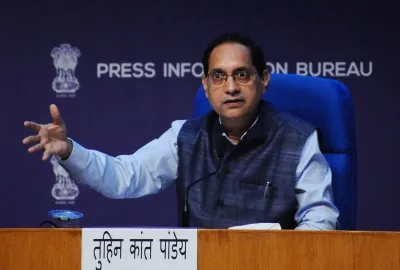
SEBI not keen on extending trading hours, reviewing MTF framework: Chairman Tuhin Kanta Pandey
Synopsis
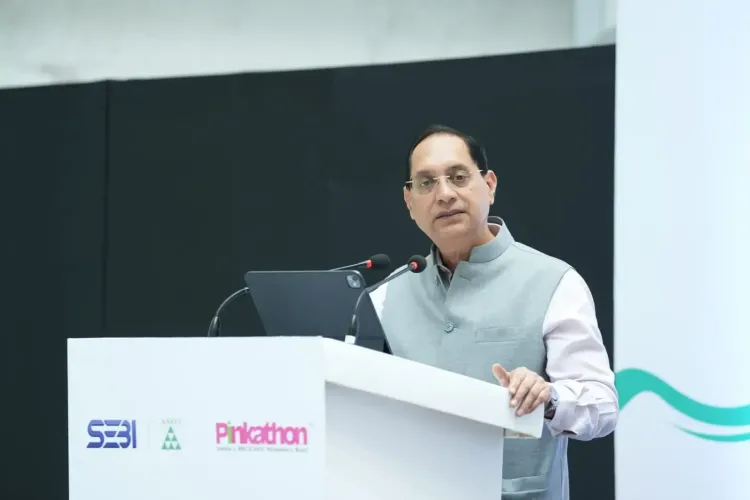
SEBI Chairman Tuhin Kanta Pandey has put a lid on speculation about longer trading sessions, calling it 'not a priority' and citing cybersecurity risks, liquidity dilution, and investor discomfort. At the same time, he confirmed the regulator is actively thinking through the MTF framework — though no decision has been taken — keeping brokerage stocks on edge.
Key Takeaways
SEBI Chairman Tuhin Kanta Pandey on 18 November 2026 said extending stock market trading hours is not a priority for the regulator.
Key concerns cited: cybersecurity risks , potential liquidity dilution , and investor discomfort with after-hours price swings.
An IOSCO working group is examining the global trading-hours question, but SEBI is not actively pursuing it.
On the Margin Trading Facility (MTF) framework, Pandey confirmed ongoing internal review but said no decision has been taken yet .
MTF speculation had already triggered a sell-off in brokerage stocks , reflecting market sensitivity to regulatory signals.
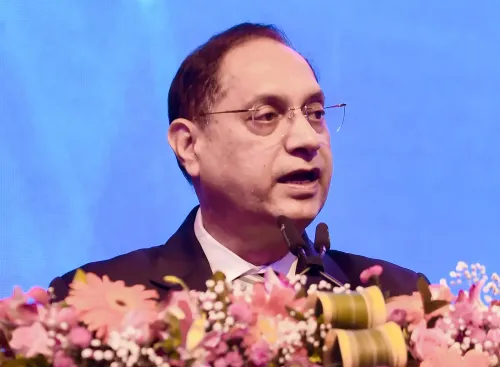
Securities and Exchange Board of India (SEBI) Chairman Tuhin Kanta Pandey on Wednesday, 18 November 2026, indicated that extending stock market trading hours is not among the regulator's immediate priorities, pointing to operational hurdles including cybersecurity risks, liquidity concerns, and the potential discomfort of investors. Pandey's remarks came on the sidelines of the World Federation of Exchanges event in Mumbai.
No Rush to Extend Trading Hours
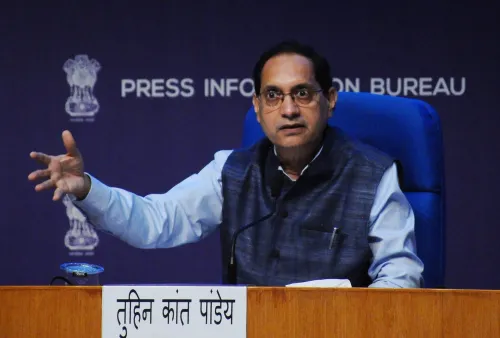
Speaking to reporters, Pandey said discussions on longer trading sessions are ongoing globally, but SEBI is not actively pursuing the idea at present. 'We are not really looking at it as a very big priority,' he said, responding to a question on whether India could align with international markets that have explored extended hours.
He acknowledged that a working group under the International Organization of Securities Commissions (IOSCO) is examining the issue but stressed that any such move would need to clear significant hurdles before implementation.
Three Key Concerns Flagged by SEBI
Pandey outlined three principal challenges that make extended trading hours a complex proposition for India.
First, cybersecurity: he noted that even advanced markets such as the United States continue to face cyber breaches, underscoring that longer operational windows expand the attack surface. Second, liquidity: stretching trading sessions could dilute market depth and impair price discovery, particularly during thin-volume periods. Third, investor impact: market participants, he said, would be uncomfortable waking up to significant price movements that occurred outside conventional trading hours — a concern especially relevant for retail investors.
MTF Framework Under Review, No Decision Yet
On reports that SEBI is considering changes to the Margin Trading Facility (MTF) framework — which allows investors to buy shares using funds borrowed from brokers — Pandey said the regulator continuously evaluates policy options but discloses them only once a concrete proposal is ready.
'The thought process is always there in our workings, in different ways, but whenever there is a concretised issue, we bring it up. No such decision has been taken yet,' he said.
Recent reports had suggested that SEBI is reviewing MTF regulations reportedly aimed at curbing excessive leverage and strengthening market stability. The speculation triggered a sell-off in select brokerage stocks, highlighting how sensitive the sector is to regulatory signalling.
Broader Context and Market Implications
The question of extended trading hours has gained traction globally as markets in the US and parts of Europe explore around-the-clock or near-continuous sessions driven by retail demand and digital-asset market dynamics. India's NSE and BSE currently operate equity cash sessions from 9:15 am to 3:30 pm IST.
Notably, SEBI had previously faced industry pushback when it briefly explored extended evening sessions for equity derivatives. The MTF review, meanwhile, reflects a broader SEBI pivot toward containing retail over-leverage — an issue that gained urgency after the regulator's own study found that a large proportion of individual futures-and-options traders incurred losses.
Both the trading-hours and MTF issues are likely to remain live talking points as SEBI continues its calendar of consultations with market participants in the months ahead.
Point of View
And sophisticated market participants will read the gap carefully. On trading hours, SEBI's caution is well-grounded: India's retail investor base, which surged post-pandemic, is particularly exposed to after-hours volatility shocks that institutional players can hedge against. The cybersecurity rationale, however, deserves more scrutiny — it is a solvable infrastructure problem, not a permanent barrier. The more honest constraint may be that India's clearing and settlement ecosystem, still largely T+1, is not yet built for the operational demands of extended sessions.
NationPress
18 Nov 2026
Frequently Asked Questions
Why is SEBI not extending stock market trading hours?
SEBI Chairman Tuhin Kanta Pandey said extending trading hours is not a current priority, citing cybersecurity risks, potential liquidity dilution, and the risk of investors waking up to large overnight price movements. He added that even advanced markets like the US continue to face cyber breaches.
What is the MTF framework that SEBI is reportedly reviewing?
The Margin Trading Facility (MTF) allows investors to purchase shares using funds borrowed from their brokers, effectively enabling leveraged positions in equities. SEBI is reportedly reviewing MTF regulations to curb excessive leverage and strengthen market stability, though the Chairman confirmed no concrete decision has been taken yet.
What is IOSCO's role in the trading-hours debate?
The International Organization of Securities Commissions (IOSCO) has a working group examining the global question of extended trading hours. Pandey referenced this group to show that the issue is on the international regulatory agenda, though he stressed SEBI is not actively pursuing it for India at present.
How did the MTF review speculation affect the market?
Reports of a potential MTF framework review triggered a sell-off in certain brokerage stocks, highlighting how sensitive the broking sector is to regulatory changes that could reduce borrowing-driven trading volumes and fee income.
What are India's current stock market trading hours?
Indian equity cash markets on the BSE and NSE currently operate from 9:15 am to 3:30 pm IST on weekdays. The question of extending these hours has periodically surfaced but has not been formalised into a regulatory proposal.