Why Did Sensex and Nifty Decline Amid Metal and IT Weakness?
Synopsis
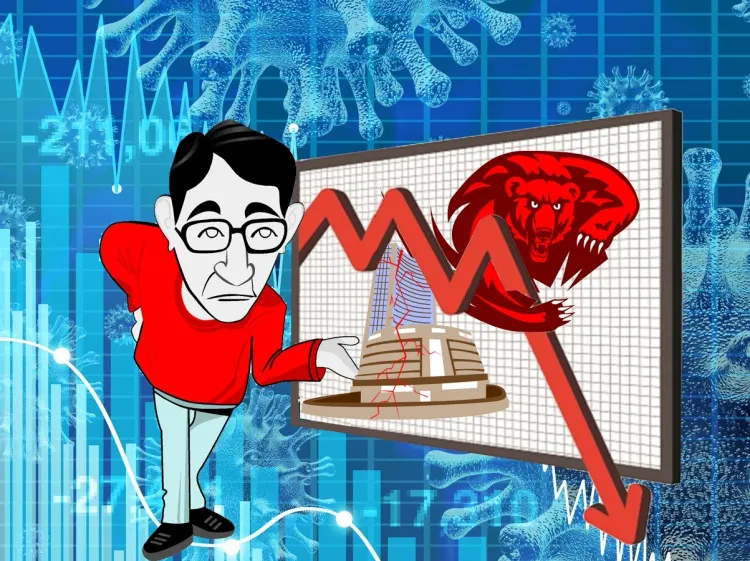
On January 30, the Indian equity markets faced declines as investors opted for profit-taking ahead of the upcoming Union Budget 2026. With significant losses in metal and IT stocks, market watchers are keenly observing the trends and potential recovery strategies.
Key Takeaways
Sensex fell by 269 points, closing at 82,269.
Nifty declined by 98 points, ending at 25,320.
Mixed sector performance with Nifty Metal down 5.34% and Nifty Media up 2.07%.
The rupee improved against the US dollar, trading at 91.92 .
Market watchers are focused on the upcoming Union Budget .
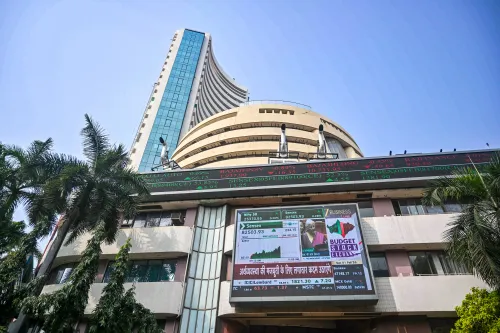
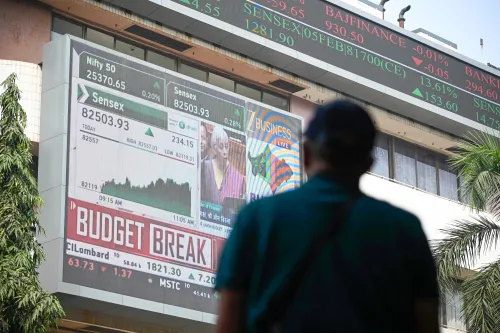
Mumbai, Jan 30 (NationPress) The Indian equity markets experienced declines on Friday, driven by profit-taking as investors exercised caution ahead of the Union Budget 2026 scheduled for February 1 and a downturn in metal stocks.
At the end of trading, the Sensex fell by 269 points, representing a 0.36 percent drop, concluding at 82,269. The Nifty dropped by 98 points, or 0.39 percent, finishing at 25,320.
The broader market displayed divergence, with the benchmark indices; the Nifty Midcap 100 index only losing 0.17 percent, while the NSE Smallcap 100 gained 0.32 percent.
Sector-wise performance was mixed, with the metal sector witnessing the most significant losses. The Nifty Metal index plummeted by 5.34 percent, and IT stocks fell 1.02 percent. In contrast, Nifty Media surged 2.07 percent, and consumer durables rose 1.09 percent. Nifty FMCG increased by 1.41 percent.
The IT sector's underperformance was attributed to global growth concerns and rising US bond yields, as noted by analysts.
Market observers highlighted that the Bank Nifty has reclaimed its previous downward trendline breakout zone and is now maintaining levels above its short-term 20-day and 50-day moving averages, suggesting a strengthening price structure.
Support levels are identified at 59,000, with resistance near the 60,400 mark, as momentum indicators reflect an upward bias.
The rupee has recovered from its lowest point, gaining 15 paise to trade at 91.92 against the US dollar, bolstered by declining crude oil prices globally.
In light of escalating geopolitical risks, tariff pressures, and ongoing FII selling, the Union Budget is being closely monitored for indications of growth support and fiscal prudence.
Investors are also attentive to the appointment of a new US Fed Chair, as a more aggressive stance from the Federal Reserve could tighten liquidity and impact emerging markets negatively.
The markets will remain operational on Budget Day, February 1, despite it falling on a Sunday. As it is a settlement holiday, shares purchased on January 30 will not be eligible for sale on February 1. Similarly, stocks acquired on Budget Day cannot be sold the following day.
aar/na
Point of View
I believe that the recent fluctuations in the Indian equity markets reflect a broader trend of caution among investors as they await critical policy announcements. The losses seen in the metal and IT sectors highlight the need for strategic investment decisions in a volatile economic landscape. Our focus should remain on sustainable growth and fiscal responsibility.
NationPress
10 Oct 2026
Frequently Asked Questions
What caused the decline in Sensex and Nifty?
The decline was primarily due to profit booking and caution ahead of the Union Budget 2026, coupled with weakness in metal and IT stocks.
How did the broader markets perform?
The broader markets showed divergence; the Nifty Midcap 100 index lost only 0.17 percent, while the NSE Smallcap 100 increased by 0.32 percent.
What are the support and resistance levels for Bank Nifty?
Support is noted at 59,000, while resistance is around the 60,400 zone.
What is the current status of the rupee?
The rupee has recovered, gaining 15 paise to trade at 91.92 against the US dollar.
Will the markets be open on Budget Day?
Yes, the markets will be operational on February 1, despite it being a Sunday.