SpaceX IPO priced at $135: Musk's net worth nears $970 billion
Synopsis
SpaceX has priced what is being called the largest IPO in history at $135 per share, raising $75 billion and valuing the company at $1.77 trillion. The offering adds roughly $275 billion to Elon Musk's wealth, pushing him to nearly $970 billion — and within striking distance of becoming the world's first trillionaire.
Key Takeaways
SpaceX priced its IPO at $135 per share , raising approximately $75 billion — reportedly the largest IPO in history.
The offering values SpaceX at around $1.77 trillion .
The pricing adds roughly $275 billion to Elon Musk's net worth, taking it to nearly $970 billion .
Musk holds approximately 6.42 billion shares across Class A and Class B, with 85% voting control before the offering completes.
SpaceX is expected to trade on Nasdaq under the ticker 'SPCX' .
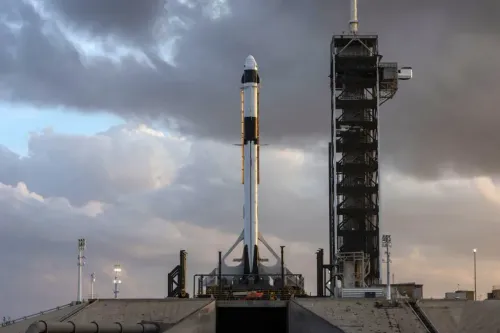
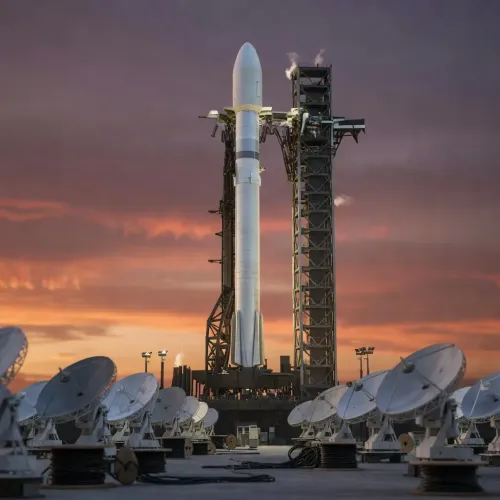
Founded in 2002 , SpaceX operates Falcon 9 , Falcon Heavy , Dragon , Starship , and the Starlink satellite internet business.
Space Exploration Technologies Corp. (SpaceX), the rocket and satellite company led by Elon Musk, has priced its initial public offering (IPO) at $135 per share, raising approximately $75 billion in what is being described as the largest IPO in history, according to multiple reports. The pricing has pushed Musk's net worth to nearly $970 billion, bringing him closer to becoming the world's first trillionaire.
IPO Details and Valuation
The offering values SpaceX at approximately $1.77 trillion, making it one of the most valuable companies ever to go public. The company is expected to begin trading on the Nasdaq under the ticker symbol 'SPCX'. The IPO is being billed as a watershed moment for public markets, with analysts suggesting it could trigger a fresh wave of mega technology listings in the coming months.
Musk's Stake and Wealth Jump
The IPO pricing is estimated to have added roughly $275 billion to Musk's personal wealth. His SpaceX holdings — including options — are valued at approximately $688 billion at the offering price. Regulatory filings show that Musk beneficially owns 849.49 million Class A shares and 5.57 billion Class B shares as of 1 May, representing a combined holding of around 6.42 billion shares across both classes.
Dual-Class Structure and Voting Control
Before completion of the offering, Musk controls approximately 85 per cent of SpaceX's voting power through a dual-class share structure. Under this arrangement, Class B shares carry ten votes each, compared with one vote for each Class A share — a mechanism that preserves his operational control even as the company opens to public investors. Regulatory filings also disclosed significant insider holdings across SpaceX's leadership and board, though specific figures were not detailed in the disclosures reviewed.
SpaceX's Rise to Aerospace Dominance
Founded by Musk in 2002, SpaceX has grown into one of the world's most prominent aerospace companies. Its portfolio includes the Falcon 9 and Falcon Heavy reusable rockets, the Dragon spacecraft, and the ambitious Starship launch programme. The company has further expanded its commercial reach through Starlink, its satellite internet business, which has become a significant revenue contributor globally.
What Comes Next
The listing is expected to set a new benchmark for private-to-public transitions in the technology and aerospace sectors. Market watchers are closely tracking whether the IPO's scale and Musk's near-trillion-dollar valuation will accelerate similar moves by other high-profile private companies. The full impact on Musk's net worth will depend on SpaceX's post-listing share price performance.
Point of View
He is effectively a sovereign-scale economic actor. The dual-class structure ensures the listing changes nothing about who runs SpaceX; public shareholders buy exposure, not influence. The more consequential question is what a $1.77 trillion aerospace company does to defence procurement politics and satellite regulation globally — areas where SpaceX already operates with unusual leverage. Whether the post-listing price holds will determine whether this triggers the expected wave of mega-tech IPOs or becomes a cautionary tale about peak private-market valuations going public.
NationPress
19 Sept 2026
Frequently Asked Questions
What is the SpaceX IPO price and how much did it raise?
SpaceX priced its IPO at $135 per share, raising approximately $75 billion. The offering values the company at around $1.77 trillion, making it reportedly the largest IPO in history.
How does the SpaceX IPO affect Elon Musk's net worth?
The IPO pricing is estimated to add roughly $275 billion to Musk's wealth, pushing his net worth to nearly $970 billion. His SpaceX holdings, including options, are valued at approximately $688 billion at the IPO price.
Where will SpaceX shares be listed and under what ticker?
SpaceX is expected to begin trading on the Nasdaq stock exchange under the ticker symbol 'SPCX'. The exact trading start date was not specified in available reports.
How much of SpaceX does Elon Musk own?
Regulatory filings show Musk beneficially owns 849.49 million Class A shares and 5.57 billion Class B shares as of 1 May, totalling around 6.42 billion shares. Before completion of the offering, he controls approximately 85 per cent of voting power through SpaceX's dual-class share structure.
What businesses does SpaceX operate?
SpaceX operates the Falcon 9 and Falcon Heavy reusable rockets, the Dragon spacecraft, and the Starship launch programme. It has also expanded into satellite internet through its Starlink business, which serves customers globally.