SpaceX IPO: $75 billion Nasdaq debut puts Musk on trillionaire edge
Synopsis
SpaceX's $75 billion Nasdaq debut is the largest IPO in history, valuing the company at $1.77 trillion and lifting Elon Musk's fortune to $982.6 billion. A modest share price gain could make him the world's first trillionaire — a milestone that would redefine the upper limit of private wealth.
Key Takeaways
SpaceX began trading on the Nasdaq on 12 June under ticker SPCX , completing a record $75 billion IPO.
Shares were priced at $135 , valuing the company at approximately $1.77 trillion — the largest public listing in history.
Elon Musk's net worth reached an estimated $982.6 billion post-listing, according to Forbes estimates.
Musk holds approximately 6.42 billion shares and controls roughly 85 per cent of voting power via a dual-class share structure.
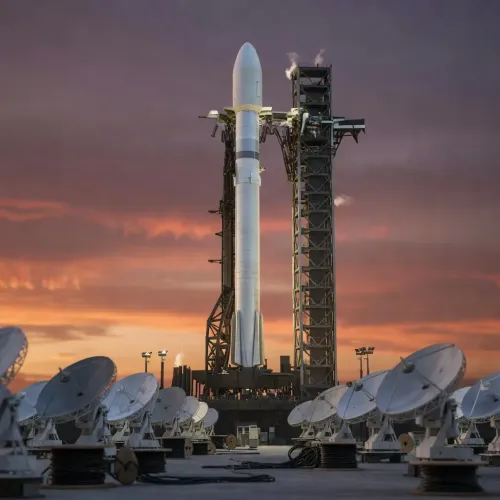
SpaceX was founded in 2002 and operates the Falcon 9 , Falcon Heavy , Dragon , Starship , and Starlink businesses.
Analysts expect the listing to prompt other large private technology companies to pursue public offerings.
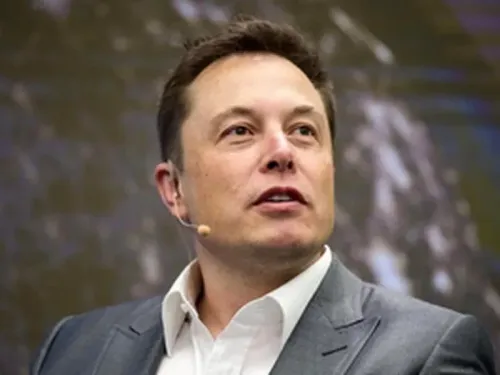
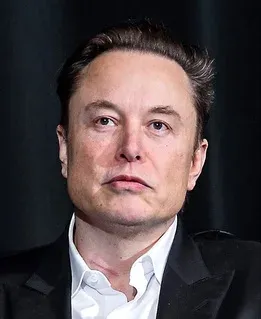
Space Exploration Technologies Corp. (SpaceX) officially began trading on the Nasdaq on Friday, 12 June after completing a record-breaking $75 billion initial public offering (IPO), marking what analysts are calling the largest public listing in history. The debut values SpaceX at approximately $1.77 trillion and has pushed founder Elon Musk's net worth to an estimated $982.6 billion, placing him within striking distance of becoming the world's first trillionaire.
Historic Market Debut
SpaceX shares were priced at $135 apiece ahead of the opening bell, with the company trading under the ticker symbol 'SPCX'. Executives rang the opening bell at the Nasdaq stock exchange, while simultaneous celebrations were held at the company's headquarters, where Musk and employees watched the milestone unfold. The $75 billion IPO surpasses all previous public offerings on record, representing a watershed moment for global capital markets.
Musk's Wealth and Ownership Stake
According to regulatory filings, Musk beneficially owns 849.49 million Class A shares and 5.57 billion Class B shares, representing a combined holding of approximately 6.42 billion shares. Through SpaceX's dual-class share structure, he retains roughly 85 per cent of the company's voting power, with Class B shares carrying ten votes each compared to one vote per Class A share. According to estimates from Forbes, even a modest post-listing gain in SpaceX shares could push Musk past the $1 trillion net worth threshold.
What SpaceX Brings to Public Markets
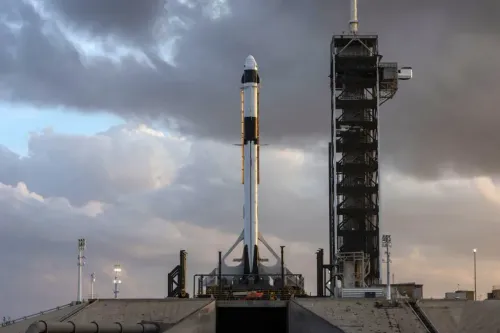
Founded in 2002, SpaceX has fundamentally reshaped the global space industry through its reusable Falcon 9 and Falcon Heavy rockets, the Dragon spacecraft, and the ambitious Starship programme targeting deep-space exploration. The company's Starlink satellite internet division has emerged as a significant revenue driver, attracting substantial investor interest ahead of the listing. The combination of defence contracts, commercial launch business, and Starlink's subscriber growth formed the core investment thesis presented to institutional investors.
Broader Market Impact
Market participants view the listing as a signal that the IPO window for large private technology companies has reopened in earnest. Analysts expect the successful flotation to encourage other high-value private firms to pursue public offerings in the coming months. Notably, SpaceX's $1.77 trillion valuation at listing places it among the most valuable publicly traded companies in the world from day one — a feat few IPOs have achieved. This comes amid a broader recovery in global equity markets following a period of subdued new listings driven by interest rate uncertainty.
What Comes Next
Attention will now turn to SpaceX's first earnings disclosures as a public company, which will offer investors their clearest look yet at Starlink's profitability and the pace of Starship's commercialisation. Whether Musk formally crosses the trillionaire mark will depend on where SPCX shares settle in the days following the debut.
Point of View
SpaceX's valuation was a private market construct; now it faces quarterly scrutiny. The $1.77 trillion opening valuation embeds enormous expectations for Starlink's profitability and Starship's commercial timeline, both of which remain unproven at scale. The trillionaire narrative around Musk is compelling but secondary — the more consequential question is whether public market discipline accelerates or constrains SpaceX's long-cycle bets on Mars and deep-space exploration, programmes that do not fit neatly into earnings-per-share frameworks.
NationPress
27 Oct 2026
Frequently Asked Questions
What is the SpaceX IPO and when did it happen?
SpaceX completed its initial public offering on 12 June, raising a record $75 billion and beginning trading on the Nasdaq under the ticker SPCX. Shares were priced at $135 apiece, valuing the company at approximately $1.77 trillion.
Will Elon Musk become the world's first trillionaire after the SpaceX IPO?
According to Forbes estimates, Musk's net worth reached approximately $982.6 billion following the IPO pricing. Even a modest gain in SpaceX's share price could push him past the $1 trillion mark, which would make him the first person in history to reach that threshold.
How much of SpaceX does Elon Musk own?
Regulatory filings show Musk beneficially owns 849.49 million Class A shares and 5.57 billion Class B shares, totalling approximately 6.42 billion shares. Through the dual-class structure, he retains about 85 per cent of SpaceX's voting power.
Why is the SpaceX IPO considered the largest in history?
The $75 billion raised in the offering surpasses all previous IPO fundraises on record. The listing also gave SpaceX an opening valuation of approximately $1.77 trillion, placing it among the most valuable publicly traded companies in the world from its first day of trading.
What businesses does SpaceX operate?
SpaceX operates reusable launch vehicles including the Falcon 9 and Falcon Heavy, the Dragon spacecraft for cargo and crew missions, the Starship deep-space programme, and Starlink, its satellite internet service that has become a major revenue contributor.