Elon Musk's wealth drops $600 billion as Tesla, SpaceX shares tumble
Synopsis
Elon Musk has shed more than $600 billion in personal wealth in just over a month — a loss that exceeds the entire fortune of every other billionaire alive. SpaceX's post-IPO collapse of 46% and Tesla's 17% slide after a rare earnings miss are the twin drivers. Yet Musk is accelerating spending to $25 billion this year on AI, robotaxis and humanoid robots, betting long while the market prices in short-term pain.
Key Takeaways
Elon Musk's net worth has fallen by more than $600 billion in just over a month, dropping to approximately $684 billion .
His peak fortune of nearly $1.33 trillion was reached on 16 June , when SpaceX's post-IPO rally briefly made him the world's first-ever trillionaire.
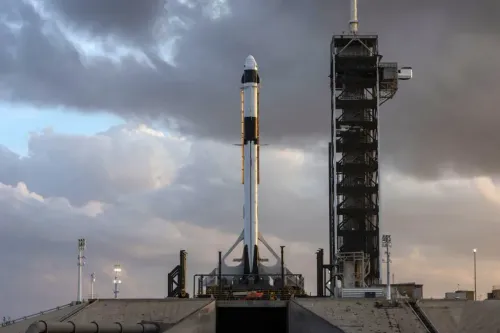
SpaceX shares have slumped about 46 per cent from their record high of $202 to a low of $108.37 following the world's largest-ever IPO at $75 billion .
Tesla shares dropped 17 per cent after the company missed profit estimates and posted negative free cash flow in its Q2 2025 results on 22 July .
Musk has committed Tesla to spending more than $25 billion in 2025 — nearly three times last year's investment — on AI, autonomous driving and humanoid robots.
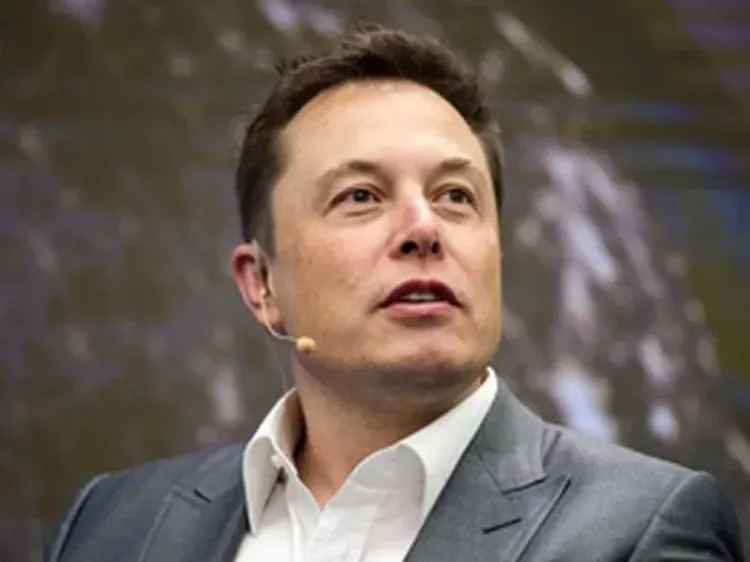
Elon Musk's personal fortune has shrunk by more than $600 billion in just over a month, driven by a sharp correction in SpaceX and Tesla shares, even as the billionaire doubles down on artificial intelligence, autonomous driving and robotics. His net worth has fallen to approximately $684 billion from a peak of nearly $1.33 trillion — a wealth erosion that, on its own, exceeds the total net worth of every other billionaire on the planet.
SpaceX's Historic IPO and the Correction That Followed
SpaceX raised $75 billion in what became the largest initial public offering in history, listing at $150 per share — above its IPO price of $135. Investor enthusiasm initially drove the stock up more than 50 per cent within three trading sessions, with shares touching a record closing high of nearly $202 on 16 June, briefly making Musk the world's first-ever trillionaire.
The rally, however, proved short-lived. SpaceX shares have since slumped approximately 46 per cent from that peak to a record low of $108.37, wiping hundreds of billions of dollars off Musk's net worth in the process.
Tesla Misses Estimates, Free Cash Flow Turns Negative
Compounding the pressure, Tesla shares have dropped 17 per cent since the electric vehicle maker reported its second-quarter earnings on 22 July. The company missed analysts' profit estimates for the first time in more than two years and posted negative free cash flow, as spending on artificial intelligence and robotics accelerated sharply.
Tesla attributed the earnings miss to higher operating expenses tied to AI investments, lower average selling prices, and weaker regulatory credit revenue — headwinds that offset an increase in vehicle deliveries during the quarter.
Musk's Bet: $25 Billion in AI and Robotics This Year
Despite the near-term financial pressure, Musk has signalled no retreat from his aggressive investment strategy. Tesla plans to spend more than $25 billion this year — nearly three times the amount invested last year — to expand capabilities in AI-powered self-driving technology, robotaxis, and humanoid robots.
Notably, this spending trajectory is precisely what rattled investors: the market is pricing in execution risk on multiple simultaneous moonshots, even as near-term profitability deteriorates.
What This Means for Musk's Empire
The scale of the wealth decline is without precedent in financial history. At its peak, Musk's fortune surpassed the GDP of several mid-sized economies. The correction underscores how concentrated his wealth remains in two high-volatility, sentiment-driven assets — SpaceX and Tesla — both of which trade on long-horizon expectations rather than current earnings.
With Tesla's next earnings cycle and SpaceX's post-IPO lock-up period both on the horizon, analysts will be watching whether the stock corrections stabilise or deepen further.
Point of View
But the structural story is more interesting: Musk's wealth is now essentially a leveraged bet on two assets — SpaceX and Tesla — both priced for decade-long futures that are far from guaranteed. SpaceX's post-IPO collapse suggests the $75 billion listing may have been priced to perfection at a moment of peak sentiment. Tesla's negative free cash flow, meanwhile, signals that the pivot to AI and robotics is consuming capital faster than the core EV business can generate it. The market is not punishing Musk for ambition; it is asking whether three simultaneous moonshots — self-driving, robotaxis, humanoid robots — can be funded without diluting shareholders or missing near-term targets repeatedly. That question does not yet have a credible answer.
NationPress
16 Sept 2026
Frequently Asked Questions
Why has Elon Musk's wealth fallen by $600 billion?
Musk's net worth has dropped more than $600 billion primarily due to a 46 per cent slide in SpaceX shares from their post-IPO peak and a 17 per cent fall in Tesla shares following a rare earnings miss in Q2 2025. His fortune now stands at approximately $684 billion, down from a peak of nearly $1.33 trillion reached on 16 June.
What happened with SpaceX's IPO?
SpaceX raised $75 billion in the largest initial public offering in history, listing at $150 per share above its IPO price of $135. Shares surged more than 50 per cent within three sessions to nearly $202, but have since fallen about 46 per cent to a record low of $108.37.
Why did Tesla miss its Q2 2025 earnings estimates?
Tesla missed analysts' profit estimates for the first time in more than two years and posted negative free cash flow, citing higher operating expenses tied to AI investments, lower average selling prices, and weaker regulatory credit revenue — despite an increase in vehicle deliveries.
How much is Elon Musk planning to invest in AI and robotics?
Tesla plans to spend more than $25 billion in 2025 on AI-powered self-driving technology, robotaxis, and humanoid robots — nearly three times the amount invested last year. Musk has said this aggressive spending reflects a long-term strategic commitment despite near-term profitability pressure.
How does Musk's wealth loss compare to other billionaires?
The $600 billion decline in Musk's net worth alone exceeds the total fortune of every other billionaire in the world except Musk himself, making it the largest personal wealth erosion in recorded financial history.