Could STT Recalibration Propel Long-Term Equity Investment? BSE CEO Insights
Synopsis
The recent recalibration of Securities Transaction Tax aims to encourage long-term equity investments, enhancing market liquidity and stability according to BSE CEO Sundararaman Ramamurthy. This move is part of the broader vision of Viksit Bharat, focusing on sustainable economic growth and capital formation.
Key Takeaways
Recalibration of STT aims to promote long-term equity investment.
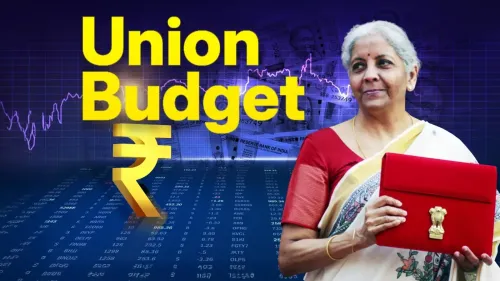
Union Budget reinforces India's position as an investment destination.
Proposed public capital expenditure of ₹12 trillion anticipated to boost the economy.
Short-term challenges may arise from STT increases affecting market liquidity.
Long-term earnings narrative remains optimistic for India.
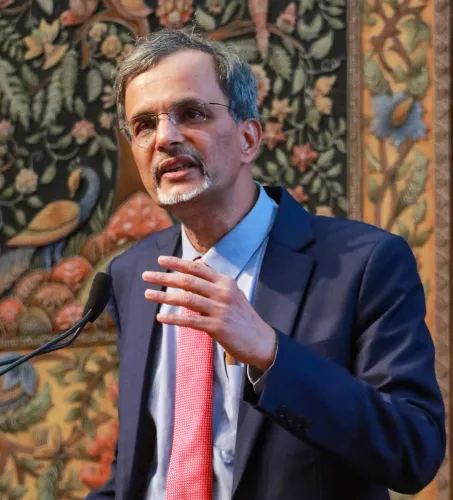
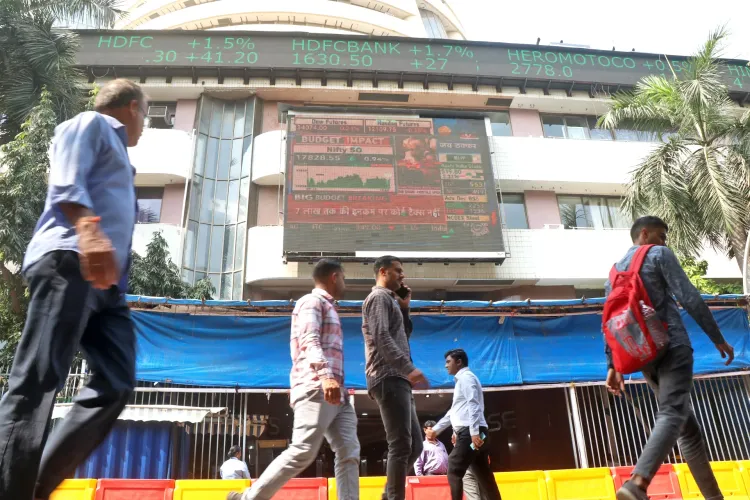
Mumbai, Feb 1 (NationPress) The recalibration of the Securities Transaction Tax (STT) aims to motivate investors to concentrate on long-term equity participation, thus promoting healthier liquidity and fostering more sustainable market dynamics, stated Sundararaman Ramamurthy, Managing Director and CEO of BSE, on Sunday.
In a climate marked by global uncertainty, this Union Budget “reinforces India's position as a resilient and future-ready investment hub, with capital markets that are becoming deeper, more balanced, and strategically aligned with long-term economic goals,” Ramamurthy remarked in a statement.
The Budget represents another significant stride towards achieving the vision of Viksit Bharat, underscoring capital formation, fiscal discipline, and the enhancement of key growth sectors like infrastructure, manufacturing, services, and SMEs.
According to the BSE CEO, from a market perspective, the initiatives announced—including efforts to deepen corporate and municipal bond markets, raised investment limits for PROI, modifications to the buyback tax, and other reforms—are evidently development-oriented.
“The suggested public capital expenditure of around ₹12 trillion (₹12 lakh crore) is set to create a substantial positive influence across the economy,” he observed.
Raamdeo Agrawal, Chairman and Co-founder of Motilal Oswal Financial Services Ltd, remarked that the budget is a masterstroke for India’s digital landscape.
“Nonetheless, we must be pragmatic regarding the implications of STT on capital markets. The STT increase and the discontinuation of dividend set-offs appear to be presenting challenges to markets. They render numerous high-frequency and arbitrage trades impractical, which may reduce market liquidity and leverage in the short term,” he stated.
However, with a prudent 4.3 percent fiscal deficit and a ₹12.2 lakh crore capex initiative, the long-term earnings narrative remains the true champion for India,” Agrawal added.
Anand James, Chief Market Strategist at Geojit Investments Limited, noted that superficially, the STT increase is favorable for equity as option trades become pricier.
“At a portfolio level, the impact on the derivative segment could necessitate rebalancing, potentially dragging the equity segment in the short term. However, it is difficult to assert that the hike alone will deter speculative interest linked to the derivatives market, particularly options,” he commented.
Point of View
We recognize that the recalibration of the Securities Transaction Tax is a strategic move towards fostering long-term investment in India's equity markets. This initiative reflects a commitment to enhancing market dynamics while aligning with broader economic objectives. It remains essential to monitor the potential short-term impacts on liquidity and trading strategies, ensuring that investors remain informed and prepared.
NationPress
28 Sept 2026
Frequently Asked Questions
What is the purpose of the STT recalibration?
The recalibration of the Securities Transaction Tax is intended to motivate investors to focus on long-term equity participation, enhancing market stability and liquidity.
How will the Union Budget affect capital markets?
The Union Budget aims to reinforce India's position as a resilient investment destination, with measures designed to deepen the capital markets and align with long-term economic goals.
What is the projected impact of the proposed public capital expenditure?
The proposed public capital expenditure of approximately ₹12 trillion is expected to have a significant positive effect on the economy.
What challenges might arise from the STT hike?
The STT hike, along with the removal of dividend set-offs, may lead to reduced market liquidity and make high-frequency trades less viable in the short term.
What is the outlook for India's economy following the Budget?
Despite short-term challenges, the long-term earnings potential of India's economy remains strong, bolstered by prudent fiscal measures.