April 1 STT Increase on Futures and Options: Limited Long-Term Consequences
Synopsis
As investors brace for the upcoming fiscal reforms, the hike in Securities Transaction Tax (STT) on futures and options raises concerns. While the immediate impact may affect trading costs, experts believe the long-term implications will be minimal.
Key Takeaways
STT on futures increased to 0.05% .
STT on options premiums raised to 0.15% .
Concerns over foreign portfolio investor flows.
Retail and high-frequency traders affected by higher costs.
Long-term market impact remains largely unchanged.
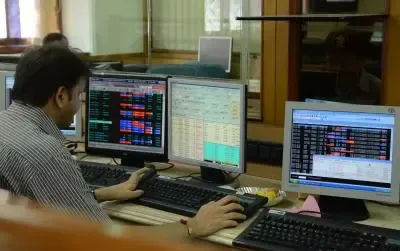
New Delhi, March 31 (NationPress) As the fiscal year FY26 nears its conclusion on Tuesday, investors are preparing for a series of reforms, including new Securities Transaction Tax (STT) regulations set to take effect on April 1.
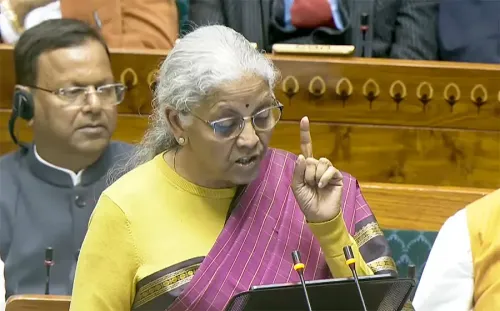
Numerous brokers, traders, and demat account holders are expressing concern regarding the significant hike in STT on futures and options (F&O) transactions, a change revealed by Finance Minister Nirmala Sitharaman during the Union Budget FY26-27. The new rules include a substantial increase in fees associated with options.
Specifically, STT on futures has been elevated to 0.05 percent, up from the previous 0.02 percent.
In a similar vein, the STT on options premiums and exercise has risen to 0.15 percent from the former rates of 0.10 percent and 0.125 percent, respectively.
Experts predict that this increase in STT—particularly in the derivatives market—may have a slight negative effect on foreign portfolio investor (FPI) inflows in the short term, especially for high-frequency and derivatives-focused global funds.
"Following the post-Budget adjustments, the rise in STT significantly raises transaction costs for active trading strategies," they commented.
Recent data indicates that FPIs are already becoming more cautious, with equity outflows surpassing Rs 41,000 crore in January 2026 alone, highlighting global risk aversion, high US bond yields, and currency instability.
In this context, an elevated STT could diminish post-tax returns, rendering India less appealing for short-term and derivative-focused foreign investments, they added.
Nonetheless, analysts believe that the repercussions for long-only, fundamentally driven FPIs are expected to be minimal, as their investment choices are primarily influenced by earnings forecasts, currency reliability, and policy stability.
That said, the rise in transaction costs might lead to a slight shift in global allocations towards other Asian markets, particularly as India faces competition from AI-driven capital flows directed towards the US, Taiwan, and South Korea.
"While the STT increase could enhance tax revenues, it may also dampen trading volumes and slow down tactical FPI involvement," experts stated, noting that sustained inflows will largely hinge on macroeconomic stability, rupee performance, and policy continuity.
Market participants remarked that the rise in STT effective April 1 has taken some stakeholders by surprise.
"The increase will particularly affect retail and high-frequency traders due to significantly higher transaction costs. While this may marginally impact certain trading strategies, the overall market participation trends are expected to remain stable," they added.
However, several analysts have indicated that the proposed increase in STT on derivatives is likely to have a limited short-term effect on trading activity, with the long-term market dynamics anticipated to remain largely unchanged. They highlighted that the rise in STT will elevate trading expenses, particularly for retail traders and high-frequency market participants, which could temporarily reduce F&O volumes.
"Increased transaction costs may hinder retail engagement in the short run, although historical trends imply that activity usually stabilizes following an initial downturn," market experts explained.
Point of View
The rise in STT on derivatives reflects the government's fiscal strategy. While it may lead to short-term adjustments in trading behavior, the fundamentals driving long-term investments remain intact, highlighting the resilience of India's market.
NationPress
3 Oct 2026
Frequently Asked Questions
What is the new rate for STT on futures?
The STT on futures has been increased to 0.05 percent from the previous rate of 0.02 percent.
How will the STT hike affect foreign investments?
Experts indicate that the increase in STT may have a marginal negative impact on foreign portfolio investor flows, particularly for high-frequency trading.
What are the rates for STT on options after the hike?
The STT on options premiums has risen to 0.15 percent, up from 0.10 percent, and the exercise rate increased to 0.15 percent from 0.125 percent.
Will retail traders be affected by the STT increase?
Yes, retail traders and high-frequency traders are expected to face significantly higher transaction costs due to the STT hike.
What is the long-term outlook for the market post-STT increase?
Analysts believe that while the increase may dampen trading volumes initially, the long-term market dynamics are likely to remain stable.