Experts Predict Limited Effect of STT Increase on Derivatives Trading
Synopsis
As the Securities Transaction Tax (STT) increase on derivatives approaches, experts believe its impact will be short-lived. While retail traders may initially pull back, the long-term market landscape is expected to remain intact.
Key Takeaways
The proposed STT increase is set to take effect on April 1, 2026.
The tax on futures contracts will more than double, impacting trading costs.
Retail participation may initially decrease, but historical trends suggest recovery.
The derivatives market is expected to adapt rather than experience a prolonged decline.
Government tax revenues are likely to increase without major disruptions to the market.
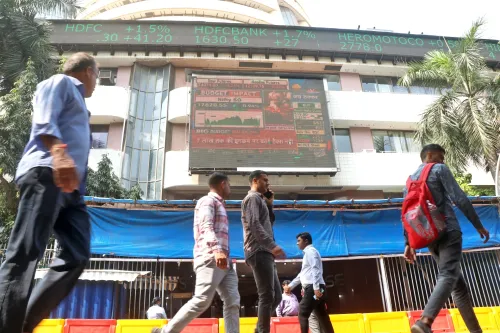
Mumbai, March 25 (NationPress) The anticipated increase in Securities Transaction Tax (STT) on derivatives, set to be implemented on April 1, is projected to have a minimal short-term effect on trading activities, while the long-term market dynamics are expected to remain relatively stable, according to experts.
Experts highlighted that the hike in STT will elevate trading expenses, especially for retail investors and high-frequency traders, which could result in a temporary reduction in futures and options (F&O) volumes.
“Increased transaction costs may deter retail participation initially, although historical trends indicate that trading activity usually rebounds after an initial decline,” market analysts stated.
Simultaneously, the overall derivatives market is anticipated to stay robust, with shifts in trading preferences rather than a prolonged drop in volumes.
“Historical data shows that regulatory changes have not significantly affected overall market activity, even as participants may modify their strategies to mitigate costs,” they added.
As of March, the total volume of index options contracts reached 234 crore, compared to 259 crore in November 2025, 299 crore in December 2025, and 356 crore in January 2026, before slightly decreasing to 355 crore in February.
Experts also mentioned that the rise in futures trading expenses could steer participants towards options-based strategies.
“Traders may increasingly turn to options structures, such as synthetic positions, to achieve futures exposure while incurring lower tax costs,” they noted.
Furthermore, brokerage firms may experience temporary revenue pressures due to lower volumes and reduced commissions, while foreign investor involvement in derivatives might slightly decrease, favoring long-only strategies.
In contrast, the government is anticipated to benefit from increased tax revenues without significantly disrupting the overall market framework.
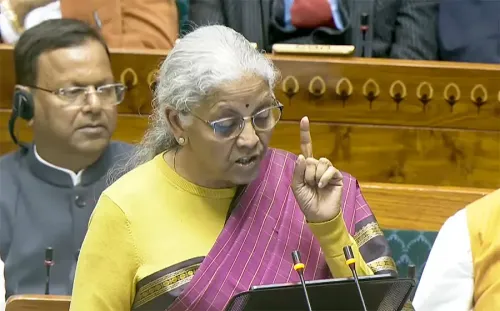
The government has adjusted the STT on futures and options in the Union Budget for 2026–27, effective from the new fiscal year starting April 1, 2026.
The tax on futures contracts has been raised to 0.05 percent from 0.02 percent, while the STT on options premiums and exercise has been increased to 0.15 percent and 0.125 percent, respectively. This decision aims to mitigate excessive speculation in the derivatives market, particularly among retail investors.
Concerns have heightened in recent years, with regulatory reports revealing that over 90 percent of retail participants face losses in F&O trading.
Point of View
It's crucial to provide an unbiased perspective on the upcoming STT hike. While there are concerns about its immediate effects on trading volume, historical patterns suggest resilience in the derivatives market. Stakeholders should prepare for potential shifts in trading strategies rather than panic.
NationPress
19 Sept 2026
Frequently Asked Questions
What is the Securities Transaction Tax (STT)?
The Securities Transaction Tax (STT) is a tax levied on transactions involving securities, aimed at curbing excessive speculation and generating revenue for the government.
How will the STT hike impact retail traders?
The STT hike may increase trading costs for retail traders, potentially leading to a temporary decline in their participation in the derivatives market.
What changes are being made to STT in the 2026-27 budget?
In the 2026-27 budget, the STT on futures contracts will rise to 0.05% from 0.02%, and on options premiums and exercise, it will increase to 0.15% and 0.125%, respectively.
Will the overall derivatives market be affected significantly?
Experts believe the overall derivatives market will remain resilient, with shifts in trading preferences rather than a sustained decline in volumes.
Why are there concerns about retail traders in F&O trading?
Concerns arise from regulatory findings indicating that over 90% of retail participants incur losses in futures and options trading.