CBIC chief outlines next-gen GST reforms at Hyderabad taxpayers' meet
Synopsis
The CBIC chief flew into Hyderabad with a clear message: GST's enforcement era is giving way to a trust-based compliance era. Arrest powers are gone for common defaults, the prosecution bar has jumped from ₹1 crore to ₹5 crore, and notices below ₹10,000 are being scrapped entirely — reforms that could materially alter how India's 14-million-plus GST registrants experience the tax system.
Key Takeaways
CBIC Chairman Vivek Chaturvedi and Member (GST) Sanjay Mangal addressed 250 stakeholders in Hyderabad on 16 October 2026 .
The GST Council has removed the power of arrest for tax officers in cases of late filing, errors, or payment delays.
The prosecution threshold has been raised from ₹1 crore to ₹5 crore , with punishment left to judicial discretion .
No notices will be issued for demands of ₹10,000 or below ; pending notices below that amount are to be withdrawn.
Reforms also include automated refunds , intelligence-based vehicle inspections, and reduced manual compliance interventions.
The CBIC sought stakeholder feedback on a proposed centralised GST administration for Central Government taxpayers.
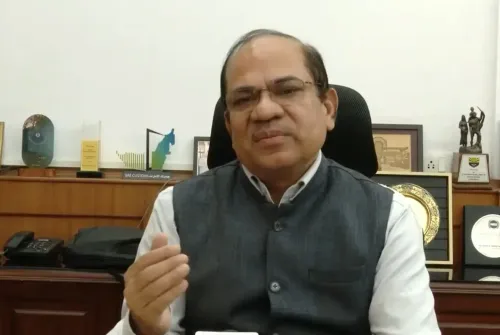
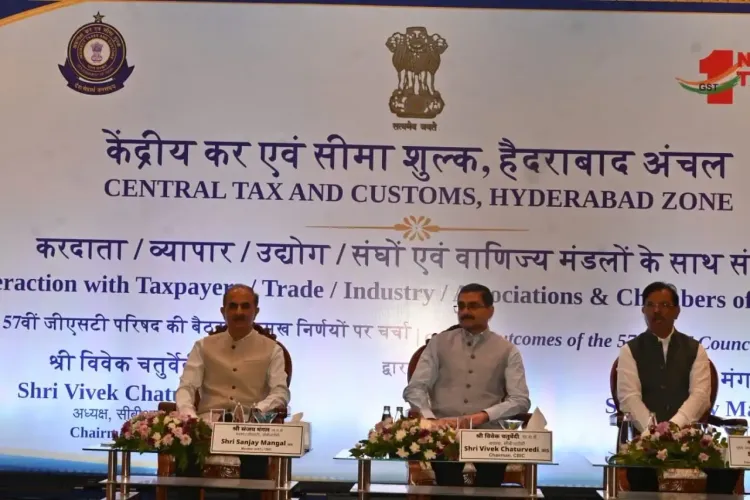
Vivek Chaturvedi, Chairman of the Central Board of Indirect Taxes and Customs (CBIC), and Sanjay Mangal, Member (GST), on Thursday, 16 October 2026, met with trade and industry representatives in Hyderabad to explain next-generation GST process reforms designed to simplify compliance and reduce the burden on honest taxpayers. Around 250 stakeholders — spanning MSMEs, large manufacturers, service providers, traders, exporters, start-ups, e-commerce operators, and industry associations — participated in the engagement.
Key Reforms on the Table
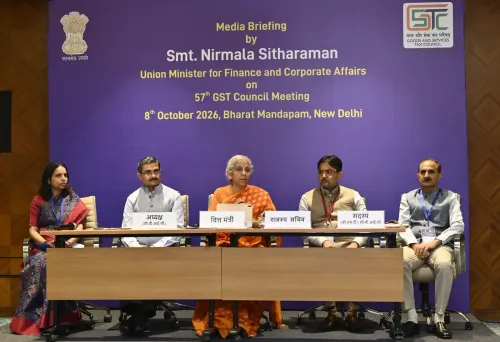
The officials outlined a suite of taxpayer-friendly measures emerging from the recommendations of the 57th GST Council Meeting. These include automated refunds, reduced manual interventions in compliance processes, rationalisation of arrest and prosecution provisions, and intelligence-based vehicle inspections. The CBIC also sought stakeholder feedback on a proposed centralised administration of GST for taxpayers under Central Government jurisdiction.
Arrest Powers Removed, Prosecution Threshold Raised
In one of the more significant structural changes, the GST Council has removed the power of arrest for tax officers in cases of late filing, errors, or payment defaults. A taxpayer in such situations will now face only recovery, interest, and proportionate penalties — not arrest or criminal proceedings.
Additionally, the prosecution threshold has been raised from ₹1 crore to ₹5 crore. The Council has also left the nature of punishment — whether a fine, imprisonment, or both — entirely to judicial discretion in every case, a move widely seen as a check against arbitrary enforcement.
Standardised Notices and Monetary Thresholds
The GST Council has recommended common standards for notices and proceedings. Critically, no notices will be issued for demands of ₹10,000 or below, and all pending notices below that threshold are to be withdrawn. The move is aimed at reducing litigation clutter and freeing up both taxpayer bandwidth and administrative resources.
Stakeholder Response and What Officers Were Told
Trade and industry representatives broadly welcomed the reforms, emphasising their potential to strengthen trust-based tax administration, improve business cash flows, and enhance ease of doing business. In a separate session with CBIC officers following the public interaction, Chaturvedi and Mangal stressed the need for a transparent, friction-free, and predictable tax administration framework going forward.
What Comes Next
The outreach in Hyderabad is part of a broader government initiative to engage directly with taxpayers as the GST regime enters its next phase of reform. With the 57th GST Council recommendations now being communicated at the ground level, the focus shifts to implementation timelines and how quickly the centralised administration proposal is operationalised. Industry bodies will be watching closely to see whether the reform intent translates into measurable ease at the transactional level.
Point of View
But the test is in the fine print: will field officers align behaviour with the new trust-based mandate, or will informal coercion persist under different labels? India's GST has long had a design-versus-execution gap — reforms announced at Council level often take years to become taxpayer reality. The ₹10,000 notice withdrawal is a low-hanging win for reducing litigation, but the centralised administration proposal deserves scrutiny; it could streamline or, alternatively, concentrate discretionary power in ways that disadvantage smaller filers far from Delhi. The Hyderabad outreach is directionally right — but the credibility of these reforms will be measured in refund turnaround times and officer conduct, not in PowerPoint slides at stakeholder meets.
NationPress
16 Oct 2026
Frequently Asked Questions
What are the next-gen GST reforms announced by the CBIC?
The CBIC outlined reforms from the 57th GST Council Meeting, including automated refunds, removal of arrest powers for tax officers in routine default cases, raising the prosecution threshold from ₹1 crore to ₹5 crore, no notices for demands of ₹10,000 or below, and intelligence-based vehicle inspections. These are aimed at simplifying compliance and reducing the burden on honest taxpayers.
Why has the GST Council removed the power of arrest for tax officers?
The Council removed arrest powers to ensure that taxpayers who file late, make errors, or fall behind on payments face only proportionate penalties — recovery, interest, and fines — rather than criminal proceedings. The change is part of a broader shift toward trust-based tax administration.
What is the new prosecution threshold under GST?
The GST Council has raised the minimum threshold for prosecution from ₹1 crore to ₹5 crore. In all cases that do meet the threshold, the nature of punishment — fine, imprisonment, or both — is left to judicial discretion rather than being mandatory.
What is the new rule on GST notices?
The GST Council has recommended that no notices be issued for tax demands of ₹10,000 or below, and that all pending notices below this threshold be withdrawn. The move is intended to cut down litigation and reduce the compliance load on small taxpayers.
Who attended the Hyderabad taxpayers' meet and what did they say?
Around 250 stakeholders attended, representing MSMEs, large manufacturers, service providers, traders, exporters, start-ups, e-commerce operators, and industry associations. They broadly welcomed the reforms, saying the measures could strengthen trust-based tax administration, improve business cash flows, and enhance ease of doing business.