57th GST Council reforms: Expert hails arrest curbs, MSME relief measures
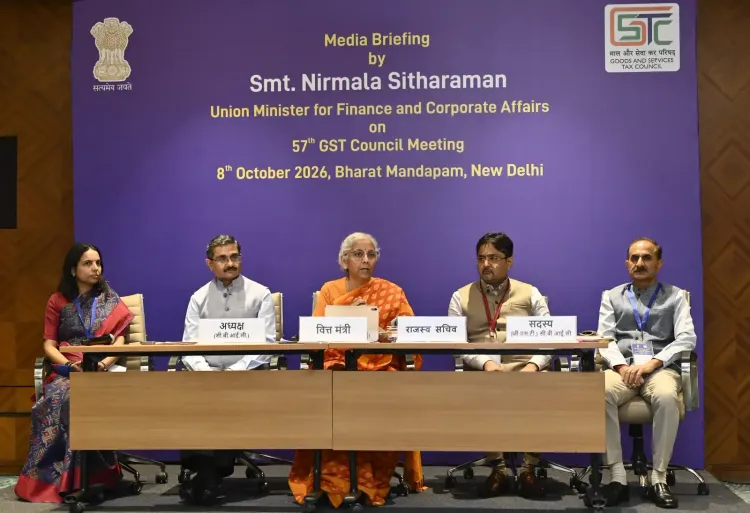
Synopsis
The 57th GST Council's reform package goes beyond tweaks — removing tax officers' arrest powers, raising the prosecution bar fivefold, and scrapping low-value MSME notices. Expert Ajay Rotti says the changes show the Council is finally listening to industry. The real test is how fast states translate these recommendations into enforceable rules.
Key Takeaways
The 57th GST Council has recommended removing tax officers' powers of arrest under GST law.
The prosecution threshold has been raised from ₹1 crore to ₹5 crore , narrowing the scope of criminal action in tax disputes.
The general penalty has been reduced from ₹25,000 to ₹10,000 .
Notices for tax demands of up to ₹10,000 will be withdrawn, easing the burden on MSMEs and the GST department alike.
The Council also recommended wider input tax credit eligibility, faster refunds, and simplified e-commerce seller registration.
Financial expert Ajay Rotti called the cumulative changes evidence that policymakers have 'had their ears to the ground' on industry concerns.
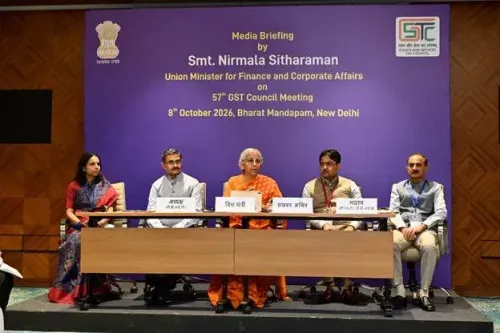
Financial expert Ajay Rotti on Thursday, 8 October 2026, praised the process-driven reforms recommended by the 57th GST Council, calling them a meaningful step toward ease of doing business and a more balanced relationship between tax authorities and industry. Speaking from New Delhi, Rotti highlighted several structural changes — including the curtailment of tax officers' arrest powers and the withdrawal of low-value tax demand notices — as evidence that policymakers have genuinely listened to industry concerns.
On Arrest Powers and Prosecution Threshold
One of the headline recommendations is the removal of tax officials' powers of arrest under GST and the raising of the prosecution threshold from ₹1 crore to ₹5 crore. Rotti argued the change restores appropriate jurisdictional boundaries.
'If there's a criminality involved in anything that you do with taxes like misuse or fraud, the IPC or the BNS takes its own course. Earlier, the tax officers also had the powers to arrest, and the police also got the powers to arrest. The tax officers' powers have now been curtailed, rightly so, because if there's criminality anywhere, the criminal law can take its own course,' he said.
Relief for MSMEs: Low-Value Notices Withdrawn
The Council has also recommended withdrawing notices related to tax demands of up to ₹10,000 — a move Rotti described as 'a great move' for small businesses. 'Taking out these low-value notices reduces the burden both on the taxpayer and on the GST department to track whether those penalties have been paid,' he noted. 'So that's again a good move for ease of doing business.'
This is particularly significant for micro, small and medium enterprises (MSMEs), which have historically faced disproportionate compliance costs relative to the value of the disputes involved. By clearing the backlog of minor demand notices, the reform could free up both administrative resources and business bandwidth.
Full Scope of Council Recommendations
The 57th GST Council has put forward a wide-ranging package of reforms. Key recommendations include: removal of arrest provisions under GST; raising the prosecution threshold from ₹1 crore to ₹5 crore; reduction in general penalty from ₹25,000 to ₹10,000; wider eligibility for input tax credit and refunds; further simplification of registration and compliance processes; faster refunds to improve working capital; and common standards for GST notices and proceedings.
Additionally, the Council has recommended measures for smoother movement of goods across states, intelligence-based and authorised interception of goods, simplified GST registration for small sellers on e-commerce platforms, and measures to facilitate the export of services.
Broader Significance
Rotti noted that the cumulative effect of multiple small changes signals a shift in institutional attitude. 'Multiple small changes announced show that the GST Council teams have been having their ears to the ground and have really heard the industry concerns,' he said.
This comes amid longstanding calls from industry bodies for a lighter regulatory touch on routine tax compliance, particularly for smaller firms. Notably, the reduction in general penalty — from ₹25,000 to ₹10,000 — and faster refunds directly address working capital pressures that businesses, especially exporters, have flagged for years. With GST collections remaining robust, the Council appears to have the fiscal headroom to absorb the administrative cost of these concessions.
Implementation timelines for the recommended changes are yet to be formally notified, and their full impact will depend on how quickly the states ratify and operationalise the Council's proposals.
Point of View
Something industry has demanded since GST's rollout in 2017. The prosecution threshold hike to ₹5 crore is also long overdue; at ₹1 crore, the old threshold drew in a large number of disputes that did not warrant criminal proceedings. The harder question is implementation: GST reform has a history of well-intentioned Council recommendations that take months to be notified by states and longer still to change ground-level behaviour among officers. Faster refunds, in particular, have been promised before — the gap between recommendation and reality is where this package will be truly judged.
NationPress
9 Oct 2026
Frequently Asked Questions
What did the 57th GST Council recommend?
The 57th GST Council recommended a broad set of process reforms including removal of tax officers' arrest powers, raising the prosecution threshold from ₹1 crore to ₹5 crore, reduction in general penalty from ₹25,000 to ₹10,000, withdrawal of notices for demands up to ₹10,000, faster refunds, wider input tax credit eligibility, and simplified GST registration for e-commerce sellers.
Why have tax officers' GST arrest powers been removed?
The Council recommended removing arrest powers from tax officers on the grounds that criminal matters — such as fraud or misuse — are already covered under the Indian Penal Code (IPC) or the Bharatiya Nyaya Sanhita (BNS). Expert Ajay Rotti explained that dual arrest powers for both tax officers and police created overlapping jurisdiction that has now been rationalised.
How does the withdrawal of low-value notices help MSMEs?
By withdrawing demand notices for amounts up to ₹10,000, the reform eliminates a significant administrative burden for small businesses, which often spend more in compliance costs than the disputed tax amount itself. It also reduces the GST department's own tracking workload for minor outstanding penalties.
What is the new prosecution threshold under GST?
The prosecution threshold has been raised from ₹1 crore to ₹5 crore. This means criminal prosecution under GST law can now only be initiated for tax disputes exceeding ₹5 crore, significantly narrowing the range of cases that can escalate to criminal proceedings.
When will these GST Council recommendations take effect?
The recommendations of the 57th GST Council are yet to be formally notified. Implementation requires ratification and operationalisation by member states, which means timelines will vary. Businesses and exporters should monitor official government notifications for enforcement dates.