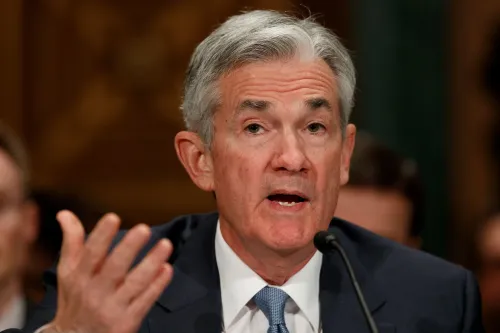
Uday Kotak warns of interest rate 'roller coaster' as bond yields surge

Synopsis
Uday Kotak's 'roller coaster' warning is more than a soundbite — it flags a structural shift. With Japan's 10-year yield tripling in two years and the BOJ poised to hike, the world's largest pool of overseas investment capital may be about to come home, and that unwind could reprice bonds globally in ways few markets are fully prepared for.
Key Takeaways
Uday Kotak warned on 2 September of a 'roller coaster ride' in global interest rate markets via a post on X .
Japan's 10-year government bond yield crossed 3 per cent for the first time since 1996 .
The US 10-year Treasury yield moved closer to 4.8 per cent .
Japan's five-year yield hit a record 2.265 per cent ; the two-year yield reached a 31-year high of 1.81 per cent .
Kotak cautioned that rising government debt may force central banks to expand balance sheets, stoking inflation and pushing short-end rates higher.
A sustained rise in JGB yields could reduce Japanese investor appetite for overseas bonds, amplifying global yield pressures.
Veteran banker Uday Kotak on Wednesday, 2 September issued a stark warning to investors about heightened volatility in global interest-rate markets, cautioning that surging government debt and widening fiscal deficits could compel central banks to expand their balance sheets — effectively printing money — which in turn could fuel inflation and push short-term interest rates sharply higher.
What Kotak Said
In a post on social media platform X, Kotak pointed to two critical data points driving his concern: Japan's 10-year government bond yield crossing 3 per cent for the first time since 1996, and the US 10-year Treasury yield edging closer to 4.8 per cent.
'Japan's 10 year bond crosses 3 per cent and US 4.8 per cent. As their government debt and deficits go up, central banks may have no option but to expand balance sheets (print money). If so, inflation goes up, short end rates go up. Be ready for a roller coaster ride in interest rate markets!' Kotak stated in his post.
His warning encapsulates a concern increasingly shared by global macro watchers: that the era of structurally low interest rates may be giving way to a more turbulent, inflation-prone regime.
Japan's Bond Market at the Centre of Global Concern
The movement in Japanese government bond (JGB) yields is particularly consequential for global capital flows. Japan has historically been among the world's largest pools of savings, with its decades-long ultra-low interest rate environment pushing Japanese investors to seek higher returns in overseas bonds and assets.
A sustained rise in domestic Japanese yields could gradually reverse that dynamic. If JGBs begin offering more competitive returns, Japanese investors may reduce their incremental purchases of overseas bonds — potentially amplifying upward pressure on global yields across markets.
Notably, the 10-year JGB yield has more than tripled over the past two years, driven by rising domestic inflation, concerns over Japan's fiscal trajectory, and growing market expectations that the Bank of Japan (BOJ) may accelerate its pace of rate hikes.
Across the Japanese Yield Curve
The surge is not confined to the long end. The five-year JGB yield hit a record 2.265 per cent, while the two-year yield climbed to a 31-year high of 1.81 per cent, as markets priced in the likelihood of a BOJ rate hike at its upcoming policy meeting. This broad-based move across maturities signals that the market is not treating the yield spike as a short-term anomaly but as part of a structural repricing of Japanese monetary policy.
What This Means for Global Markets
This comes amid a broader global environment where sovereign debt loads have ballooned post-pandemic, leaving central banks with fewer conventional tools to manage inflation without risking financial instability. For India, higher global yields typically translate into pressure on the rupee, tighter domestic liquidity conditions, and potential capital outflows as foreign investors reassess emerging market risk.
The Reserve Bank of India (RBI) and domestic bond markets will be closely watched in the weeks ahead as these global signals feed through. With the BOJ meeting approaching and US Treasury yields remaining elevated, the near-term outlook for global rate markets remains, as Kotak put it, a ride few investors should take lightly.
Point of View
Not just market commentary. Japan's yield curve has been the quiet backbone of global bond markets for decades — cheap domestic rates pushed trillions into US Treasuries and other overseas assets, suppressing yields worldwide. That carry trade is now unwinding, and the speed of the JGB move suggests markets are repricing Japan's entire monetary era. For India, the risk is indirect but real: higher global yields tighten the cost of capital, pressure the rupee, and reduce the RBI's room to manoeuvre. The mainstream narrative focuses on the Fed; the bigger story may be Tokyo.
NationPress
2 Sept 2026
Frequently Asked Questions
What did Uday Kotak warn about interest rates?
Uday Kotak warned on 2 September that rising government debt and fiscal deficits could force central banks to expand their balance sheets — effectively printing money — which could drive up inflation and short-term interest rates. He urged investors to brace for a 'roller coaster ride' in interest rate markets, citing Japan's 10-year bond yield crossing 3 per cent and the US 10-year yield nearing 4.8 per cent.
Why is Japan's bond yield surge significant for global markets?
Japan has historically been one of the world's largest pools of savings, with ultra-low domestic rates pushing Japanese investors to buy overseas bonds and assets. A sustained rise in Japanese yields could make domestic assets more attractive, potentially reducing Japanese demand for foreign bonds and putting upward pressure on global yields. The 10-year JGB yield has more than tripled over the past two years.
What levels have Japanese bond yields reached?
Japan's 10-year government bond yield crossed 3 per cent for the first time since 1996. The five-year yield hit a record 2.265 per cent, and the two-year yield rose to a 31-year high of 1.81 per cent, as markets priced in a likely Bank of Japan rate hike.
What is driving the rise in Japanese bond yields?
The surge in Japanese government bond yields is being driven by rising domestic inflation, concerns over Japan's fiscal position, and growing market expectations that the Bank of Japan will accelerate its pace of interest-rate hikes. The broad move across maturities suggests markets view this as a structural repricing rather than a temporary spike.
How could rising global bond yields affect India?
Higher global bond yields typically put pressure on the Indian rupee, tighten domestic liquidity conditions, and can trigger capital outflows as foreign investors reassess emerging market risk. The Reserve Bank of India and domestic bond markets are likely to be closely monitored as these global signals feed through to local financial conditions.