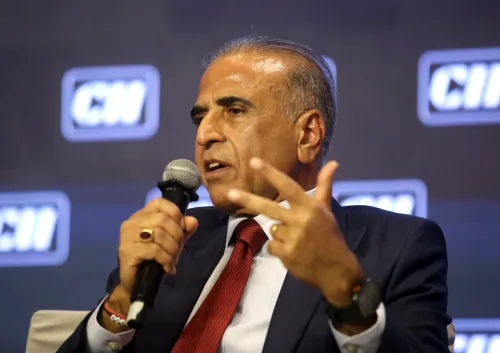
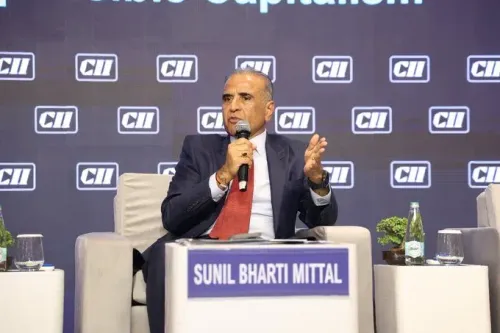
UK government likely to block Sunil Mittal's BT stake increase, reports say
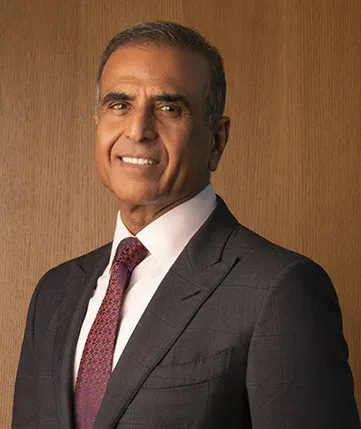
Synopsis
The UK government is reportedly ready to block Sunil Mittal's ambition to raise Bharti's stake in BT Group beyond 24.95% — a direct clash with his publicly stated goal of reclaiming majority control as part of a generational succession plan. With London invoking critical infrastructure sovereignty, Mittal's BT play has hit a political wall that no commercial manoeuvre can easily bypass.
Key Takeaways
The UK government is reportedly set to oppose any increase in Bharti Enterprises' stake in BT Group , per a Financial Times report dated 28 May .
Bharti currently holds a 24.95 per cent stake in BT , making it one of the company's largest shareholders.
Reports had suggested Bharti was exploring raising its stake to just below the mandatory takeover threshold.
Sunil Bharti Mittal has publicly stated his wish for Bharti Telecom to eventually regain a majority stake of 51 per cent or just over 50 per cent .
Mittal and Gopal Vittal joined the BT board as non-executive directors in September 2024 .
Bharti Airtel shares closed flat at ₹1,851.25 on the BSE on Wednesday .
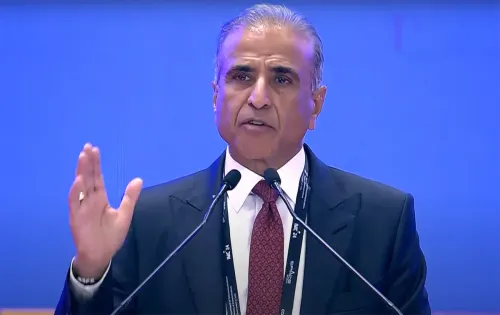
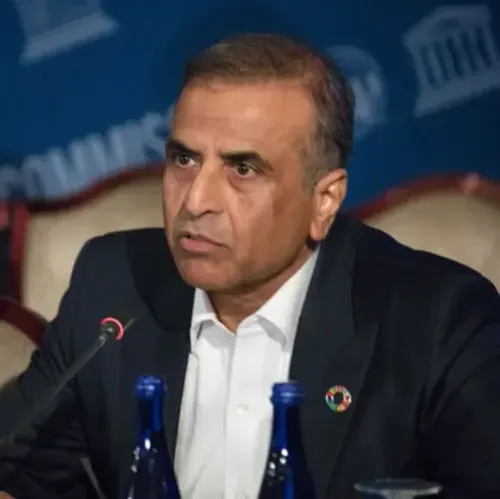
The British government is reportedly set to oppose any move by Bharti Enterprises Chairman Sunil Bharti Mittal to raise his stake in telecom giant BT Group, citing the need to protect sovereign control over critical national infrastructure. The development, reported by the Financial Times on 28 May, adds a significant political dimension to what had been framed as a commercial question.
What the Reports Say
According to the Financial Times, citing people familiar with the matter, UK government officials would resist any expansion of Bharti's ownership in BT beyond its current level. A spokesperson for Mittal declined to comment, and BT also did not respond to queries, the report noted.
The report follows earlier coverage suggesting Bharti Enterprises had been exploring the possibility of raising its stake to just below the threshold that would trigger a mandatory takeover offer for the company — a move that would have significant regulatory and political consequences in the United Kingdom.
Bharti's Current Position in BT
Bharti Enterprises currently holds a 24.95 per cent stake in BT Group, making it one of the largest shareholders in the British telecom operator. In September 2024, Sunil Bharti Mittal and Gopal Vittal, vice-chairman and managing director of Bharti Airtel, joined the BT board as non-independent non-executive directors — a move that deepened the Indian conglomerate's operational involvement in the company.
A Bharti spokesperson had previously stated that the company was satisfied with its existing shareholding and had no current plans to increase it further.
Mittal's Long-Term Vision
Despite the official line, Mittal has been candid about his longer-term ambitions. Speaking on a company earnings call earlier this month, he said he hopes Bharti Telecom will eventually regain a majority controlling stake as he prepares to hand over leadership to the next generation.
'If you really ask me, my own wish is that in the next decade, I know it is hard to put in years on it and then next decade. As I kind of come to a point where I hand over the reins to the next generation and shareholders, Bharti Telecom should get back to controlling shareholding 51 per cent or just over 50 per cent,' Mittal said during the concall.
That aspiration now appears to be on a direct collision course with UK government policy on foreign ownership of strategic assets.
Broader Context: UK's Infrastructure Sovereignty Concerns
The reported opposition reflects a wider pattern of Western governments tightening scrutiny over foreign investment in critical infrastructure — from telecoms and energy to ports and semiconductors. BT, which operates core broadband and enterprise networks across the UK, is considered a strategically sensitive asset. Notably, this is not the first time a foreign investor's ambitions in BT have drawn government attention; the company has long been regarded as too central to national communications to be left entirely to market forces.
Shares of Bharti Airtel settled flat at ₹1,851.25 per share on the BSE on Wednesday.
What Happens Next
With the UK government reportedly unwilling to accommodate a larger Bharti footprint, Mittal's succession plan — which hinges on reclaiming majority control — faces a structural obstacle that goes beyond deal mechanics. Analysts will watch whether Bharti formally tests the government's position or opts to consolidate influence through board representation rather than ownership. The next move is likely to be diplomatic as much as commercial.
Point of View
And no amount of board-level goodwill resolves that sovereignty gap. Bharti's path forward likely runs through patient diplomacy and regulatory lobbying, not a stake-building sprint — and even then, the ceiling may be lower than Mittal publicly hopes.
NationPress
11 Oct 2026
Frequently Asked Questions
Why is the UK government opposing Sunil Mittal's move to increase BT stake?
The UK government is reportedly concerned about maintaining sovereign control over critical national infrastructure. BT operates core broadband and enterprise networks across the UK, making it a strategically sensitive asset that officials are reluctant to see come under greater foreign ownership.
What is Bharti Enterprises' current stake in BT Group?
Bharti Enterprises currently holds a 24.95 per cent stake in BT Group, making it one of the British telecom company's largest shareholders. Bharti's Sunil Mittal and Gopal Vittal also serve on BT's board as non-independent non-executive directors.
What stake was Bharti reportedly considering acquiring in BT?
According to reports, Bharti Enterprises was exploring raising its stake to just below the threshold that would trigger a mandatory takeover offer for BT. The exact figure was not confirmed, and a Bharti spokesperson previously said the company had no current plans to increase its stake.
What has Sunil Mittal said about his long-term plans for BT?
Mittal said during a company earnings call that his wish is for Bharti Telecom to eventually regain a controlling shareholding of 51 per cent or just over 50 per cent in the next decade, as he prepares to hand over leadership to the next generation.
How did Bharti Airtel shares react to the news?
Bharti Airtel shares settled flat at ₹1,851.25 per share on the BSE on Wednesday, suggesting markets had largely priced in the uncertainty around the BT stake question.