US-Iran peace deal: Assocham calls it major breakthrough for global economy
Synopsis
The US-Iran peace agreement has drawn an enthusiastic response from Indian industry, with Assocham projecting a 7% GDP growth for India in FY2026-27. But the deal is incomplete — uranium enrichment limits and Iran's highly enriched stockpile remain unresolved, and Tehran has signalled it won't finalise terms until Washington delivers on its commitments first.
Key Takeaways
Assocham president Nirmal K Minda called the US-Iran peace deal a 'major breakthrough' on 15 June .
India is projected to achieve a GDP growth rate of 7 per cent in FY2026-27 , aided by government and RBI policy measures.
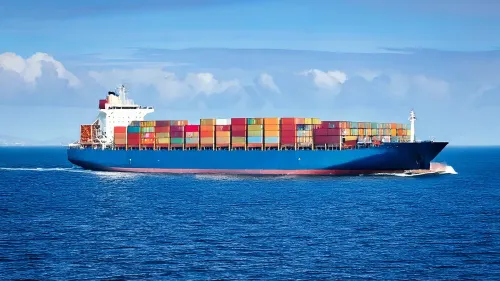
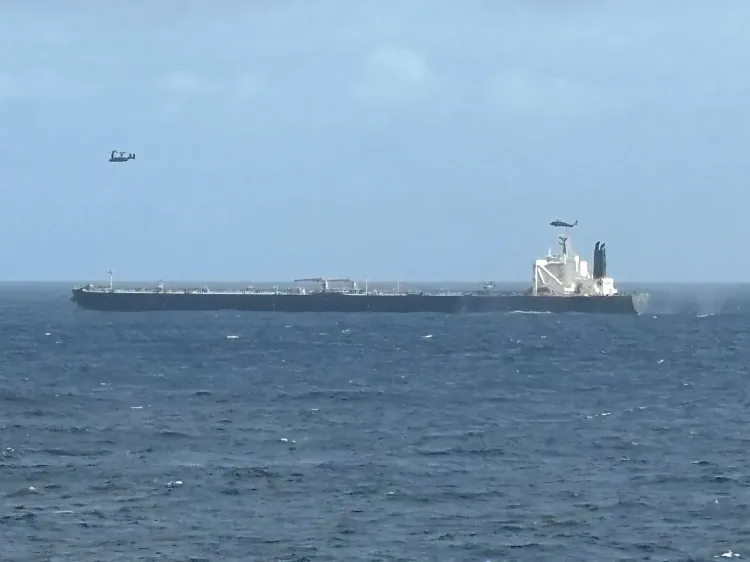
US President Donald Trump announced the Strait of Hormuz will reopen to commercial shipping and the US naval blockade will be lifted.
US Vice-President JD Vance confirmed Iran's non-possession of a nuclear weapon is 'built into' the agreement, with US verification mechanisms in place.
Key issues — uranium enrichment restrictions and Iran's highly enriched uranium stockpile — remain unresolved and are subject to further talks.
Iran's Supreme National Security Council has stated final negotiations are contingent on the US fulfilling its commitments under the memorandum of understanding first.
Business chamber Assocham on Monday, 15 June welcomed the peace agreement between the United States and Iran as a landmark development, stating it would benefit the entire world and steer the global economy back onto a growth trajectory. The industry body's remarks came a day after US President Donald Trump publicly celebrated the accord on social media.
Assocham's Assessment
Assocham president Nirmal K Minda described the agreement as long-awaited. 'The peace deal had been awaited for many weeks. This is a major breakthrough between the USA and Iran for the benefit of the whole world, as war benefits no one,' he said.
Minda added that India, which had already managed to cushion itself from the worst effects of the West Asia conflict, was now positioned for a stronger rebound. 'India, though it mitigated the West Asia war impacts to a large extent, is expected to rebound strongly to attain its trend growth rate in the current financial year 2026-27. We can expect India to clock a growth rate of 7 per cent in FY2026-27 with dynamic and effective policy measures of the Government of India and the Reserve Bank of India in recent months,' he observed. The peace deal, he added, is expected to help the global economy achieve its earlier estimated GDP growth rate.
What Trump and Vance Said
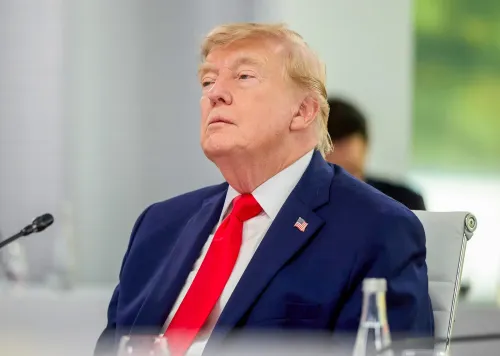
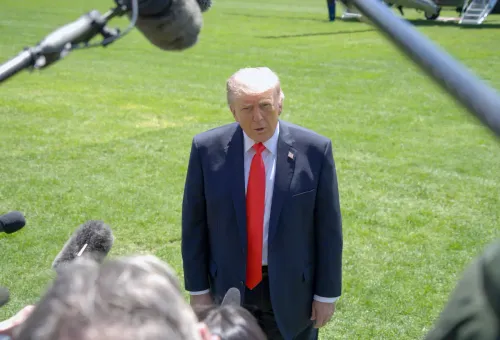
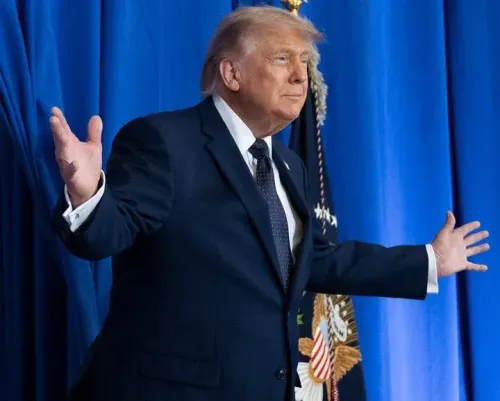
President Trump, welcoming the agreement in a social media post on Sunday, declared that the Strait of Hormuz would be reopened to commercial shipping and that the US would lift its naval blockade. 'Let the oil flow!' he remarked. Trump also claimed that, unlike past US presidents, he had secured 'a great deal that would bring peace and security to the whole region.'
US Vice-President JD Vance, speaking in an interview with Fox News, said that Iran never possessing a nuclear weapon was 'built into this agreement' and that the US would be able to verify compliance. Vance also acknowledged the hardship American citizens had faced due to elevated fuel prices and their cascading adverse impact on the economy, assuring the public that fuel prices would begin to decline.
Key Unresolved Issues
Despite the celebratory tone, several critical questions remain open. Restrictions on uranium enrichment and the disposal of Iran's stockpile of highly enriched uranium are reportedly expected to be addressed in follow-up negotiations. Iran's Supreme National Security Council released a statement on Sunday indicating that 'final negotiations will be postponed until after the implementation of the other party's commitments under the memorandum of understanding' — a caveat that signals the deal is not yet fully formalised.
Implications for India and Global Markets
The reopening of the Strait of Hormuz — a critical chokepoint through which a significant share of global oil supply passes — is widely expected to ease energy prices. For India, a major oil importer, lower crude costs would provide relief on the current account and support the RBI's inflation management efforts. This comes amid a broader global effort to stabilise supply chains disrupted by the prolonged West Asia tensions. Industry observers note that the resolution, if it holds, could be a meaningful tailwind for emerging markets heading into the second half of 2026.
Point of View
But the fine print warrants caution. Tehran's insistence on sequencing — implementation of US commitments before final negotiations — suggests this is a memorandum of understanding, not a sealed treaty. The most consequential issues, uranium enrichment caps and Iran's existing highly enriched stockpile, remain open. Assocham's 7% India growth projection is plausible if oil prices fall sharply, but it is contingent on a deal that is still, by the parties' own admission, incomplete. Markets and policymakers would do well to treat this as a ceasefire with economic upside, not a concluded peace.
NationPress
26 Sept 2026
Frequently Asked Questions
What is the US-Iran peace deal announced in June 2026?
It is an agreement between the United States and Iran, welcomed publicly by President Donald Trump on Sunday, 14 June 2026, under which the Strait of Hormuz will reopen to commercial shipping and the US will lift its naval blockade. Final terms on uranium enrichment and Iran's highly enriched uranium stockpile are still subject to further negotiations.
Why has Assocham welcomed the US-Iran peace deal?
Assocham views the deal as a major breakthrough that will end a conflict which harmed the global economy and supply chains. The industry body expects the resolution to help the global economy return to its earlier estimated GDP growth rate and projects India's own growth at 7% in FY2026-27.
What does the deal mean for India's economy?
According to Assocham president Nirmal K Minda, India — which had already mitigated much of the West Asia conflict's impact — is expected to rebound strongly and clock a 7% growth rate in FY2026-27, supported by government and RBI policy measures and lower energy costs from the reopening of the Strait of Hormuz.
What issues remain unresolved in the US-Iran agreement?
Restrictions on uranium enrichment and the fate of Iran's stockpile of highly enriched uranium have not yet been settled and are expected to be addressed in subsequent talks. Iran's Supreme National Security Council has also stated that final negotiations will only proceed after the US fulfils its commitments under the memorandum of understanding.
What did US Vice-President JD Vance say about the nuclear dimension of the deal?
Vance said in a Fox News interview that Iran never possessing a nuclear weapon is 'built into this agreement' and that the US will be able to verify compliance. He also assured American citizens that fuel prices would begin to fall as a result of the deal.