US-Iran MoU a logistical game-changer for Indian exports: FIEO
Synopsis
The US-Iran MoU could be the geopolitical unlock Indian exporters have been waiting for. With Brent crude correcting toward $78, freight costs set to fall, and the rupee firming, FIEO says India is now better placed than ever to chase its $1 trillion export target — provided the diplomatic thaw holds.
Key Takeaways
FIEO called the US-Iran MoU a 'logistical game-changer' for India's export-import community on 18 June .
Lifting of the US naval blockade is expected to eliminate maritime detours and slash freight and war-risk insurance costs.
Brent crude has corrected toward $78 per barrel following the MoU, easing India's import bill.
The Indian Rupee has firmed to the 84–84.50 range against the US Dollar on reduced oil-dollar demand.
India recorded double-digit export growth in the first two months of FY27 , according to FIEO President S C Ralhan .
FIEO reaffirmed India's trajectory toward the government's $1 trillion merchandise and services export target.
The signing of the US-Iran Memorandum of Understanding marks a pivotal shift in global trade dynamics that could deliver a significant macro-economic boost to India's export-import community, the Federation of Indian Export Organisations (FIEO) said on Thursday, 18 June. The industry body described the development as a 'logistical game-changer' with far-reaching implications for Indian trade corridors.
Why the MoU Matters for Indian Trade
S C Ralhan, President of FIEO, said the prolonged conflict in West Asia had suppressed India's trade volumes — particularly with the Middle East — and that the US-Iran pact is now expected to unlock pent-up consumer and industrial demand. He forecast an immediate revival in order books and said Indian exporters are positioned to scale up their presence and accelerate shipment timelines over the coming fiscal quarters.
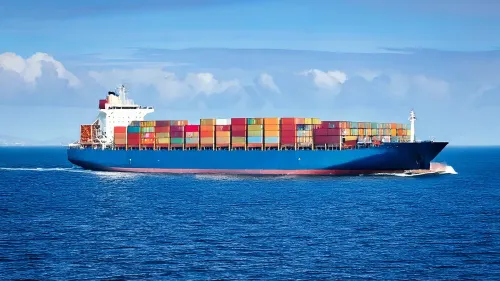
Nearly half of India's crude imports and a substantial share of its container traffic transits through the Strait of Hormuz. The lifting of the US naval blockade, according to FIEO, will eliminate lengthy maritime detours, slash freight costs, and remove the burden of elevated war-risk insurance premiums — collectively making transit to West Asian and European destinations faster and considerably cheaper.
Crude Prices, Rupee, and Input Cost Relief
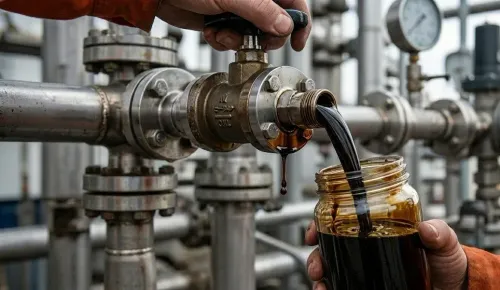
Following the MoU, Brent crude has corrected sharply toward the $78 per barrel range. Ralhan said the cooling of the geopolitical risk premium directly lowers India's import bill, eases fuel-driven inflation, and softens input costs for crude-dependent export sectors including plastics, paints, textiles, and chemicals — improving India's global competitiveness in those segments.
On the currency front, reduced dollar demand from oil refiners, combined with robust foreign capital inflows, has given the Indian Rupee a firmer footing, strengthening it to the ₹84–84.50 range against the US Dollar, according to FIEO's assessment.
India's Export Trajectory and the $1 Trillion Target
FIEO noted that India has started FY27 on an 'extremely positive note with double digit growth in each of the two months' of the fiscal year so far. Ralhan expressed confidence that the improved geopolitical environment would make conditions 'more favourable in upcoming quarters.'
'We are firmly on our course to achieve the target of US$ 1 trillion of merchandise and services exports, as announced by the government,' Ralhan said.
Broader Context and What Comes Next
The US-Iran MoU arrives at a time when Indian exporters had been navigating elevated logistics costs and route disruptions stemming from West Asian tensions. This is not the first time regional instability has pressured India's trade competitiveness — similar disruptions during earlier Gulf crises forced re-routing through longer, costlier maritime lanes.
Industry bodies and exporters will now watch closely whether the MoU translates into durable de-escalation or remains a fragile diplomatic signal. If normalisation holds, the compounding effect on freight rates, crude prices, and rupee stability could meaningfully accelerate India's march toward its export supercycle ambition.
Point of View
And the gap between announcement and execution remains wide. The more pointed question is whether Indian exporters can convert the logistics windfall into durable market-share gains in West Asia and Europe, or whether the benefit gets absorbed in margin recovery rather than volume growth. The MoU's durability is also unproven; a single diplomatic reversal could restore every cost that has just been removed.
NationPress
18 Sept 2026
Frequently Asked Questions
What is the US-Iran MoU and why does it matter for India?
The US-Iran Memorandum of Understanding is a diplomatic agreement that is expected to ease tensions in West Asia and lift the US naval blockade in the region. For India, it matters because nearly half of its crude imports and a large share of container traffic pass through the Strait of Hormuz, making regional stability critical to trade costs and export competitiveness.
How will the US-Iran MoU affect Indian export costs?
The MoU is expected to eliminate lengthy maritime detours and reduce freight charges and war-risk insurance premiums that Indian exporters have been bearing. FIEO says normalisation will make transit to West Asian and European destinations faster and significantly cheaper.
What has happened to crude oil prices after the US-Iran MoU?
Brent crude has corrected sharply toward the $78 per barrel range following the MoU. Lower crude prices reduce India's import bill, ease fuel-driven inflation, and cut input costs for export sectors such as plastics, paints, textiles, and chemicals.
How has the Indian Rupee responded to the US-Iran deal?
The rupee has firmed to the 84–84.50 range against the US Dollar, supported by reduced dollar demand from oil refiners and robust foreign capital inflows, according to FIEO.
Is India on track to achieve the $1 trillion export target?
FIEO President S C Ralhan said India started FY27 with double-digit export growth in each of the first two months and expressed confidence the improved geopolitical environment will make conditions more favourable. He reaffirmed that India remains 'firmly on course' to achieve the government's $1 trillion merchandise and services export target.