US midterm results: Weaker Republican show may reshape US-India trade talks
Synopsis
Democrats swept both chambers of the US Congress in the midterm elections, handing President Trump a major political setback. Experts say the shift could gradually curb aggressive US tariff moves — but for India, geopolitical fault lines over Ukraine, Iran and the Middle East mean the trade picture remains far from straightforward.
Key Takeaways
The Democratic Party won both the House and Senate in the US midterm elections , dealing a setback to President Donald Trump .
Tanay Dalal of Axis Bank said a divided US government could gradually reduce the scope for aggressive tariff actions, but a veto-proof majority to restore Congressional trade authority remains unlikely.
India may not automatically benefit even if the US softens on tariffs, as targeted restrictions tied to geopolitical divergences — particularly over Ukraine and the Middle East — could persist.
Brent crude fell 1.19% to $102.39/barrel ; WTI dropped 0.78% to $95.31/barrel following the results.
Gold surged 2.72% to $4,047/ounce and silver climbed 4.22% to $51.85/ounce on COMEX .
Indian officials reacted cautiously, noting the results could ease some trade pressure but also introduce fresh uncertainty into the bilateral relationship.
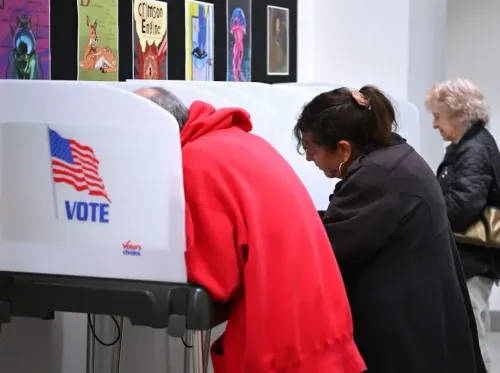
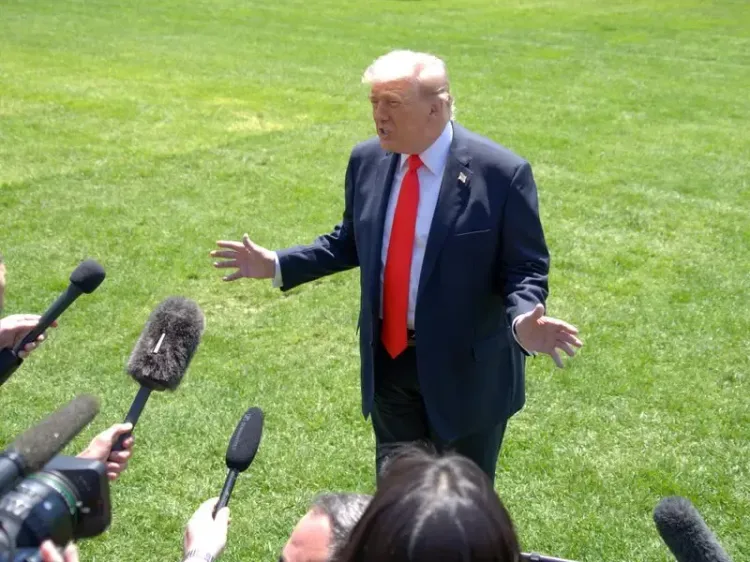
A weaker-than-expected showing by the Republican Party in the US midterm elections could reignite debate over the future direction of American trade policy and reshape ongoing trade negotiations with India, experts said on Wednesday, 4 November 2026. The Democratic Party secured sweeping victories in both chambers of the US Congress, dealing a significant setback to President Donald Trump and shifting the political calculus around tariffs and bilateral trade.
What the Congressional Shift Means for Trade
According to Tanay Dalal, Senior Vice President (Business and Economic Research) at Axis Bank, changes in the composition of Congress are unlikely to fundamentally alter the institutional framework governing current trade negotiations. He noted that any attempt to restore Congress's authority over trade policy would require a veto-proof majority — a scenario he described as remaining unlikely.
Dalal added that the scope for aggressive trade actions could gradually diminish within a divided government, compounded by growing political constraints on the administration. However, he cautioned that uncertainty is expected to persist due to ongoing legal challenges to existing tariff measures.
India's Complex Position
For India, the picture remains layered, according to Dalal. Geopolitical developments — particularly the war in Ukraine and tensions in the Middle East — are likely to continue shaping US trade policy regardless of domestic political shifts. As a result, even if Washington adopts a less aggressive stance on tariffs, India may not automatically benefit.
The country could still face targeted US trade restrictions in areas where strategic and geopolitical interests diverge. Indian officials reacted cautiously to the results, saying the outcome could ease some pressure from trade tensions but also introduces fresh uncertainty into an already delicate bilateral relationship. India relies on the US as its largest export market and sources a substantial portion of its crude oil requirements from the Middle East — both pressure points directly linked to the Trump administration's tariff policies and its confrontation with Iran.
Commodity Markets React Sharply
Commodity markets witnessed significant volatility in the wake of the Democratic victories. Crude oil prices declined, with benchmark Brent crude falling 1.19 per cent to $102.39 per barrel and WTI crude slipping 0.78 per cent to $95.31 per barrel at the time of reporting.
Precious metals moved in the opposite direction. On COMEX, gold rose 2.72 per cent to $4,047 per ounce, while silver advanced 4.22 per cent to $51.85 per ounce. The divergence reflects a classic risk-rotation: softer oil signals reduced geopolitical risk premium, while gold and silver gains point to lingering uncertainty over the US policy outlook.
What Happens Next
Analysts will closely watch how the Trump administration responds to its reduced Congressional mandate and whether legal challenges to existing tariff structures gain traction. For India, the near-term priority will be assessing whether a more constrained White House translates into meaningful relief on trade or remains hostage to wider geopolitical considerations. The bilateral relationship enters a new, more uncertain phase — with both opportunities and risks on the horizon.
Point of View
Not legislative, so a changed Congress curbs escalation at the margins rather than reversing it. For India, the more consequential variable remains geopolitics: as long as Iran tensions and the Ukraine war shape US strategic calculations, New Delhi's trade exposure cannot be neatly quarantined from security considerations. The sharp gold rally alongside falling oil is a telling signal — markets are pricing reduced conflict risk while simultaneously hedging against prolonged policy uncertainty. India's trade negotiators would be unwise to read the midterm results as relief; they are, at best, a pause.
NationPress
4 Nov 2026
Frequently Asked Questions
How could the US midterm results affect India-US trade relations?
A Democratic-controlled Congress could gradually curb the scope for aggressive US tariff actions, potentially easing some trade pressure on India. However, experts note that geopolitical factors — including the war in Ukraine and Middle East tensions — mean India could still face targeted trade restrictions where strategic interests diverge.
Will the Democratic Congress majority reverse Trump's tariffs on India?
According to Axis Bank's Tanay Dalal, restoring Congressional authority over trade policy would require a veto-proof majority, which remains unlikely. Existing tariff measures also face ongoing legal challenges, meaning the institutional framework is unlikely to change significantly in the short term.
How did commodity markets react to the US midterm results?
Crude oil fell, with Brent dropping 1.19% to $102.39 per barrel and WTI slipping 0.78% to $95.31 per barrel. Precious metals rallied sharply, with gold up 2.72% to $4,047 per ounce and silver advancing 4.22% to $51.85 per ounce on COMEX.
Why is India's trade position described as complex despite a potential US policy shift?
India relies on the US as its largest export market and sources a large portion of its crude oil from the Middle East — both areas sensitive to Trump administration policy on tariffs and Iran. Even a less aggressive US trade stance may not translate into relief if geopolitical and strategic differences persist.
What was the Indian government's reaction to the US midterm election results?
Indian officials reacted cautiously, acknowledging the outcome could ease some pressure from trade tensions while also flagging that it introduces fresh uncertainty into an already complex bilateral relationship. No specific policy adjustments were announced immediately.