March Update: Veg Thali Prices Steady, Non-Veg Thali Cheaper

Synopsis
In March, home-cooked vegetarian thali prices remained stable, while non-vegetarian thali costs decreased by 1% due to falling chicken prices. This report from Crisil Intelligence highlights the factors influencing these trends, including fluctuations in vegetable prices and global supply issues.
Key Takeaways
Veg thali prices remained unchanged in March 2026.
Non-veg thali costs decreased by 1% due to falling chicken prices.
Tomato prices saw a significant rise of 33% year-on-year .
Onion prices dropped 25% year-on-year due to excess supply.
Vegetable oil prices are expected to remain high due to global supply issues .
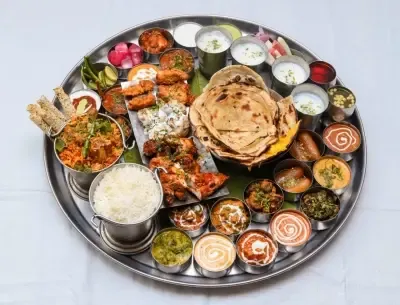
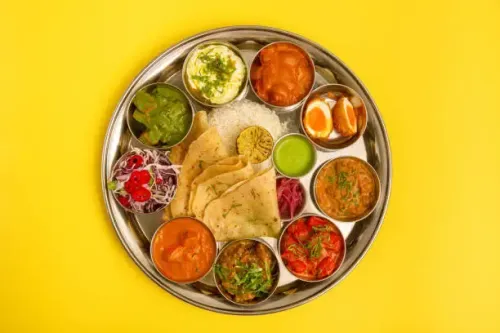
New Delhi, April 6 (NationPress) The price of a homemade vegetarian (veg) thali remained unchanged in March compared to the same month last year, while the cost of a non-vegetarian (non-veg) thali saw a decline of 1 percent due to a drop in chicken prices, as reported by Crisil Intelligence on Monday.
The expense of preparing a vegetarian thali at home stabilized in March as decreased prices for onions, potatoes, and pulses balanced out the rise in costs for tomatoes, edible oils, and fuel. The reduction in the cost of a non-veg thali was attributed to a year-on-year decline of approximately 2 percent in broiler prices, which made up nearly 50 percent of the total cost, according to the report.
Tomato prices surged as a result of postponed transplanting in major growing regions, while onion prices decreased due to an oversupply and a slump in demand exerted downward pressure on potato prices, the report stated.
In March 2026, tomato prices increased by 33 percent year-on-year, reaching Rs 28 per kg (up from Rs 21 per kg in March 2025), largely due to delayed transplanting in key areas like Karnataka and Andhra Pradesh, which negatively affected crop growth, yield, and timely market arrivals.
Onion prices dropped by 25 percent year-on-year, driven by an abundance of supply from overlapping late kharif and rabi harvests, coupled with reduced exports, leading to distress sales due to the short shelf life of late kharif onions. Pulse prices decreased by 6 percent year-on-year due to higher opening stocks this fiscal year, easing price pressures.
Vegetable oil prices rose by 6 percent year-on-year due to ongoing global supply disruptions. The cost of liquefied petroleum gas cylinders increased by 14 percent year-on-year amidst global supply issues, preventing a more significant reduction in overall thali costs, the report added.
Pushan Sharma, Director at Crisil Intelligence, commented: "The conflict in West Asia has driven up crude oil prices, which in turn has raised edible oil prices amidst growing demand from the biofuel sector. Global prices for palm and sunflower oil saw an increase during the month, impacting domestic markets as well. Simultaneously, importers have become cautious due to high prices, reducing their procurement and affecting ending stocks."
He further noted, "In the short term, geopolitical uncertainties are likely to maintain high vegetable oil prices."
Onion prices are anticipated to stay under pressure in the near future due to high arrivals and weak export demand. However, with an expected decline of about 10 percent in production and reported damage to the summer crop—crucial for lean-season supply—onion prices are projected to gradually recover in the forthcoming months. A boost in exports or assistance from the National Agricultural Cooperative Marketing Development Federation (NAFED) could also help stabilize prices, the report indicated.
The average cost of preparing a thali at home is calculated based on input prices across northern, southern, eastern, and western India. The monthly variation reflects the influence on the average person's spending. The data also highlights the ingredients such as cereals, pulses, broilers, vegetables, spices, edible oils, and cooking gas that significantly contribute to the fluctuations in thali costs.
Point of View
The stability in vegetarian thali prices amidst rising costs in other areas reflects a complex interplay of supply and demand dynamics. The slight decrease in non-veg thali prices is a welcome relief for consumers, but ongoing global tensions could affect future trends. It's crucial to monitor these developments closely.
NationPress
10 Oct 2026
Frequently Asked Questions
Why did the price of non-veg thali decrease?
The price of non-veg thali fell by 1% due to a decline in chicken prices, which accounted for a significant portion of the overall cost.
What factors kept vegetarian thali prices stable?
The stability in vegetarian thali prices was attributed to lower costs of onions, potatoes, and pulses, which offset increases in other ingredients.
Are vegetable oil prices expected to remain high?
Yes, geopolitical uncertainties and global supply disruptions are likely to keep vegetable oil prices elevated in the near term.
How do thali prices vary across India?
Thali prices are calculated based on input prices from different regions in India, reflecting local agricultural conditions and market dynamics.
What impact does onion supply have on its prices?
Onion prices are influenced by supply levels, with excess supply leading to lower prices, while reduced production can cause prices to rise.