West Asia Conflict Disrupts Global Energy Supply: SEBI Chief
Synopsis
As tensions rise in West Asia, SEBI Chairman Tuhin Kanta Pandey warns of significant disruptions to global energy flows. The ongoing crisis could have lasting impacts on the world economy, affecting oil and gas supplies and triggering price volatility.
Key Takeaways
Global energy flows are being disrupted due to tensions in West Asia.
SEBI emphasizes the need for enhanced governance standards.
The ongoing crisis could significantly impact the global economy .
Regulatory frameworks are evolving to strengthen institutional resilience.
Future policy responses may focus on liquidity support and credit facilitation.
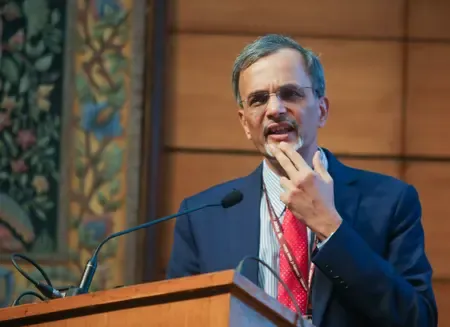
New Delhi, April 6 (NationPress) The Chairman of the Securities and Exchange Board of India (SEBI), Tuhin Kanta Pandey, remarked on Monday that the escalating unrest in West Asia is causing disruptions in global energy flows, leading to increased pressure on oil and gas supplies and resulting in significant price fluctuations.
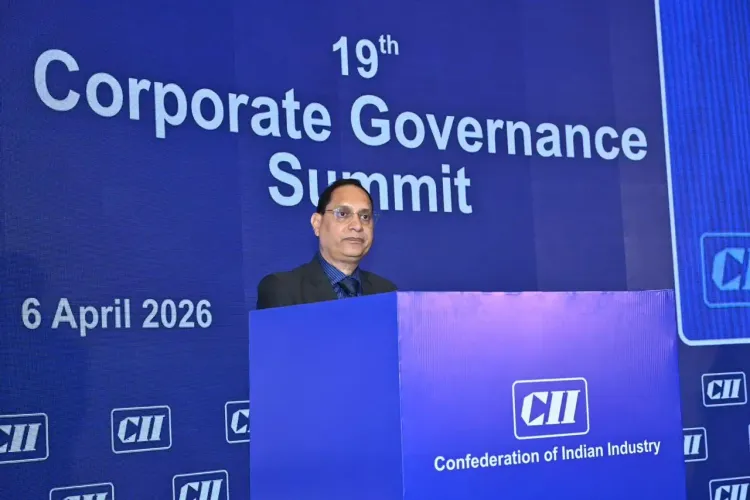
During his speech at the 19th CII Corporate Governance Summit, he warned that the ongoing strife could have extensive repercussions for the global economy.
Pandey pointed out that this current crisis adds to a series of shocks that businesses and regulators have faced in recent years, including the Covid-19 pandemic and rapid technological changes like artificial intelligence (AI), which have challenged institutional resilience.
He emphasized that the regulatory framework has been evolving thoughtfully, enhancing disclosure norms through periodic and event-driven requirements, establishing clear materiality thresholds and timelines, and improving board independence and oversight.
Pandey noted that accountability mechanisms such as secretarial audits and a more prominent role for compliance officers have strengthened governance standards.
On the topic of corporate governance, he asserted that the focus should now transition from mere board composition to the quality of boardroom engagement and decision-making.
The SEBI Chairman highlighted the vital role of independent directors and called for ongoing capacity building through structured learning and robust knowledge frameworks.
He also advocated for a movement from periodic reviews to continuous oversight, stating that enhancing institutional capability is essential for better governance outcomes.
In the meantime, CII Director General Chandrajit Banerjee mentioned that both the government and the Reserve Bank of India (RBI) have reacted promptly to the changing circumstances, aiding in stabilizing market sentiment.
However, he acknowledged that supply-side challenges in energy, logistics, and trade remain, with sectors such as MSMEs, exporters, and energy-intensive industries still experiencing operational and financial difficulties.
Banerjee suggested that future policy responses may need to concentrate on targeted liquidity support, credit facilitation, and measures to maintain foreign exchange stability.
Point of View
The ongoing unrest in West Asia represents a serious concern for not only regional stability but also for the global economy. The potential disruption in energy supply chains can lead to widespread consequences, necessitating urgent attention from policymakers and regulators alike.
NationPress
20 Sept 2026
Frequently Asked Questions
How is the West Asia crisis affecting global energy supplies?
The escalating tensions in West Asia are causing disruptions in energy flows, putting pressure on oil and gas supplies and leading to significant price volatility.
What are the implications of the crisis on the global economy?
The ongoing conflict could have extensive repercussions for the global economy, affecting various sectors and leading to financial stress among businesses.
What measures are being taken to address the situation?
The government and the Reserve Bank of India are responding promptly to stabilize market sentiment, while future policy responses may focus on liquidity support and credit facilitation.
What is the role of SEBI in this context?
SEBI is enhancing regulatory frameworks to strengthen governance and disclosure norms, aimed at improving institutional resilience amid the ongoing crisis.
How can businesses prepare for potential disruptions?
Businesses should focus on enhancing their institutional capabilities and governance standards to better navigate the challenges posed by the current crisis.