Whirlpool India Q1 FY27 profit drops 29% to ₹103 crore despite 12% revenue rise
Synopsis
Whirlpool India's June-quarter earnings exposed a widening gap between topline growth and bottom-line delivery — revenue rose 12% but profit fell 29%, with EBITDA margin collapsing from 8.7% to 5%. The culprit is a ₹240-crore surge in raw material costs, a pressure point that the broader consumer durables sector is grappling with this earnings season.
Key Takeaways
Whirlpool of India reported a 29.4% drop in net profit to ₹103 crore in Q1 FY27 , down from ₹146 crore a year ago.
Revenue from operations rose 12% year-on-year to ₹2,727 crore .
EBITDA fell 34% to ₹140 crore ; EBITDA margin contracted to 5% from 8.7% .
Raw material and component costs jumped to ₹1,427 crore from ₹1,187.3 crore , the single largest cost driver.
The stock closed 1.4% lower at ₹809 after falling nearly 5% in early trade.
Whirlpool of India on Wednesday, 5 August reported a 29.4% fall in consolidated net profit for the June quarter (Q1 FY27), as surging input costs and higher operating expenditure eroded margins even as the home appliances maker delivered double-digit revenue growth.
Headline Numbers
Consolidated net profit came in at ₹103 crore for Q1 FY27, down from ₹146 crore in the same quarter a year ago — a drop of nearly ₹43 crore. Revenue from operations, however, climbed 12% year-on-year to ₹2,727 crore from ₹2,432 crore, according to the company's stock exchange filing.
Margin Compression in Focus
The profit squeeze was most visible at the operating level. EBITDA declined 34% to ₹140 crore from ₹211 crore a year earlier, while the EBITDA margin contracted sharply to 5% from 8.7% in Q1 FY26. Profit before tax also fell, to ₹138.8 crore from ₹196.4 crore in the corresponding period.
What Drove Costs Higher
Total expenses rose to ₹2,656.9 crore from ₹2,289.9 crore a year ago, an increase of roughly ₹367 crore. The primary driver was raw material and component consumption, which jumped to ₹1,427 crore from ₹1,187.3 crore. Employee benefit expenses increased to ₹242.9 crore from ₹221.1 crore, while other operating expenses rose to ₹439.3 crore from ₹380.7 crore. Depreciation and amortisation edged up to ₹54.5 crore from ₹53.6 crore, and finance costs stood at ₹14.8 crore.
Market Reaction
Shares of Whirlpool India fell nearly 5% in early trade following the earnings announcement before recovering a portion of those losses. The stock closed 1.4% lower at ₹809 on the day. Total comprehensive income for the quarter was ₹103.8 crore, against ₹146.6 crore a year earlier.
Company Context
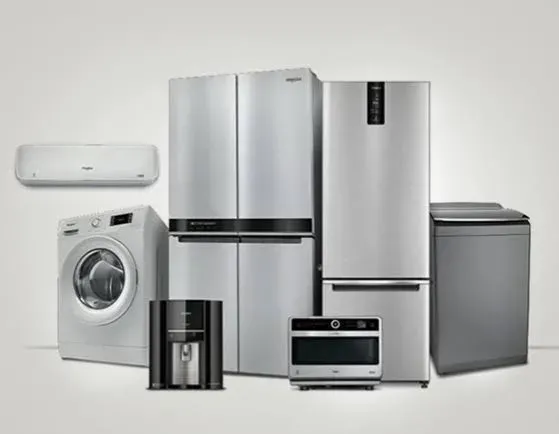
Whirlpool of India operates entirely in the Home Appliances segment and consolidates the performance of its wholly owned subsidiary, Whirlpool of India Kitchen Appliances Private Limited. The results highlight a pattern seen across consumer durables this quarter — volume growth is holding up, but commodity-linked cost pressures are disproportionately hitting bottom lines. With raw material prices remaining elevated, margin recovery will depend on the company's ability to pass on costs or secure supply-chain efficiencies in the quarters ahead.
Point of View
But Whirlpool's margin gap versus peers will raise questions about whether the company can sustain volume-led growth without sacrificing profitability. The market's initial 5% sell-off was a rational read; the partial recovery suggests investors are hoping this is cyclical, not structural — a bet that hinges entirely on raw material trajectories in Q2 FY27.
NationPress
20 Sept 2026
Frequently Asked Questions
What was Whirlpool India's net profit in Q1 FY27?
Whirlpool of India posted a consolidated net profit of ₹103 crore in Q1 FY27 (April–June 2025), a decline of 29.4% from ₹146 crore in the same quarter of the previous fiscal year.
Why did Whirlpool India's profit fall despite higher revenue?
Revenue rose 12% to ₹2,727 crore, but a sharp increase in raw material costs — up to ₹1,427 crore from ₹1,187.3 crore — along with higher employee and other operating expenses pushed total costs to ₹2,656.9 crore, squeezing both EBITDA and net profit.
How did Whirlpool India's EBITDA margin change?
EBITDA margin contracted to 5% in Q1 FY27 from 8.7% in Q1 FY26, as EBITDA itself fell 34% to ₹140 crore from ₹211 crore a year earlier.
How did Whirlpool India shares react to the Q1 results?
Shares of Whirlpool India fell nearly 5% in early trade on 5 August after the results were announced. The stock recovered some losses during the session and closed 1.4% lower at ₹809.
What segment does Whirlpool of India operate in?
Whirlpool of India operates in a single reportable segment — Home Appliances — and consolidates the results of its wholly owned subsidiary, Whirlpool of India Kitchen Appliances Private Limited.