Bhupender Yadav: India turns circular economy pledge into policy action
Synopsis
India has moved beyond circular economy declarations — 499.60 lakh metric tonnes of waste processed, nine waste streams regulated and over 86,000 producers under the EPR net. At CII's Circular Economy Conference, Environment Minister Bhupender Yadav signalled that market-based EPR certificate trading and digital compliance reforms are next, while acknowledging industry friction that still needs fixing.
Key Takeaways
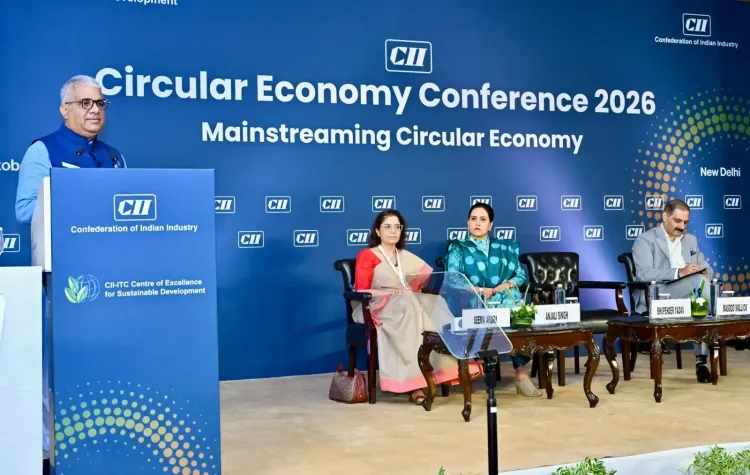
Bhupender Yadav addressed the CII Circular Economy Conference in New Delhi on 22 October 2026 .
Nearly 499.60 lakh metric tonnes of waste have been processed across regulated waste streams so far.
More than 86,043 producers and 4,880 recyclers are registered under the Extended Producer Responsibility (EPR) framework.
The government has introduced sector-specific rules covering nine waste streams , including plastic, e-waste, battery waste and end-of-life vehicles.
The LiFE (Lifestyle for Environment) initiative is being promoted as a behavioural complement to regulatory reforms.
The ministry invited industry to share practical challenges on digital compliance systems and EPR market operations.
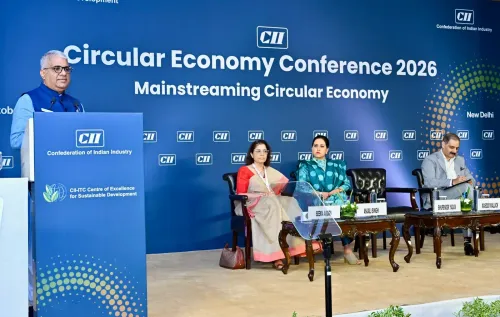
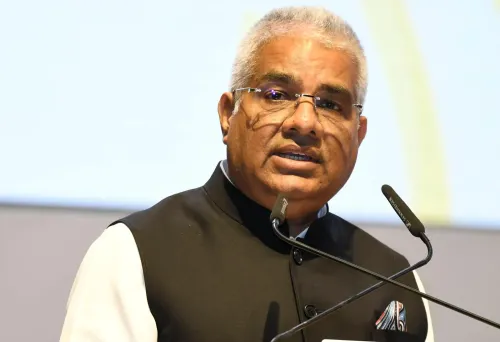
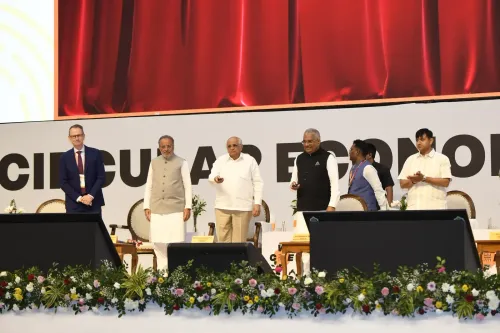
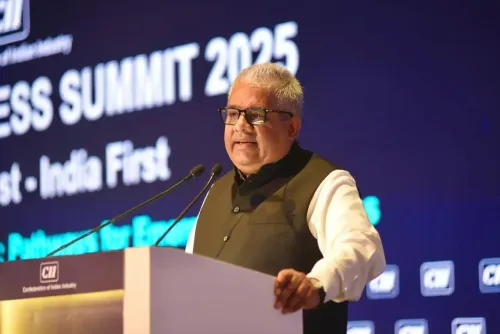
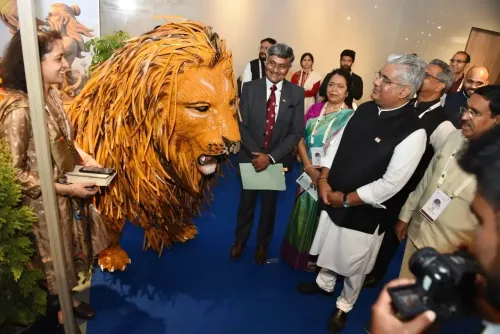
Union Environment, Forest and Climate Change Minister Bhupender Yadav on Thursday, 22 October 2026 said the government is converting its circular economy commitments into concrete action through clear policies, regulatory reforms, digital compliance systems and a whole-of-government approach. He was addressing the Circular Economy Conference organised by the Confederation of Indian Industry (CII) in New Delhi.
Legal Framework and Nine Waste Streams
Yadav said that under the leadership of Prime Minister Narendra Modi, the government has progressively strengthened the legal architecture for waste management by introducing sector-specific rules covering nine waste streams. These include plastic waste, battery waste, e-waste, waste tyres, used oil, end-of-life vehicles, construction and demolition waste, non-ferrous scrap metal, and solid waste.
According to the minister, these regulations are designed to promote waste prevention, recycling, reuse, remanufacturing and resource recovery across the entire product lifecycle — forming the regulatory spine of India's transition toward a circular economy.
Key Numbers: EPR Framework and Waste Processed
Yadav highlighted that nearly 499.60 lakh metric tonnes of waste have been processed across regulated waste streams so far. More than 86,043 producers and 4,880 recyclers are now registered under the Extended Producer Responsibility (EPR) framework — a mechanism that requires producers, importers and brand owners to ensure environmentally sound management of products at the end of their lifecycle.
Notably, the transfer of EPR certificates has created financial incentives for recyclers, encouraging capacity expansion, technology adoption and higher recycling rates, while also generating employment and livelihood opportunities across the recycling value chain. This market-based instrument is increasingly being seen as a model for bridging the gap between regulatory mandate and commercial viability in the waste sector.
Beyond Regulations: The LiFE Initiative
Yadav stressed that regulations alone cannot engineer a circular economy. He underscored the importance of the Lifestyle for Environment (LiFE) initiative, which advocates mindful and sustainable consumption patterns among citizens. The LiFE framework, championed globally by Prime Minister Modi at the COP26 and COP27 summits, positions behavioural change as an essential complement to industrial and regulatory reform.
Government's Response to Industry Concerns
Addressing concerns raised by industry participants regarding digital compliance systems, EPR market operations and transaction timelines, the minister invited stakeholders to continue sharing practical challenges and suggestions. Yadav said the government is working toward a market-based approach and remains committed to resolving implementation issues through active engagement with industry. The outreach signals an acknowledgement that compliance infrastructure must keep pace with expanding regulatory scope.
What's Next
With over 86,000 producers now registered under EPR and waste processing numbers crossing the 499 lakh metric tonne mark, the immediate challenge is deepening recycler participation and addressing friction in digital compliance workflows. Industry bodies are expected to formally submit their recommendations to the ministry in the coming weeks, as the government looks to refine both the EPR market mechanism and the broader circular economy regulatory architecture.
Point of View
000-plus producers under EPR — are headline-worthy, but the more telling signal is that the minister felt compelled to address industry grievances about digital compliance and transaction timelines in a public forum. That candour suggests implementation gaps remain even as the regulatory framework expands. India's circular economy architecture is wide but enforcement depth varies sharply across the nine waste streams; battery and e-waste rules are still far ahead of construction debris and end-of-life vehicle compliance. The real test of this policy cycle is not registration numbers but verified diversion rates from landfills — data the government has yet to publish in a granular, independently auditable form.
NationPress
22 Oct 2026
Frequently Asked Questions
What is India's Extended Producer Responsibility (EPR) framework?
India's EPR framework requires producers, importers and brand owners to ensure environmentally sound management of their products at the end of their lifecycle. As of October 2026, more than 86,043 producers and 4,880 recyclers are registered under the framework, and EPR certificates can be traded to create financial incentives for recyclers.
How much waste has India processed under its regulated waste streams?
Nearly 499.60 lakh metric tonnes of waste have been processed across regulated waste streams so far, according to Environment Minister Bhupender Yadav. The figure spans nine waste categories including plastic waste, e-waste, battery waste and construction and demolition waste.
Which nine waste streams are covered under India's circular economy rules?
The nine regulated waste streams are plastic waste, battery waste, e-waste, waste tyres, used oil, end-of-life vehicles, construction and demolition waste, non-ferrous scrap metal and solid waste. Sector-specific rules have been introduced for each stream to promote recycling, reuse and resource recovery.
What is the LiFE initiative and how does it relate to the circular economy?
The Lifestyle for Environment (LiFE) initiative advocates mindful and sustainable consumption among citizens as a behavioural complement to India's regulatory circular economy reforms. Yadav stressed that rules alone cannot create a circular economy and that citizen behaviour change is equally essential.
What concerns did industry raise at the CII Circular Economy Conference?
Industry participants raised concerns about digital compliance systems, EPR market operations and transaction timelines. Minister Yadav invited stakeholders to continue sharing practical challenges, saying the government is committed to resolving these issues through active engagement and a market-based approach.