Amjad Ali Khan on Sarod Ghar: 'I don't play sarod, I sing through it'
Synopsis
Sarod legend Amjad Ali Khan calls his ancestral Gwalior home — now the museum Sarod Ghar — a living archive where great musicians have donated their best instruments. His revelation that he 'sings' rather than plays the sarod, and his count of 500 sarod players worldwide, offer a rare, intimate window into a classical lineage that spans centuries and continents.
Key Takeaways
Sarod Ghar , a museum inside Amjad Ali Khan's ancestral home in Gwalior , preserves instruments of his forefathers and other great Indian classical musicians.
Several prominent musicians have donated their instruments to the collection at Sarod Ghar .
Khan distinguishes his style by saying he 'sings through' the sarod rather than merely playing it — a reflection of his gharana's melodic philosophy.
The maestro estimates there are now approximately 500 sarod players worldwide, describing the instrument's future as 'very bright'.
Subhalakshmi Borooah Khan has made her vocal debut with Chants for Unity , a nine-track album conceived and composed by the Bangash family .
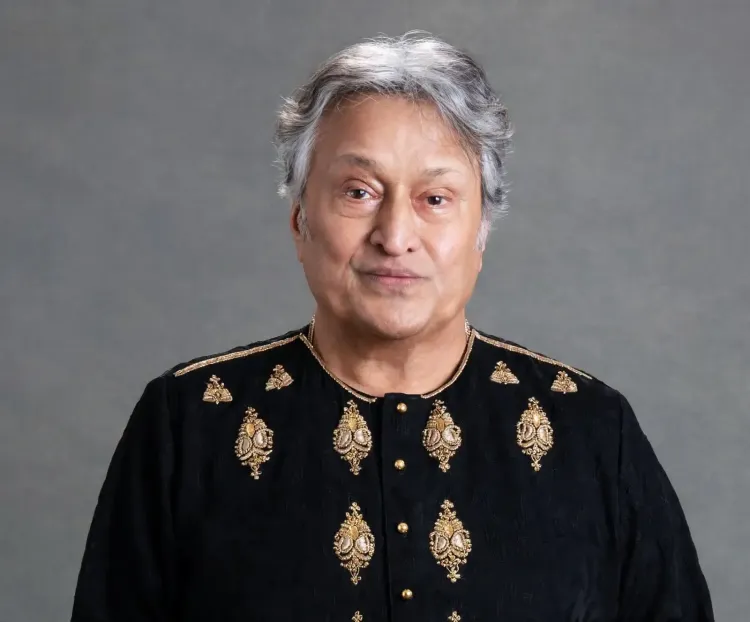
Legendary sarod maestro Amjad Ali Khan has offered a rare glimpse into Sarod Ghar, the museum established inside his ancestral home in Gwalior, which preserves instruments belonging to his forefathers and several towering figures of Indian classical music. Speaking on the sidelines of a recent event, the maestro also reflected on his singular musical philosophy — one that blurs the line between instrument and voice.
Sarod Ghar: A Living Archive of Classical Heritage
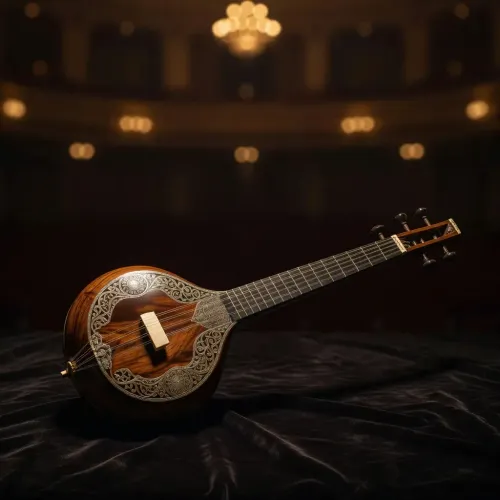
Amjad Ali Khan described the museum in deeply personal terms. 'I have my younger days sarod in my museum in Gwalior where I was born. Our ancestral home has been converted into a museum, it's called Sarod Ghar. All the instruments of my forefathers and other great masters of India, it's all there,' he said.
The collection, he noted, has grown through the generosity of fellow musicians. 'A lot of great musicians have donated their instruments. Every sarod player, they gave their best,' he added. Sarod Ghar now stands as one of the few dedicated museums in India preserving the material history of a single classical instrument and its lineage.
The Philosophy: Singing Through the Sarod
Khan spoke at length about what sets each sarod player apart — a uniqueness he traces to sound, intent, and inner calling. 'Every sarod player has a different desire, different kind of sound. My father's sarod was different sound. And Amaan sounds different, Ayan sounds different,' he said, referring to his sons Amaan Ali Bangash and Ayan Ali Bangash.
For himself, the distinction is categorical. 'My sound, finally, by the grace of God — I don't play sarod. I sing through my instrument,' he said. This notion of 'singing' through a stringed instrument reflects a gharana tradition that places melodic expressiveness above technical display — a value the Khan family has championed across generations.
The Future of Sarod: 500 Players Worldwide
Despite concerns about the declining reach of classical forms, Amjad Ali Khan expressed confidence in the instrument's global future. 'Today there are about 500 sarod players all over the world. So the future of sarod is very bright in every field, whether sitar, tabla, gana, dance. There are amazing youngsters,' he said.
The maestro's optimism comes at a time when Indian classical music is experiencing renewed interest internationally, partly driven by streaming platforms and collaborative world-music projects.
Family Album: Subhalakshmi Borooah Khan's Vocal Debut
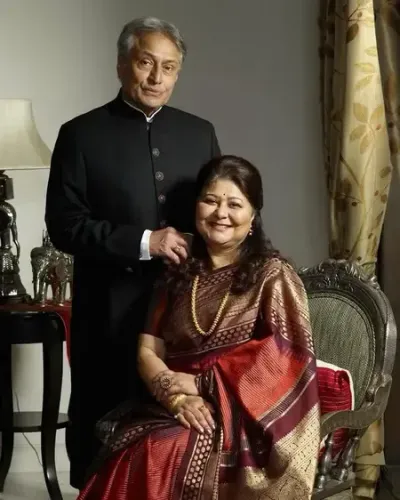
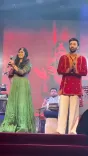
Adding to the family's musical legacy, Amjad Ali Khan's wife Subhalakshmi Borooah Khan has made her vocal debut with the album Chants for Unity. The release features nine tracks, with her vocals anchoring five sacred compositions — Navagraha Shlokam, Krishna Stuti, Shantakaram, Ya Devi Sarvabhooteshu, and Lakshmi Stuti.
The album is a full family endeavour: the Bangash brothers — Amaan Ali Bangash and Ayan Ali Bangash — along with their father Amjad Ali Khan have conceived and composed the project, positioning it as a generational statement of devotional music. The effort signals that the Bangash family's creative output extends well beyond the sarod into India's broader spiritual and classical vocal tradition.
Point of View
Built on voluntary donations from masters, is a meaningful preservation model. His count of 500 global sarod players is striking: it suggests that the instrument's internationalism is no longer a curiosity but a structural reality. The question mainstream coverage rarely asks is whether institutional support — from bodies like the Sangeet Natak Akademi — has matched the pace of private efforts like Sarod Ghar.
NationPress
18 Oct 2026
Frequently Asked Questions
What is Sarod Ghar in Gwalior?
Sarod Ghar is a museum established inside the ancestral home of sarod maestro Amjad Ali Khan in Gwalior, preserving instruments belonging to his forefathers and donated by other great Indian classical musicians. It is one of the few museums in India dedicated to the history of a single classical instrument and its lineage.
What did Amjad Ali Khan mean by 'I sing through my instrument'?
Amjad Ali Khan uses the phrase to describe his approach to the sarod, in which melodic expressiveness — akin to vocal singing — takes precedence over technical play. He drew a contrast with the distinct sounds of his father and his sons Amaan Ali Bangash and Ayan Ali Bangash, emphasising that every sarod player has a different mission and sound.
How many sarod players are there in the world today?
According to Amjad Ali Khan, there are approximately 500 sarod players across the world today. He described this as a sign that the future of the sarod is 'very bright' across classical disciplines including sitar, tabla, and dance.
What is the album 'Chants for Unity'?
Chants for Unity is the vocal debut album of Subhalakshmi Borooah Khan, wife of Amjad Ali Khan. It features nine tracks, with her vocals on five sacred compositions including Navagraha Shlokam, Krishna Stuti, and Lakshmi Stuti. The album was conceived and composed by the entire Bangash family.
Who are the Bangash brothers?
The Bangash brothers — Amaan Ali Bangash and Ayan Ali Bangash — are the sons of sarod maestro Amjad Ali Khan. Both are accomplished sarod players in their own right, and they collaborated with their father and mother on the Chants for Unity album.