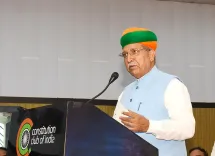
Tharoor Hails Amjad Ali Khan Family's Grammy Honours
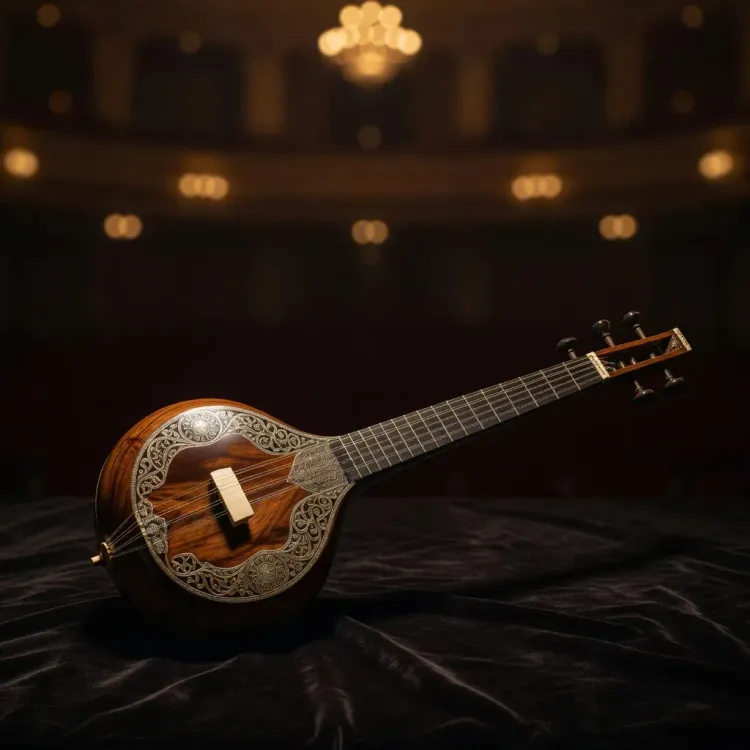
Synopsis
Congress MP Dr. Shashi Tharoor has celebrated Grammy recognition for sarod legend Ustad Amjad Ali Khan and his sons Amaan and Ayaan, calling the honour immeasurable. The tribute underscores India's growing soft-power footprint at global music awards, building on a tradition established by artists like Ravi Shankar and Zakir Hussain.
Key Takeaways
Shashi Tharoor publicly celebrated the Grammy recognition of Ustad Amjad Ali Khan and his sons Amaan and Ayaan Ali Khan on June 10, 2026 .
Ustad Amjad Ali Khan is a Padma Vibhushan awardee and one of India's foremost sarod maestros with decades of international performance history.
The honour continues a pattern of Grammy recognition for Indian classical artists, following Ustad Zakir Hussain 's award in 2024 .
Tharoor described the Khan family as personal friends, framing his tribute as both a cultural and personal statement.
The recognition strengthens India's soft-power credentials and is likely to boost institutional interest in classical music promotion.
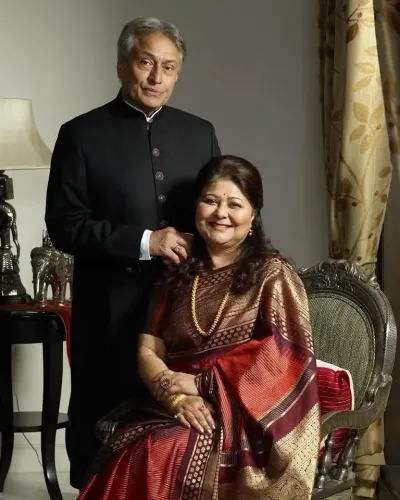
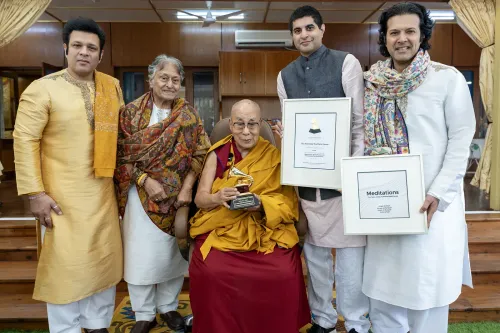
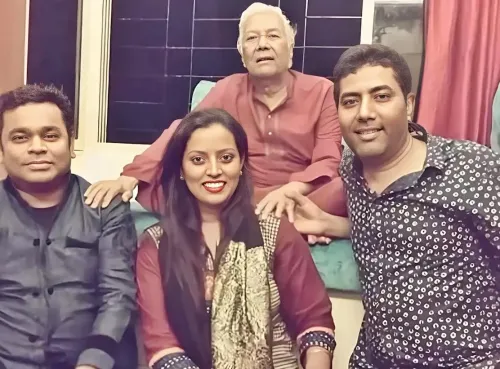
Congress MP Dr. Shashi Tharoor on Wednesday, June 10, 2026, expressed deep pride over the Grammy recognition awarded to sarod maestro Ustad Amjad Ali Khan and his sons Amaan Ali Khan and Ayaan Ali Khan, calling the honour a moment that 'would take a symphony' to describe.
Context
Tharoor, writing on social media, said: 'Words cannot express how immensely proud I am to see my dear friend, the legendary Ustad Amjad Ali Khan, and his incredibly talented sons, Amaan and Ayaan, honoured at the Grammys.' The Thiruvananthapuram MP, known for his long engagement with Indian arts and culture, described the Khan family as personal friends, lending the tribute a warmth beyond routine political congratulation.
The Grammy Awards, presented annually by the Recording Academy, are among the most recognised honours in global music. Recognition at the Grammys for Indian classical artists carries particular weight given the platform's historically Western-pop orientation.
Policy Backdrop
Ustad Amjad Ali Khan is one of independent India's most decorated classical musicians. A Padma Vibhushan recipient, he is credited with popularising the sarod on international concert stages over several decades, performing across Europe, North America, and Asia. His sons Amaan and Ayaan have extended the family's reach into fusion and collaborative formats, building audiences among younger listeners globally.
The Grammy recognition for the Khan family fits a broader arc of growing global visibility for Indian classical music. In 2024, the late tabla virtuoso Ustad Zakir Hussain and collaborating artists received Grammy honours, continuing a tradition that stretches back to sitarist Ravi Shankar's pioneering international career. Each such milestone reinforces India's cultural diplomacy and soft-power standing.
Stakeholders and Impact
For practitioners and students of Hindustani classical music, Grammy recognition of the Khan family signals that the form commands serious international respect, not merely as 'world music' novelty but as a genre of global artistic stature. Institutions such as music academies and cultural ministries are likely to cite the honour in arguments for greater public investment in classical arts education.
The Indian diaspora, particularly in North America and the United Kingdom, often tracks Grammy outcomes closely as a barometer of mainstream Western acknowledgement of South Asian cultural contributions. Endorsements from prominent public figures like Tharoor amplify that domestic and diasporic pride, giving the story additional political and cultural resonance.
What's Next
The Khan family's Grammy recognition is expected to generate renewed interest in their touring schedule and any forthcoming recordings. Future Grammy cycles and international concert appearances by Amaan and Ayaan Ali Khan will be watched to see whether the family consolidates its global profile. At home, parliamentary or official cultural recognition of the honour would not be unusual given precedent with earlier Grammy-winning Indian artists.
For Tharoor, whose public persona has long been intertwined with advocacy for Indian soft power and multilateral cultural engagement, the post is consistent with a pattern of using his platform to spotlight India's artistic achievements on the world stage.
Point of View
And Grammy recognition for the Khan family supplies tangible evidence for that argument. The endorsement also fits Tharoor's long-standing brand as a cosmopolitan voice bridging Indian tradition and global institutions. Whether the government formally acknowledges the Grammy honour will indicate how seriously the current cultural-diplomacy framework tracks such milestones.
NationPress
19 Sept 2026
Frequently Asked Questions
Why did Shashi Tharoor post about Amjad Ali Khan's Grammy?
Tharoor posted to express personal pride in his friend Ustad Amjad Ali Khan and the latter's sons Amaan and Ayaan receiving Grammy recognition, calling the honour too large for words.
Who is Ustad Amjad Ali Khan?
Ustad Amjad Ali Khan is one of India's most celebrated sarod maestros, a Padma Vibhushan recipient who has performed internationally for decades and is credited with bringing the sarod to global concert audiences.
Who are Amaan and Ayaan Ali Khan?
Amaan Ali Khan and Ayaan Ali Khan are the sons of Ustad Amjad Ali Khan and accomplished sarod players in their own right, known for both classical performances and international fusion collaborations.
Have Indian classical musicians won Grammys before?
Yes. In 2024, tabla maestro Ustad Zakir Hussain and collaborating artists received Grammy recognition, continuing a tradition that traces back to sitar legend Ravi Shankar's pioneering international career.
What is the significance of a Grammy for Indian classical music?
A Grammy win signals mainstream Western institutional recognition for a genre historically categorised as 'world music', strengthening India's soft-power standing and encouraging greater global interest in Hindustani classical traditions.