Khan Saab on old melodies: 'Music from earlier generations had a timeless soul'

Synopsis
Khan Saab argues that great music never dies — it just changes its plating. In a candid conversation about Dhurandhar, the singer traces why Mohammed Rafi and Lata Ji still move Gen Z listeners, singles out Sufi music as the one genre that will outlast every trend, and reveals he barely knew Aari Aari before accidentally recording its best-fit scratch version in minutes.
Key Takeaways
Khan Saab spoke about his work on the nostalgia-driven album Dhurandhar , which recreates classic Indian tracks.
He credited the enduring appeal of old music to its 'timeless soul' , citing legends Mohammed Rafi Sahab and Lata Ji .
Khan Saab singled out Sufi music as the one genre he believes will never fade, regardless of changing trends.
He recreated Aari Aari — originally a hit by Bombay Rockers — and said he felt no pressure, approaching it through feel and composition rather than expectation.
He revealed he was not familiar with Aari Aari before the project, and that the scratch recording came together naturally within minutes under guidance from Shashwat Bhai .
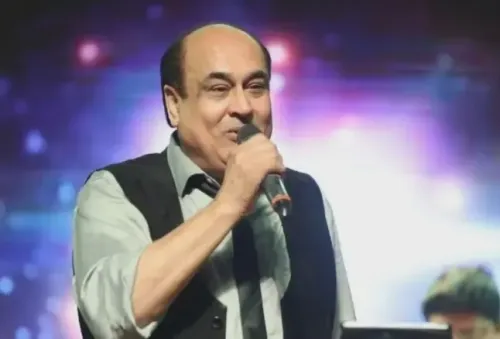
Singer Khan Saab has opened up on why classic Indian melodies continue to resonate with younger listeners who never lived through the era that produced them — and why he believes Sufi music will outlast every passing trend.
The Timeless Appeal of Old Music
Speaking about his work on the album Dhurandhar, which centres on nostalgia and the recreation of classic tracks, Khan Saab said the staying power of older compositions comes down to their soul. 'Music from earlier generations had a timeless soul. Whether it was Mohammed Rafi Sahab or Lata Ji, their era created immortal melodies. Such music can never disappear,' he said.
He acknowledged that musical trends are in constant flux, but argued that the core of great music remains unchanged across generations. 'Trends will keep changing. Today's music will also become old one day, and newer styles will emerge after that. The presentation changes with every generation, but the essence of music remains the same,' he explained.
Why Sufi Music Stands Apart
Khan Saab drew a distinction between transient popular styles and the more enduring tradition of Sufi music. 'In our industry, only the plating changes; the ingredients remain the same. But one thing will never die — Sufi music. Inshallah, Sufi music will always live on,' he said, concluding his thoughts on the subject.
This perspective is notable coming from a singer who has built his reputation at the intersection of Punjabi folk and Sufi traditions — two genres that have repeatedly demonstrated crossover appeal across age groups.
Recreating 'Aari Aari' for Dhurandhar
Khan Saab was also asked about the process of recreating Aari Aari, originally a major hit by Bombay Rockers and a song with strong nostalgic associations for many listeners. He said he did not approach the project with anxiety about matching the original.
'Honestly, I would not call it pressure. When the team approached me, I focused more on understanding the composition and the feel of the song. I have immense respect and love for Bombay Rockers, and I stay in touch with them as well,' he said.
He also candidly admitted that he was not very familiar with the song before work on Dhurandhar began. The process, he recalled, unfolded organically. 'When I went to dub another track, Shashwat Bhai told me that my Punjabi folk touch would suit this composition perfectly. He asked me to create a scratch version. I recorded it very quickly. They guided me line by line, and within a few minutes, the scratch was done. Everything happened very naturally,' Khan Saab shared.
What the Album Signals
The Dhurandhar album's emphasis on classic recreations reflects a broader trend in the Indian music industry, where nostalgia-driven content has found a reliable audience across streaming platforms. For Khan Saab, the project appears to have been less a commercial calculation and more a natural extension of his artistic sensibility — rooted in folk and Sufi traditions that predate the playlist era entirely.
Whether the album's nostalgic framing translates into sustained engagement with younger listeners remains to be seen, but Khan Saab's conviction about music's enduring core suggests he is betting on depth over novelty.
Point of View
Not merely sentimental. The more interesting claim is his carve-out for Sufi music as categorically different from trend cycles — a position that the genre's consistent presence across decades of Indian popular culture does, to a degree, support. What mainstream coverage of such interviews tends to miss is the production detail: the scratch-version anecdote for Aari Aari reveals how much of what sounds like deliberate artistic choice is actually improvised under studio conditions.
NationPress
8 Oct 2026
Frequently Asked Questions
Why does Khan Saab think old melodies still connect with younger audiences?
Khan Saab attributes it to what he calls the 'timeless soul' of older compositions. He argues that legends like Mohammed Rafi Sahab and Lata Ji created melodies so fundamentally strong that no generation gap can erode their appeal.
What is the Dhurandhar album?
Dhurandhar is a music album that strongly focuses on nostalgia and the recreation of classic Indian tracks. Khan Saab is among the singers featured on the project, contributing a reimagined version of Aari Aari, originally a hit by Bombay Rockers.
How did Khan Saab approach recreating Aari Aari?
Khan Saab said he did not feel pressure from the original version. He focused on understanding the song's composition and feel, and the scratch recording came together naturally within minutes after collaborator Shashwat Bhai suggested his Punjabi folk touch would suit the track.
Did Khan Saab know Aari Aari before working on Dhurandhar?
No. Khan Saab candidly admitted he was not very familiar with the song before the Dhurandhar project began. He encountered it when he went to dub a different track and was then asked to try a scratch version of Aari Aari.
What does Khan Saab say about the future of Sufi music?
Khan Saab is unequivocal: he believes Sufi music will never die. He described it as the one constant in an industry where presentation keeps changing, saying, 'Inshallah, Sufi music will always live on.'