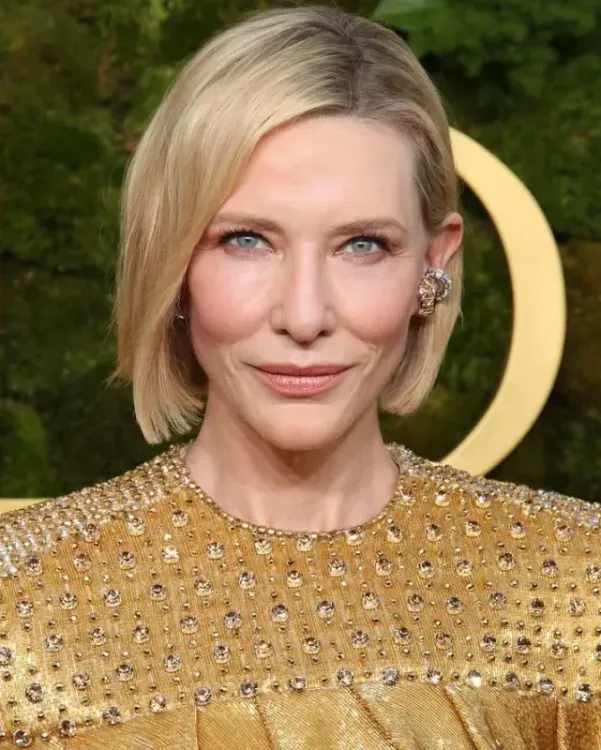
Cate Blanchett at Cannes 2026: #MeToo 'got killed very quickly'
Synopsis
Nearly a decade after #MeToo reshaped Hollywood, Cate Blanchett used the Cannes 2026 stage to argue the movement was shut down before it could fix anything — pointing to film sets where 10 women still share space with 75 men each morning. With Julianne Moore adding her voice at the same festival, the industry’s most prominent women are making gender equity a central Cannes conversation again.
Key Takeaways
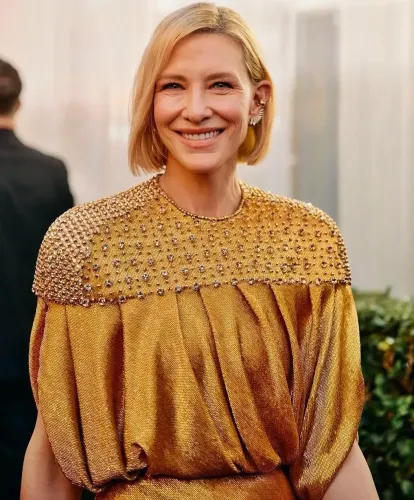
Cate Blanchett said the #MeToo movement ‘got killed very quickly’ during a talk at Cannes Film Festival 2026 .
She described typical film sets as having 10 women to 75 men , saying the imbalance affects creative work.
Blanchett had led a women’s march at Cannes 2018 as jury president alongside Kristen Stewart , Lea Seydoux , and others.
Julianne Moore recalled a film set where the only women present were herself and the third assistant camera operator.
Both actresses argued that gender representation in film crews, while slightly improved, remains far from equal.
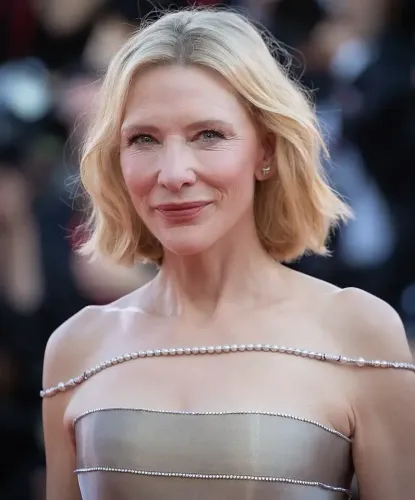
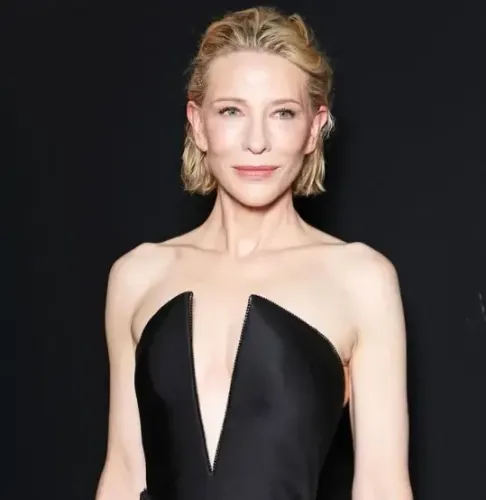
Hollywood actress Cate Blanchett has said the #MeToo movement deserved far more time to take root, lamenting at the Cannes Film Festival 2026 that a reckoning which exposed systemic abuse across industries was cut short before it could drive lasting change. Speaking during a talk with moderator Didier Allouch, Blanchett argued that the movement's premature end left the underlying problem unsolved.
What Blanchett Said
The two-time Oscar-winning actress did not mince words. “There are a lot of people with platforms who are able to speak up with relative safety and say this has happened to me, and the so-called average woman on the street is saying #MeToo. Why does that get shut down?” she said, according to Variety.
She added: “What (the movement) revealed is a systemic layer of abuse, not only in this industry but in all industries, and if you don’t identify a problem, you can’t solve the problem.”
The Gender Gap on Film Sets Today
Blanchett, who has worked continuously across major productions, said the power imbalance between men and women on film sets persists. “I’m still on film sets and I do the headcount every day, and it is still, you know… there’s 10 women and there’s 75 men every morning,” she said. She noted that homogeneous workplaces affect not just morale but the quality of the creative work itself.
Blanchett notably served as Cannes jury president in 2018, at the height of the #MeToo wave, and led a high-profile women’s march on the steps of the Palais des Festivals, walking hand-in-hand with Kristen Stewart, Lea Seydoux, Ava DuVernay, Agnes Varda, and others. That image became one of the defining moments of that festival year.
Julianne Moore Echoes the Concern
Blanchett was not alone in raising the alarm at Cannes. Oscar-winning actress Julianne Moore, speaking at the Kering Women in Motion Talk, recalled a set where “the only women were me and the third AC.”
“It’s when Hillary Clinton lost the election, and we were both devastated. And I said, ‘Look around the room. We’re the only ones here,’” Moore said. She acknowledged incremental progress — “I’ve certainly seen more gender representation in crews” — but stressed that parity remains a distant goal.
Why This Moment Matters
The remarks at Cannes 2026 arrive nearly a decade after the #MeToo movement reshaped public discourse around workplace harassment. Critics argue that institutional momentum stalled as legal battles dragged on and media attention shifted. Blanchett’s framing — that the movement was “killed very quickly” — reflects a growing sentiment among industry insiders that structural reform never matched the volume of initial disclosures.
With both Blanchett and Moore speaking out at one of cinema’s most visible global platforms, the conversation around gender equity in film appears to be gaining renewed urgency heading into the festival’s second week.
Point of View
2026 sounds like a post-mortem. The festival circuit remains one of the few spaces where A-list women can speak this frankly without immediate commercial consequence, but the question is whether panel-level candour ever translates into hiring-room change. The industry has proven adept at absorbing critique without altering its power structures.
NationPress
3 Oct 2026
Frequently Asked Questions
What did Cate Blanchett say about the #MeToo movement at Cannes 2026?
Blanchett said the #MeToo movement ‘got killed very quickly’ before it could drive lasting change, arguing that it exposed systemic abuse across industries but was shut down before solutions could be implemented. She made the remarks during a talk with moderator Didier Allouch at the Cannes Film Festival 2026.
What gender imbalance did Cate Blanchett describe on film sets?
Blanchett said she still counts heads on set every day and typically finds around 10 women to 75 men each morning. She argued this homogeneity affects the tone and quality of creative work.
What was Cate Blanchett’s role at Cannes 2018?
Blanchett served as Cannes jury president in 2018, at the height of the #MeToo movement. She led a women’s march up the steps of the Palais des Festivals alongside Kristen Stewart, Lea Seydoux, Ava DuVernay, Agnes Varda, and others.
What did Julianne Moore say about gender representation at Cannes 2026?
Moore, speaking at the Kering Women in Motion Talk, recalled being on a film set where the only women present were herself and the third assistant camera operator. She acknowledged some improvement in crew diversity but said true parity has not been achieved.
Why does the #MeToo conversation at Cannes 2026 matter?
The remarks come nearly a decade after #MeToo first broke, with prominent actresses arguing that institutional momentum stalled and structural reform never matched the scale of initial disclosures. Speaking at one of cinema’s most visible global platforms gives the issue renewed international attention.