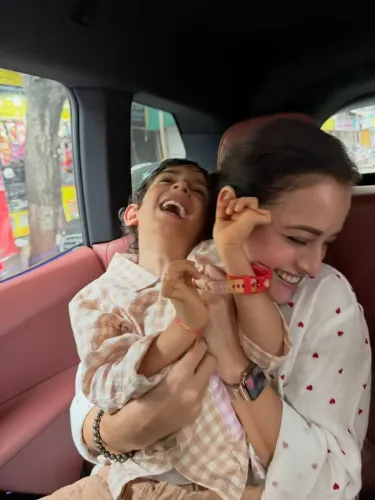
Dia Mirza on raising son Avyaan: 'Consent is not the absence of a no'
Synopsis
Dia Mirza is reframing parenting with unusual precision. Her insistence that consent means a willing and comfortable yes, not just the absence of a no, cuts through the noise. In a country still grappling with how to raise boys differently, her words land as both personal conviction and a public challenge to every parent raising a son.
Key Takeaways
Dia Mirza publicly shared her parenting philosophy on 30 September , focusing on values she instils in her son Avyaan Azaad Rekhi .
She defined consent as the presence of a willing and comfortable yes, not merely the absence of a no.
Dia stressed that children must learn to recognise subtle signs of discomfort and respect personal boundaries, not just verbal refusals.
She called on all parents raising sons to take responsibility for building a safer and more equitable world for girls .
She shared the message: Don't raise girls to avoid harm.
Raise boys who won't cause harm.
Dia Mirza is mother to Avyaan Azaad Rekhi and stepdaughter Samaira Rekhi , both connected to husband Vaibhav Rekhi .
Bollywood actress and environmentalist Dia Mirza has spoken candidly about the values she is actively instilling in her son, Avyaan Azaad Rekhi, emphasising empathy, kindness, respect for personal boundaries, and a nuanced understanding of consent from an early age. Her remarks, shared publicly on 30 September, have resonated widely amid ongoing national conversations about gender safety and responsible parenting.
What Dia Said About Everyday Parenting
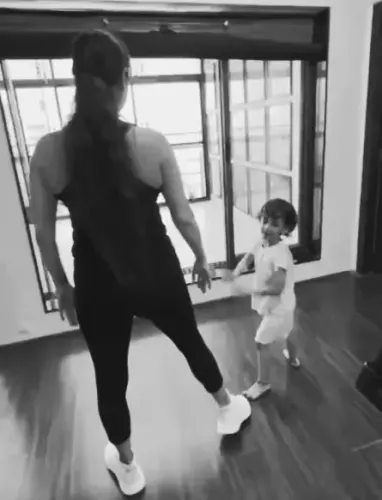
'Every single day, I strive to teach my son the value of care, respect, empathy and kindness towards all,' the actress said. Known for her roles in films such as Rehnaa Hai Terre Dil Mein and her sustained advocacy for environmental causes, Dia Mirza has increasingly used her public platform to champion progressive parenting conversations.
She stressed that such values are not abstract ideals but require deliberate, daily reinforcement. Her focus, she explained, is on equipping Avyaan with the emotional intelligence to navigate relationships respectfully, long before he encounters situations that test those instincts.
On Teaching Consent Beyond the Word No
Dia argued that teaching consent must go deeper than simply recognising a verbal refusal. 'That means helping him understand how to respond to rejection, respect boundaries, and recognize and honour even the subtle ways in which a person may convey discomfort,' she said.
She was equally direct about what consent actually means in practice. 'I want him to understand that consent is not merely the absence of a no; it is the presence of a willing and comfortable yes,' she added. This framing reflects a standard increasingly advocated by child psychologists and gender educators.
On Rejection and Entitlement
The actress also addressed the question of entitlement, a theme she considers central to raising boys who respect others. She said she wants her son to internalise 'that no one owes him their attention, affection, or intimacy, and that rejection is neither an insult nor something to be challenged, negotiated, or taken personally.'
This comes amid a broader cultural reckoning in India around toxic masculinity and the socialisation of boys, with educators and child development experts increasingly calling for consent and boundary education to begin in early childhood rather than adolescence.
The Broader Message for Parents
Dia Mirza framed these efforts not as a personal choice but as a collective responsibility. 'This is something every parent raising a son must strive for today. Only then can we build a world that is safer, more equitable, and healthier for our girls,' she said.
She also shared an image carrying the message: 'Don't raise girls to avoid harm. Raise boys who won't cause harm,' a sentiment that has gained traction in parenting and gender-advocacy circles globally.
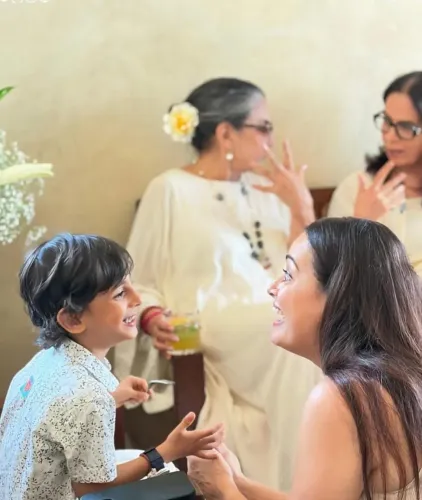
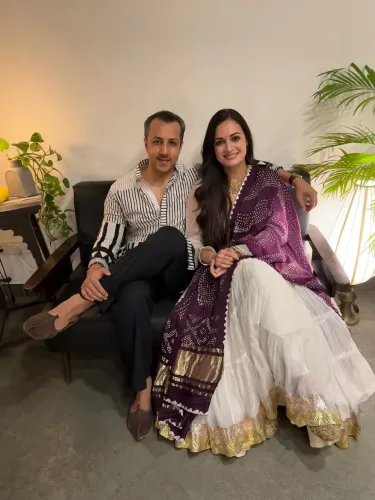
Notably, Dia is a mother to two children: her biological son, Avyaan Azaad Rekhi, and her stepdaughter, Samaira Rekhi, both connected to her husband, businessman Vaibhav Rekhi. Samaira is Vaibhav Rekhi's daughter from a previous marriage. The actress's parenting philosophy, as she describes it, applies equally to both children.
As conversations around gender equity and child safety continue to grow in public discourse, Dia Mirza's articulation of conscious parenting is likely to keep drawing attention and, for many, serve as a practical starting point.
Point of View
Rejection, and the difference between passive and active consent. That precision mirrors what child development research actually recommends. What mainstream coverage tends to miss is the structural point in her closing line: the burden of safety cannot keep falling on girls. Whether this translates into wider cultural change depends on whether such conversations move beyond English-speaking urban social media into school curricula and vernacular public discourse, where the real shift needs to happen.
NationPress
30 Sept 2026
Frequently Asked Questions
What values is Dia Mirza teaching her son Avyaan?
Dia Mirza says she teaches her son Avyaan Azaad Rekhi the values of care, respect, empathy, and kindness every day. She specifically focuses on helping him understand consent, personal boundaries, and how to respond to rejection without entitlement.
What did Dia Mirza say about consent?
Dia Mirza said that consent is not merely the absence of a no but the presence of a willing and comfortable yes. She also stressed the importance of recognising subtle signs of discomfort, not just verbal refusals.
Who are Dia Mirza's children?
Dia Mirza is mother to two children: her biological son Avyaan Azaad Rekhi, and her stepdaughter Samaira Rekhi. Both are part of her family with husband and businessman Vaibhav Rekhi; Samaira is Vaibhav's daughter from a previous marriage.
Why did Dia Mirza's parenting message draw attention?
Her remarks resonated because they went beyond generic advice, specifically addressing how boys should understand consent, handle rejection, and avoid entitlement, themes central to ongoing debates about gender safety in India.
What image did Dia Mirza share alongside her statement?
Dia Mirza shared an image carrying the message: Don't raise girls to avoid harm. Raise boys who won't cause harm. The message has gained wide traction in parenting and gender-advocacy conversations.